Description
If you are looking for the best things to do with kids in County Armagh, this distinctive cultural museum offers a fascinating look into the history and people of the region. Housed inside a striking 19th-century schoolhouse overlooking the city’s historic Georgian Mall, it stands as the oldest county museum in Ireland. It provides school-aged children and teenagers with an enriching educational experience, connecting prehistoric archaeology with fine art and local folklore.
Standard admission to the museum galleries and all permanent exhibitions is completely free of charge for all families and visitors. There are no ticketing costs or entry fees required to explore the historic collections, making it a budget-friendly destination for an afternoon out.
If you are looking for the best place for a day out with family and kids, this historic venue balances local heritage with fascinating physical artefacts. The combination of filled display cabinets, unique costume collections, military uniforms, and ancient folklore exhibits ensures that parents and children can discover history at their own pace. It provides a welcoming environment that encourages young minds to explore centuries of local stories.
Features
- Free
- Host birthday parties: No
Features
Key Features
- Educational Day Out: Discover centuries of local human history, ranging from ancient hunter-gatherers to the transport links of the Victorian era.
- Sensory Learning Environments: View authentic historical costumes, original military uniforms, and intricate straw-work masks from past centuries.
- Interactive Exploration: Walk through the specialized thematic cabinets to spot ancient silver treasure hoards, prehistoric pottery, and traditional folk crafts.
Detailed Highlights
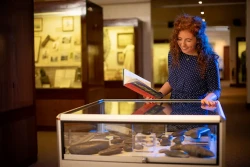
- The Costume & Uniform Collection: The museum features an extensive array of historical clothing that stands out as a core highlight. Kids can inspect elegant ladies' wedding dresses, everyday wear from the middle classes, and authentic garrison military uniforms from the North Irish Horse and local militias.
- The Prehistoric Pottery & Flints: Budding archaeologists can explore an array of ancient tools and earthenware that trace back thousands of years. The display includes large decorated vessels and tiny ceremonial pots that offer a glimpse into the daily life and rituals of early settlers.
- The Folkcraft & Straw-Work Display: This cabinet evokes a traditional rural landscape where practical everyday items were carefully crafted out of straw. Children can examine ancient harvest knots, traditional horse collars, and an authentic old mummer's straw mask.
- The Fine Art Galleries: The building holds an impressive art collection including works by many famous Irish creators. The collection features one of the largest archives of paintings by George William Russell, alongside treasured regional landscapes like John Luke's iconic painting of the Old Callan Bridge.
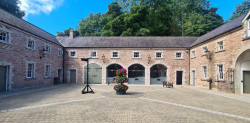
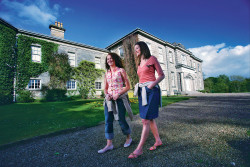
- The Historic Neo-Classical Building: The museum building itself is an architectural landmark, having originally opened as a schoolhouse in the 1850s. Families can admire its classic facade before stepping inside to see where the historic Natural History and Philosophical Society first gathered their collection.
Specific Named Displays & Sub-Exhibits
- The Tynan Hoard: A precious collection of five ancient silver bracelets and a flat metal strip discovered on a local estate over a century ago.
- The Grievous Return Plaque: A commemorative memorial plaque created shortly after the tragic Armagh railway disaster of 1889.
- The Page-Boy Silk Outfit: An outstanding historic silk costume worn by the young James Du Pre Alexander during an official installation ceremony.
- The Armagh Rhymer Model: A life-size model of a traditional local folk performer greeting visitors within the reception space.
- The Neolithic Polished Stone Axes: Massive, finished stone tools used by early hunter-gatherers to clear local forests thousands of years ago.
- The Bog Butter Methers: Two ancient wooden drinking vessels retrieved from regional peat bogs containing preserved, waxy white substance.



 0.30 miles