Carlow Castle

Description

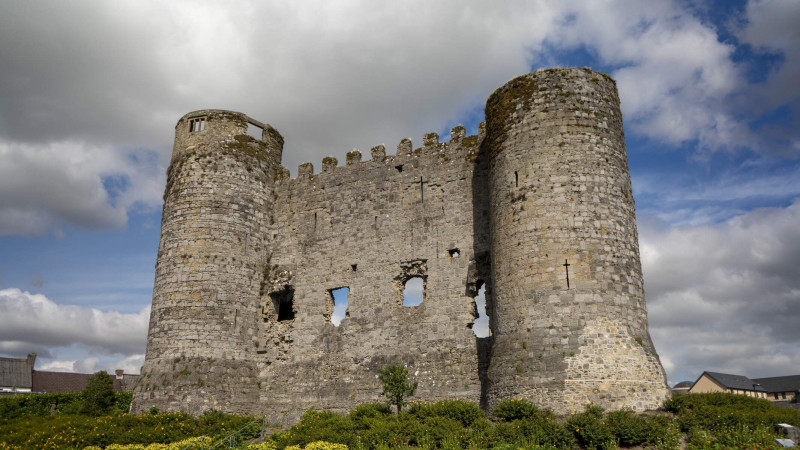
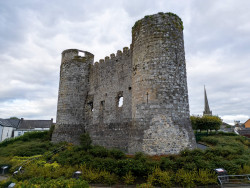
Carlow Castle is an impressive early 13th-century Norman fortress situated at the strategic meeting point of the Rivers Barrow and Burren in the middle of Carlow town. It provides a quick, educational open-air day out and stands out as one of the most prominent historical things to do with kids in Carlow, introducing families to the architectural legacy of Anglo-Norman knights. The ancient site features two surviving cylindrical towers and an intervening stone wall that bring the dramatic tales of medieval strongholds, regional battles, and an accidental 19th-century explosion to life.

Admission to this state-owned National Monument is completely free for all adults, children, and families, making it a perfect budget-friendly outdoor pitstop. There are no paid entry gates, exhibition tickets, or spectator fees required to explore the grounds. Families can freely walk around the perimeter paths and view the striking ruins at their own leisure during opening hours without any pre-booked slots.

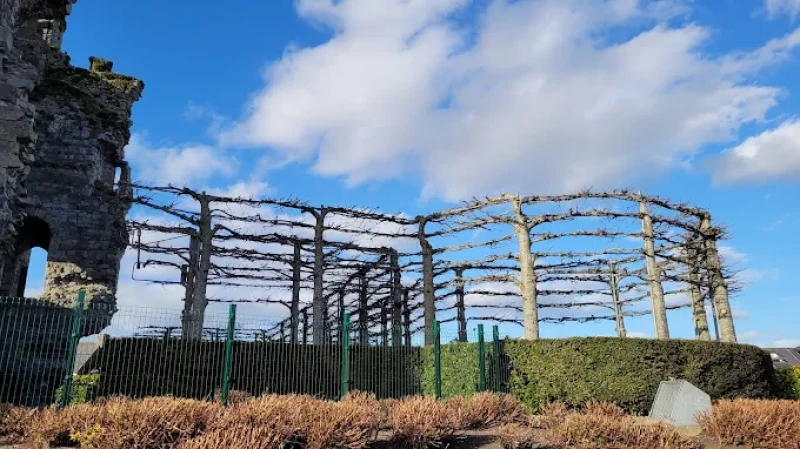
If you are looking for a quick day out with family and kids that combines open-air exploration, local town walking, and deep historical roots, this Norman keep is a fantastic choice. It beautifully balances centuries-old military heritage with a clever modern layout where the Office of Public Works has planted trees to trace the footprints of the original walls. Parents will appreciate the easy urban access, the educational sign boards, and the chance to show children a real medieval castle standing proudly in a modern town centre.

Features

  • Free
  • Host birthday parties: No

Features

Features

  • Educational Day Out: The historic site allows children to visually connect historical timelines, tracing how the fort shifted from a 13th-century military centre to the late 14th-century home of the Irish Exchequer.
  • Interactive Exhibits: The outdoor perimeter trail features several descriptive information boards and illustrative drawings that provide children with an unguided learning experience.
  • Sensory Play: The manicured garden setting offers a calm sensory experience, featuring local birds nesting in the ancient masonry and a green lawn layout.

Detailed Highlights

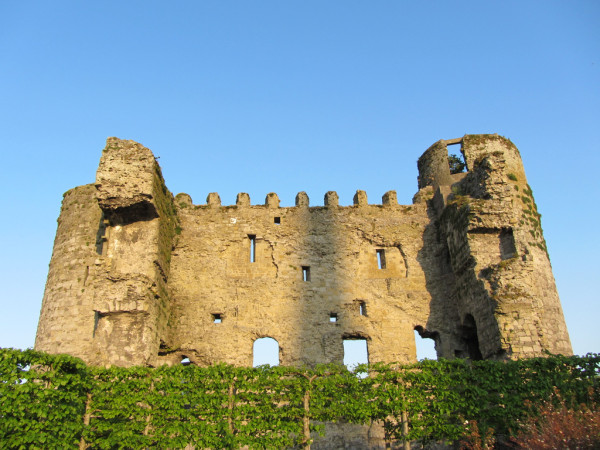
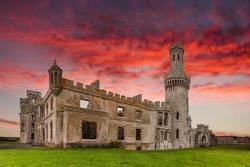
  • The Two Surviving Towers: The primary features of the site are two towering cylindrical drum towers standing on the western side. Kids can look up at their massive scale to see how medieval builders constructed impenetrable barriers.
  • The Clever Tree-Lined Footprint: The Office of Public Works has utilized professional landscaping to plant trees directly along the footprints where the missing eastern walls once stood. This creative touch helps children easily visualize the castle's original rectangular shape.
  • The Exploded Masonry Story: The eastern half of the castle was famously blown to pieces in 1814 by a local physician named Dr Middleton. He foolishly used blasting powder to create space for a lunatic asylum, creating a wild historical tale that instantly hooks the imaginations of older children.
  • The 2.7-Metre-Thick Walls: The remaining structural walls are an incredible 2.7 metres thick and rise from a wide, battered plinth base. It shows kids the immense manual labor required to protect ancient inhabitants.
  • The Cross-Shaped Arrow Slits: Cut straight into the heavy limestone blocks are classic medieval cross-shaped arrow loops. These defensive windows show kids how archers targeted incoming enemies while staying completely safe inside the fort.

Detailed Inventory

  • The Four-Towered Keep Layout: The architectural blueprint attributed to William Marshal, "the greatest knight that ever lived," mirroring designs found in western France.
  • The West Wall and Towers: The sole surviving stone elements left standing after the disastrous 1814 renovation project.
  • The Original First-Floor Entrance Base: The historic north wall zone where the main entry door was originally built high above ground level for safety.
  • The Internal Stone Staircase Shafts: Traces of medieval stone stairs built straight inside the thick walls to grant soldiers access to the roof.
  • The Late 14th-Century Third Storey Footprint: Structural additions built to house the administrative clerks of the ancient Irish Exchequer.
  • The Rivers Barrow and Burren Confluence: The natural river meeting point visible right beside the castle field that provided the fortress with its prime defense strategy.

Facilities

  • Buggy Parking & Accessibility: There is no dedicated indoor pram storage area at this outdoor monument. The site features smooth pedestrian walking paths surrounding the ruins, making it fully accessible for pushing prams and buggies.
  • Lockers: There are no storage lockers or bag check desks available at this open-air location. Families should leave large bags inside their vehicles.
  • Food Options: There are no commercial food stalls or cafes located inside the fenced castle green. Since the site sits right near the town centre, families are a short walk from a great selection of local bakeries, family restaurants, and traditional lunch spots.

What to see

What Visitors Love

  • The complete lack of entry fees makes it an excellent, zero-cost educational stopover right in the heart of town.
  • The creative use of trees to frame out the missing walls is widely praised for helping kids understand how large the castle used to be.
  • The wild story of the local doctor accidentally blowing up the fortress never fails to amuse and interest older kids.
  • The well-maintained garden path provides an easy, clean, and pram-friendly loop around the monument.

What Visitors Don't Like

  • The site is relatively small and can be fully explored in under 30 minutes, meaning it works best when paired with other nearby local attractions.
  • Finding an empty parking spot directly outside on the town streets can sometimes be tricky during peak hours.

Targeted FAQ

  • Is Carlow Castle worth it for toddlers?: Yes, it is worth a brief 15-minute stop because the flat, well-kept paved path is completely buggy-friendly and easy for toddlers to stretch their legs. While the detailed Norman history will be too advanced for them, they will enjoy looking at the birds nesting high in the old towers.
  • How long does a visit to the castle take?: A standard family visit takes between 15 and 30 minutes, making it a quick and easy outdoor historic stop to capture photos and read the information boards before heading into town.
  • Where is the best place to park for the castle?: The best option is to utilize the public parking spaces located right in front of the castle on Castle Hill, or use the large public car parks situated a short walk away in the town centre.

Price

Price: Free

Birthday Parties

Offer Birthday Parties: No

  • Monday to Friday: Open during daytime hours, typically accessible weekdays only.
  • Seasonal Access: Open all year round, though daylight visits are recommended as the exterior lawns do not have extensive nighttime spot lighting.

Address: Carlow Castle, Castle Hill, Carlow, Ireland

Post Code: R93 FT97

Council: Carlow County Counci

County: Carlow County

  • By Train & Bus: Carlow Train Station is situated 885 metres away, and the main Carlow Town Bus Station is a short 430-metre walk from the site, providing very easy options for public transport.
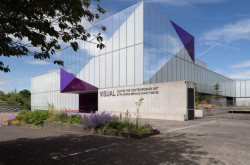
  • By Car & Parking: Located at 7 Castle Hill near the centre of Carlow Town. While there is no private asphalt car park built specifically inside the castle gate, free and paid public parking spaces are available directly in front of the castle on Castle Hill or at the nearby VISUAL Carlow and Kennedy Street car parks. From these parking spots, families can safely enter the pedestrian gates to access the flat, paved garden paths that lead straight around the towers.

0

0 Reviews

Rating breakdown

5
80% Complete (danger)
0
4
80% Complete (danger)
0
3
80% Complete (danger)
0
2
80% Complete (danger)
0
1
80% Complete (danger)
0

Get the best blog stories into your inbox!