Clonkeen Church

Clonkeen Church, Clonkeen, Lodge, County Limerick, Ireland
1-90 Years

Description

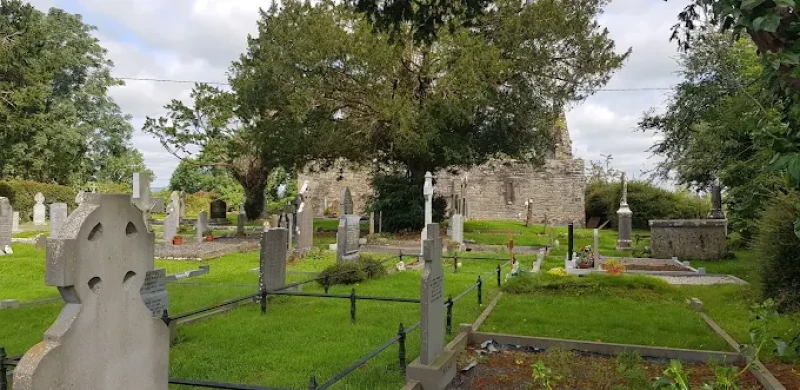
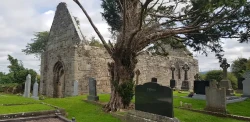
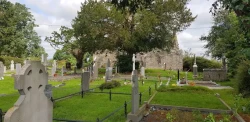
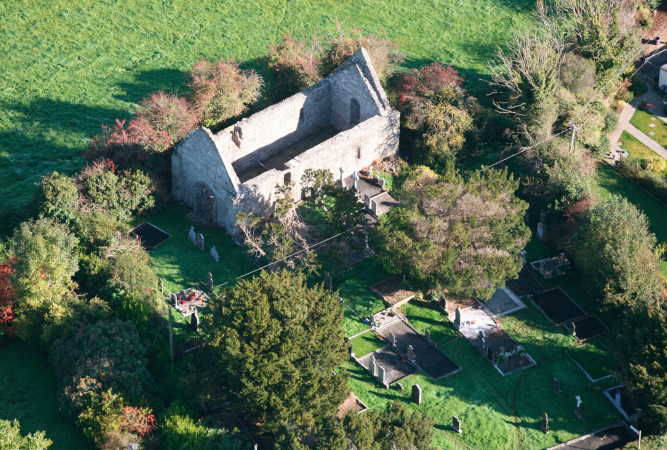
Clonkeen Church is an evocative, historic mid-12th-century medieval sanctuary standing on the R506 road between Annacotty and Murroe in County Limerick. Providing an educational, open-air day out, it ranks among the most fascinating historical things to do with kids in Limerick, offering an authentic glimpse into Ireland's ancient monastic roots. The protected National Monument features standing roofless ruins, an active burial ground, and a stunningly carved Romanesque stone entrance that brings early Christian craftsmanship to life.

Admission to this state-owned national monument is completely free for all adults, children, and families, making it an exceptional budget-friendly heritage discovery. Managed by the Office of Public Works (OPW), there are no commercial ticketing kiosks, admission booths, or pre-booked arrival time slots required to step inside the grounds. Families can simply pull up, walk through the boundary gate, and examine the centuries-old sandstone masonry entirely at their own leisure.

If you are looking for an authentic spot for a family day out that combines early Christian history, peaceful rural scenery, and exceptional architectural design, this churchyard is a wonderful choice. It beautifully pairs a quiet, uncrowded atmosphere with convenient roadside access where kids can safely explore an ancient sacred footprint. Parents will appreciate the high educational value, the short walking distances for little legs, and the lack of commercial crowds.

Features

  • Free
  • Host birthday parties: No

Features

Features

  • Educational Day Out: The historic site allows children to visually connect distinct historical timelines, tracing the ruins from their 6th-century monastic foundation to their 12th-century Romanesque reconstruction.
  • Interactive Exhibits: The unguided, open-air layout provides children with an interactive opportunity to inspect distinct stone materials and see where early builders switched from sandstone to limestone.
  • Sensory Play: Set within an undulating rural pasture, the peaceful graveyard offers excellent sensory stimulation, surrounding kids with whispering winds, singing birds, and heavily textured stone carvings.

Detailed Highlights

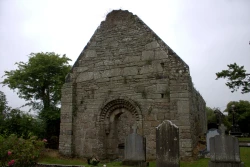
  • The Intricate Romanesque Doorway: Piercing the west gable end is a spectacular, beautifully preserved 12th-century arched stone entrance featuring three distinct decorative orders. It is carved with detailed leaf foliage motifs, octagonal shafts, and rows of raised stone beading that immediately catch a child's eye.
  • The Carved Apex Human Head: Positioned right at the center point of the main entrance arch is a heavily worn, ancient stone carving of a human head. It acts as a great focal point for a quick children's visual treasure hunt as they approach the building.
  • The Guardian Beast Label Stops: Flanking either side of the majestic entrance arch are two weathered stone carvings shaped like animal heads. These historic features show children how medieval craftsmen added animal imagery to guard their sacred spaces.
  • The Dual-Phase Masonry Walls: The standing stone side walls display a clear visual change in construction techniques and building blocks right midway along the fabric. It allows kids to see where original sandstone blocks meet later medieval limestone patches.
  • The 15th-Century Gothic Windows: Built directly into the south and east walls are elegant, pointed stone window frames that indicate a major architectural remodeling phase. They demonstrate how later medieval builders modified the 12th-century structure to bring in focused rays of light.

Detailed Inventory

  • The 6th-Century Foundation Site: The original sacred clearing established by Saint Mo-Diomog during the golden age of Irish monasticism.
  • The 14.6-Metre Sandstone Nave: The rectangular interior floor footprint measuring exactly 14.6 metres by 5.5 metres where ancient congregations assembled.
  • The Three-Order Entrance Archway: The multi-layered stone doorway frame heavily inspired by the famous 1158 architecture of Aghadoe Cathedral in County Kerry.
  • The Left-Side Octagonal Shaft Fragment: The surviving lower portion of the northern door jamb, showing centuries of weathering and historic exposure.
  • The Right-Side Chevron Pattern Banding: The southern entrance shaft which remains in pristine condition, carved with alternating rows of chevrons and raised stone beads.
  • The Active Community Graveyard: The surrounding cemetery footprint that has been used continuously for local burials for hundreds of years.
  • The Historic Environment Viewer Plot: The officially logged state archaeological marker identifying the site as a strictly protected national monument.

Facilities

  • Toilets: There are no public restrooms or baby-changing cubicles available inside this unguided, rural monument field. Clean public toilets and amenities can be found a short drive away inside the local shops and family diners of Murroe village or Annacotty.
  • Buggy Parking & Accessibility: There is no indoor stroller storage or paved parking facility on site. While the ruin sits close to the R506 road, pushing a pram through the uneven grassy graveyard paths, stone stiles, and historic turf can be highly difficult, making a comfortable baby carrier the ideal option.
  • Lockers: No secure cloaking counters or storage lockers are provided at these open ruins. Families should travel with light, wearable daypacks.
  • Food Options: There are no commercial food stalls or cafes directly at the churchyard. Families can bring an outdoor snack to enjoy on the grass or travel 4.4 kilometres into Murroe village to enjoy local deli counters, traditional pubs, and local grocery options.

What to see

What Visitors Love

  • Completely free entry makes it a superb, zero-cost historical pitstop while driving across County Limerick.
  • The spectacular Romanesque doorway is remarkably intact and provides a stunning backdrop for family photographs.
  • Its compact size is perfect for young kids, allowing them to explore an authentic castle-like stone ruin without getting overtired.
  • The clear mix of sandstone and limestone acts as a fantastic real-world science and history lesson for school-aged children.

What Visitors Don't Like

  • The lack of an on-site shelter or information centre means a sudden downpour will quickly cut your outdoor visit short.
  • There are no dedicated public parking bays, requiring cautious roadside positioning along a fast-moving regional road.

Targeted FAQ

  • Is Clonkeen Church worth it for toddlers?: Yes, for a very quick 15-minute leg-stretch while on a family road trip. However, because it is an active graveyard with ancient uneven stones, tight hand-holding or using a secure baby carrier is highly recommended.
  • How long does a visit to the church ruins take?: A standard family walk around the exterior walls and inside the roofless nave takes between 20 and 30 minutes, making it an ideal historic pitstop.
  • Where is the best place to park for Clonkeen Church?: The only option is to park closely along the grass verge or hard shoulder directly outside the main graveyard boundary wall on the R506 road, ensuring you check for oncoming traffic before letting children out.

Price

Price: Free

Birthday Parties

Offer Birthday Parties: No

  • Monday to Sunday: Open 24 hours daily
  • Seasonal Details: Accessible all year round during daylight hours. Visiting after dark is strongly discouraged because the unguided stone ruins, low graves, and uneven turf pathways are completely unlit.

Address: Clonkeen Church, Clonkeen, Lodge, County Limerick, Ireland

Post Code: V94

Council: Limerick City and Co

County: County Limerick

  • By Car & Parking: From Limerick City, drive east along the main Dublin road toward Annacotty, then take the R506 regional road heading toward Murroe. Keep driving for a few minutes past Barrington's Bridge; the ancient stone churchyard will appear directly on your right-hand side. Park carefully on the wide grass verge or hard shoulder situated directly outside the main graveyard iron entrance gate, ensuring your vehicle is fully clear of the active driving lane.
  • By Bus: Take a regional bus service from Limerick City Centre directly to Murroe Village Main Street. From the village, the ruins are located roughly 4.4 kilometres back to the west, requiring a short local taxi trip or a connected family drive down the R506.

0

0 Reviews

Rating breakdown

5
80% Complete (danger)
0
4
80% Complete (danger)
0
3
80% Complete (danger)
0
2
80% Complete (danger)
0
1
80% Complete (danger)
0

Get the best blog stories into your inbox!