Corcomroe Abbey

Corcomroe Abbey, Abbey West, County Clare, Ireland
1-90 Years

Description

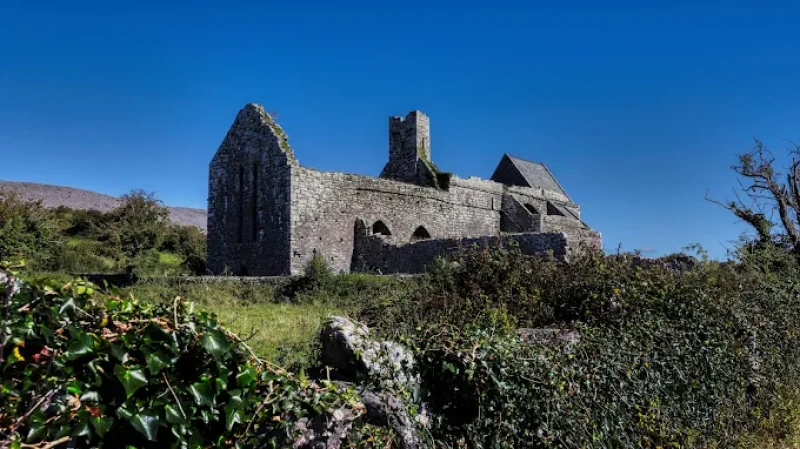
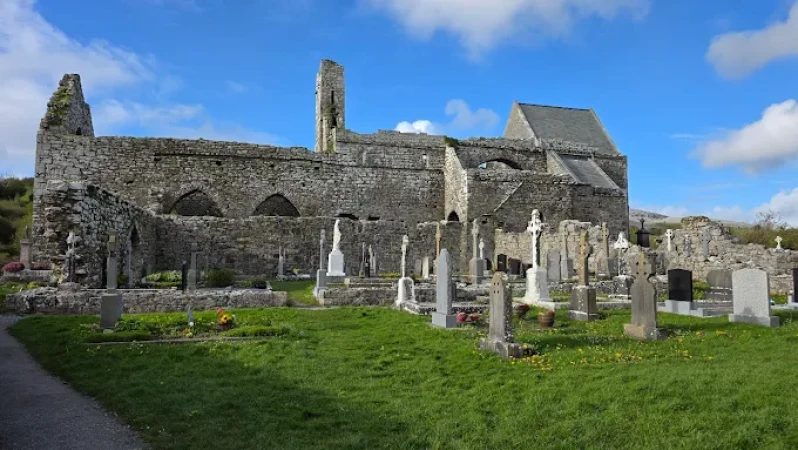
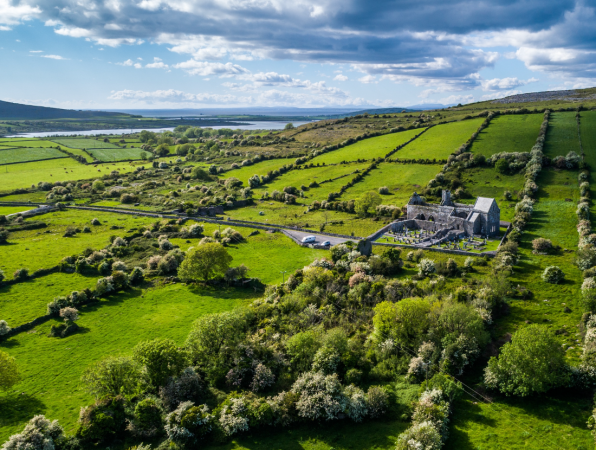
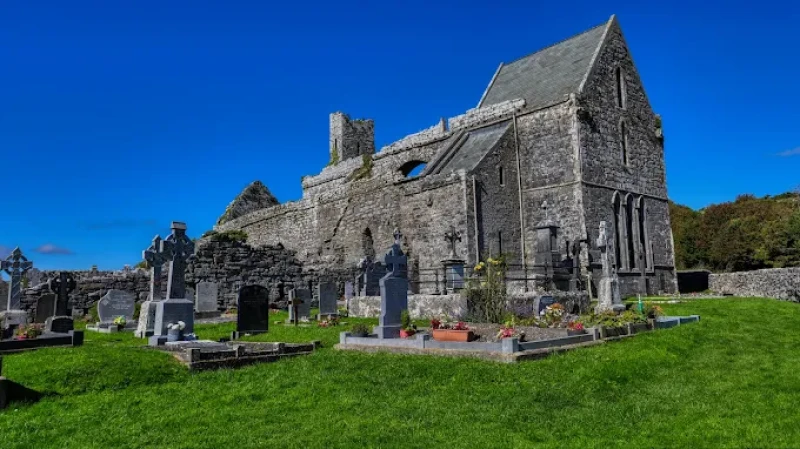
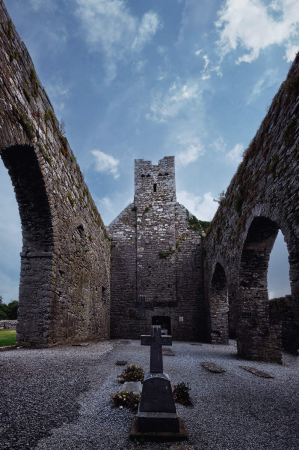
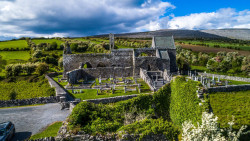
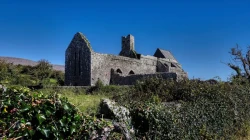
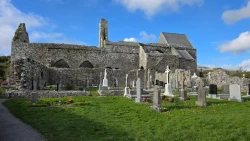
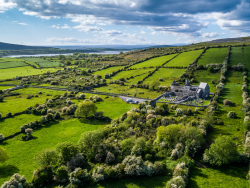
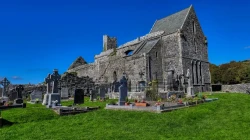
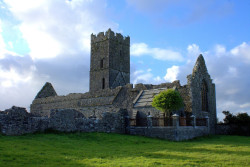
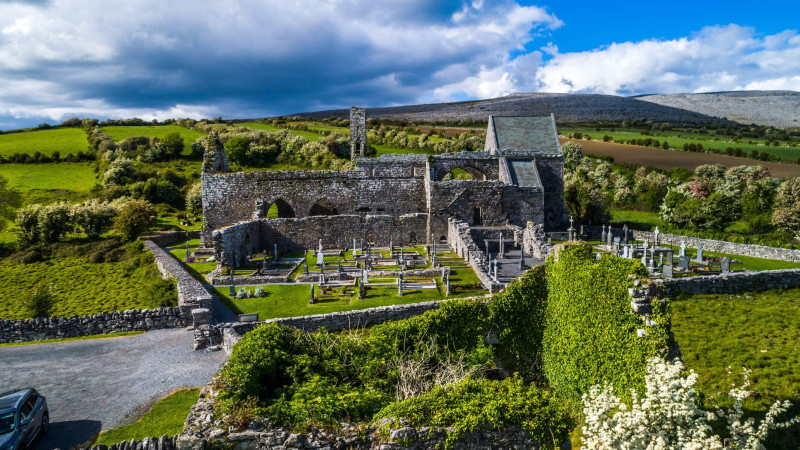
Corcomroe Abbey is an evocative, historic 12th-century Cistercian sanctuary sitting in a quiet, green hollow surrounded by the striking limestone hills of the Burren in County Clare. Providing an educational, open-air day out, it ranks among the most fascinating historical things to do with kids in Clare, offering families a direct window into medieval monastic life. The protected National Monument features remarkably intact church walls, an active community burial ground, a ruined gatehouse, and exquisite stone carvings that bring ancient craftsmanship to life.

Admission to this state-owned national monument is completely free for all adults, children, and family groups, serving as an exceptional budget-friendly heritage discovery. Managed by the Office of Public Works (OPW), there are no commercial ticketing kiosks, admission booths, or pre-booked arrival time slots required to step inside the grounds. Families can simply pull up, walk through the open precinct gateway, and examine the centuries-old limestone masonry entirely at their own leisure.

If you are looking for an authentic spot for a family day out that combines early Gaelic history, dramatic karst scenery, and exceptional architectural design, this abbey ruin is a wonderful choice. It beautifully pairs a quiet, uncrowded atmosphere with convenient walking access where kids can safely explore an ancient sacred footprint. Parents will appreciate the high educational value, the short walking distances for little legs, and the lack of commercial crowds.

Features

  • Free
  • Host birthday parties: No

Features

Features

  • Educational Day Out: The historic site allows children to visually connect distinct historical timelines, tracing the ruins from their 1194 Cistercian foundation to their 15th-century remodeling phases.
  • Interactive Exhibits: The unguided, open-air layout provides children with an interactive opportunity to hunt for historic masons' marks and touch masterfully carved stone columns.
  • Sensory Play: Set within an undulating rural pasture, the peaceful churchyard offers excellent sensory stimulation, surrounding kids with whispering valley winds, singing birds, and heavily textured limestone details.

Detailed Highlights

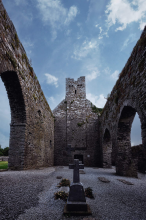
  • The Unique Ribbon-Vaulted Ceiling: Spanning the eastern sanctuary choir is a spectacular, beautifully preserved ribbed stone ceiling featuring an unusual herringbone design. It is highly uncommon in Ireland and immediately catches a child's eye when looking up at the sky.
  • The Intricate Botanical Capitals: Supporting the crossing arches are majestic stone columns carved with detailed leaf foliage motifs. Kids can closely inspect carved representations of local poppies, lilies-of-the-valley, and lotus flowers worked directly into the rock face.
  • The Chieftain's Effigy Tomb: Positioned inside an arched recess in the north wall of the chancel lies the life-size limestone effigy of King Conor na Siudaine O'Brien. It acts as a great focal point for historical storytelling, showing kids one of the very few surviving contemporary carvings of an ancient Irish king wearing a crown.
  • The Hidden Human and Dragon Masks: Carved into the architectural fragments of the transept chapels are small, weathered human faces and mythical dragon heads. These historic features provide an excellent real-world treasure hunt for younger children as they explore the ruins.
  • The Austere Shortened Nave: The large, plain main room of the church displays clear evidence of 15th-century modifications, where the building was shortened by exactly 13 metres due to financial declines. It allows older kids to see how changing economic fortunes physically altered the layout of a grand monastery.

Detailed Inventory

  • The 1194 Monastic Foundation Site: The original sacred clearing established by King Donal Mór O'Brien during the golden age of Cistercian building expansion.
  • The Latin Title "Petra Fertilis": The official historic moniker meaning "St. Mary of the Fertile Rock," indicating how productive the valley was despite the stony Burren landscape.
  • The Elaborate Sedilia Wall Seat: A beautifully carved triple-recessed stone bench built into the southern chancel wall once used by officiating medieval clergy.
  • The Plaster Paint Traces: Small, surviving fragments of ancient plaster inside the sedilia that still hold faint traces of historical red pigments.
  • The Left-Side South Nave Aisle: The surviving stone pillars and arched footprints of the southern congregation layout which remains partially standing today.
  • The Historic Precinct Boundary Wall: The extensive remnants of a massive five-acre stone enclosure wall that originally defended the entire monastic compound.
  • The Active Community Graveyard: The surrounding cemetery footprint packed with modern and historical headstones that has been used continuously for local families for centuries.

Facilities

  • Toilets: There are no public restrooms or baby-changing cubicles available inside this unguided, rural monument site. Clean public toilets and amenities can be found a short drive away inside the local cafes and shops of Ballyvaughan or Bellharbour.
  • Buggy Parking & Accessibility: There is no indoor stroller storage or paved parking facility on site. While the ruin sits near a quiet local road, pushing a pram through the uneven grassy paths, stone thresholds, and surrounding gravel can be highly difficult, making a comfortable baby carrier the ideal option.
  • Lockers: No secure cloaking counters or storage lockers are provided at these open ruins. Families should travel with light, wearable daypacks.
  • Food Options: There are no commercial food stalls or cafes directly at the abbey. Families can bring an outdoor snack to enjoy on the grass verges or travel into nearby villages to enjoy traditional delis and local grocery options.

What to see

What Visitors Love

  • Completely free entry and free parking make it a superb, zero-cost historical pitstop while driving across County Clare.
  • The spectacular rib-vaulted ceiling and stone carvings are remarkably intact and provide a stunning backdrop for family photographs.
  • Its compact size is perfect for young kids, allowing them to explore an authentic castle-like stone ruin without getting overtired.
  • The ancient legends about the O'Brien chieftains act as a fantastic real-world history lesson for school-aged children.

What Visitors Don't Like

  • The lack of an on-site visitor center or indoor shelter means a sudden downpour will quickly cut your outdoor visit short.
  • The active nature of the graveyard requires children to be kept calm and respectful around local burial plots.

Targeted FAQ

  • Is Corcomroe Abbey worth it for toddlers?: Yes, for a very quick 20-minute leg-stretch in a quiet, open space. However, because it is an active graveyard with ancient uneven limestone, tight hand-holding or using a secure baby carrier is highly recommended.
  • How long does a visit to the abbey ruins take?: A standard family walk around the exterior walls and inside the roofless chancel takes between 30 and 45 minutes, making it an ideal historic pitstop.
  • Where is the best place to park for Corcomroe Abbey?: The site features its own dedicated free parking lot located directly at the end of the narrow entry lane, keeping vehicles safely off the main local road.

Price

Price: Free

Birthday Parties

Offer Birthday Parties: No

  • Monday to Sunday: Open 24 hours daily
  • Seasonal Details: Accessible all year round during daylight hours. Visiting after dark is strongly discouraged because the unguided stone ruins, low grave markers, and uneven turf pathways are completely unlit.

Address: Corcomroe Abbey, Abbey West, County Clare, Ireland

Post Code: H91

Council: Clare County Council

County: County Clare

  • By Car & Parking: From Ballyvaughan, drive east along the main coastal N67 highway toward Bellharbour village, then turn right onto the local L1014 road heading inland. Keep driving for roughly 800 metres through the valley; the ancient stone abbey will appear clearly on your left-hand side. Park carefully in the dedicated free gravel parking area situated directly outside the access pathway.
  • By Bus: Take the regional Bus Éireann route 350 service (connecting Galway and Ennis) and disembark at the main Bellharbour stop. From the village stop, the ruins are located roughly 1.5 kilometres to the east along a quiet, narrow country lane, allowing a safe, straightforward family walk

0.00

0 Reviews

Rating breakdown

5
80% Complete (danger)
0
4
80% Complete (danger)
0
3
80% Complete (danger)
0
2
80% Complete (danger)
0
1
80% Complete (danger)
0

Get the best blog stories into your inbox!