Description
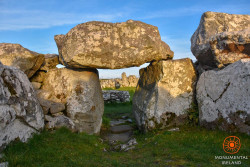
Creevykeel Court Tomb is an ancient megalithic monument that offers a fascinating window into Ireland's prehistoric past. Located in County Sligo, this beautifully preserved site provides an educational and evocative outdoor experience for families exploring the northwest coast. It stands as one of the finest examples of a court tomb in the entire country, making it a premier historic stop for curious young minds.
While entry to this heritage site is completely free, planning a full day out in the region with transport, food, and nearby attractions typically fits a budget of under £30 for a family. There are no tickets or booking fees required to access the monument, making it an affordable addition to your travel itinerary. Visitors can simply arrive and explore the historic structure at their own pace.
If you are looking for the best things to do with kids in County Sligo that combine history, fresh air, and legendary Irish folklore, this ancient site is an ideal choice. It allows children to walk through a structure built thousands of years ago, sparking their imagination far more than a classroom textbook ever could. The surrounding open landscape also provides a peaceful environment for a memorable family walk.
Features
- Free
- Host birthday parties: No
Features
Key Features
- Ancient Megalithic Architecture: An exceptionally well-preserved Neolithic structure dating back to 4000–2500 BC, featuring a massive open courtyard and burial chambers.
- Mythological Connections: A site deeply tied to local Irish folklore and legends, perfect for engaging children with stories of ancient civilisations and mythical figures.
- Educational Outdoor Trail: An excellent opportunity for historical discovery, allowing children to examine prehistoric engineering, large lintel stones, and early construction methods up close.
Site Highlights
- The Open Courtyard: The large, oval-shaped front court is the defining feature of the monument. Walking into this enclosed area gives families a sense of the scale of ancient communal gatherings. Children love standing in the centre of the courtyard, imagining the rituals and tribal meetings that took place here over four thousand years ago.
- The Burial Chambers: Directly beyond the courtyard lie the main stone-lined burial chambers. These structured rooms were originally covered by a massive mound of earth and smaller stones, known as a cairn. Peering into these ancient chambers helps children understand early human burial customs and prehistoric design.
- The Massive Lintel Stone: A highlight for any budding builder is the enormous stone lintel that sits above the entrance to the inner chambers. This structural marvel showcases the incredible strength and ingenuity of Neolithic people. It serves as a fantastic visual aid for parents discussing how early humans moved giant stones without modern machinery.
- The Post-Neolithic Kiln: Tucked within the structure is evidence of the site's long history, including a much later early Christian corn-drying kiln. This overlapping feature shows that the site was reused centuries after its original builders disappeared. It provides a great talking point about how different generations utilised the same historical landscape.
- The Surrounding Cairn Wall: The outer wall of the monument consists of a large, wedge-shaped pile of stones that stretches back from the entrance. Walking around the exterior perimeter allows families to appreciate the sheer volume of stone gathered by ancient communities to honor their dead.
Beyond the Main Attraction
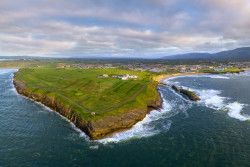
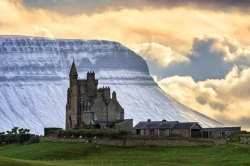
- Mullaghmore Head: Located just a 10-minute drive away, this dramatic coastline is famous for big-wave surfing, scenic walks, and views of Classiebawn Castle.
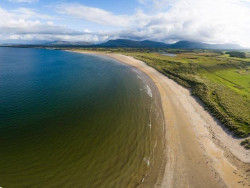
- Streedagh Beach: A stunning sandy beach nearby, perfect for a family stroll, building sandcastles, or exploring the coastline where ships from the Spanish Armada were wrecked in 1588.
- Benbulben Forest Walk: A short drive south leads to the foot of Sligo’s famous flat-topped mountain, offering accessible walking trails suitable for pushchairs and young hikers.



 7.63 miles