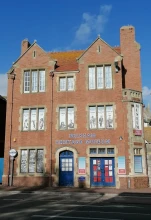
Dartmouth Museum

The Butterwalk, Duke Street, Dartmouth, Devon, TQ6 9PZ, England
1-90 Years
Paid

Description

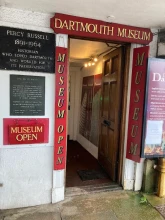
Dartmouth Museum is an award-winning, independent museum that packs centuries of maritime adventure and social history into a beautifully preserved setting. Housed inside part of the historic Butterwalk—a terrace of wealthy merchants' homes built around 1640—it offers a fascinating, multi-layered look into the town’s seafaring legacy. It is widely considered one of the best things to do in Dartmouth if you are looking for an educational hour or two that reveals how this small Devon port shaped world history.

Prices start from £5.00 for adults and £4.50 for concessions, while children under 16 gain free entry. A major benefit of visiting is the sheer depth of local knowledge contained within its walls, brought to life by an enthusiastic team of volunteer stewards who are always on hand to share quirky local anecdotes.

If you are looking for an engaging indoor activity in South Devon that combines maritime lore, wartime history, and architectural charm, Dartmouth Museum is a top-tier choice. It provides an atmospheric space where visitors can admire intricate ship models, explore a Victorian ironmonger's collection, or stand beneath a plaster ceiling unchanged since the King of England slept beneath it.

Features

  • Paid
  • Host birthday parties: No

Features

Key Features

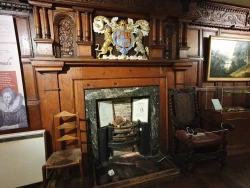
  • Historic Setting: Located inside a Grade I listed merchant's house dating back to 1640, featuring beautiful authentic architecture and classic plasterwork ceilings.
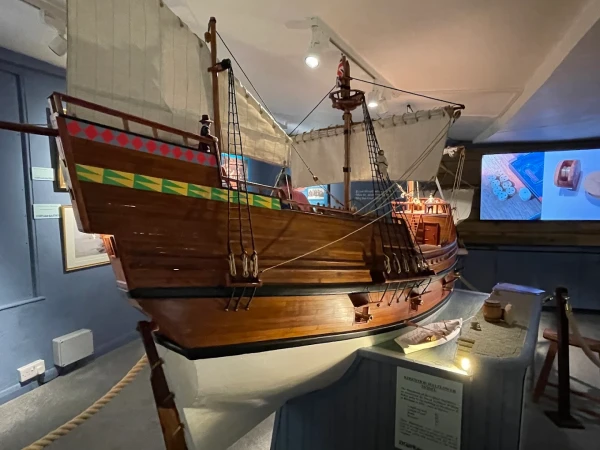
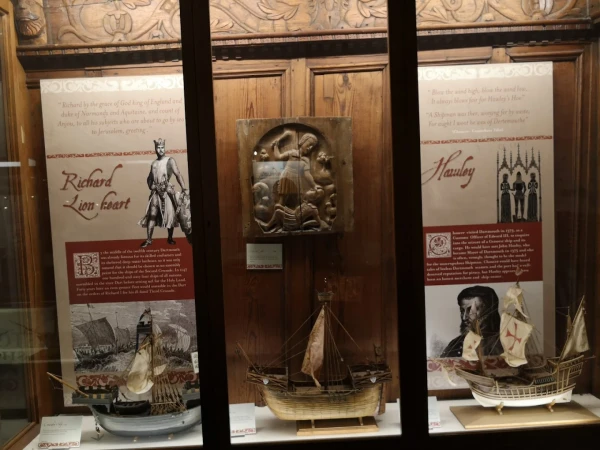
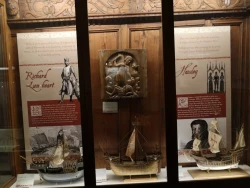
  • Maritime Treasures: Packed with intricate ship models, regional maritime artifacts, and deep historical accounts of local seafaring adventures.
  • Interactive Exhibits: Offers specialized hands-on displays, physical items, and educational resources designed to keep school-aged children engaged during their visit.
  • Local Inventions: Showcases the pioneering engineering feats of Thomas Newcomen, the local inventor who changed the world with his atmospheric steam engine.

Detailed What to See

  • The Maritime Room: Families can dive into Dartmouth's rich nautical legacy by exploring an extensive collection of historical ship models and artifacts. Children will love looking at the detailed craftsmanship of old sailing vessels while learning how this small port played a major role in global trade and naval history.
  • The Butterwalk Architecture: The building itself is an architectural wonder that brings the 17th century to life. Walking through rooms with beautifully preserved ornamental plaster ceilings, families get a true sense of how wealthy merchants lived during the English Civil War era.
  • The Thomas Newcomen Display: This exhibit introduces young minds to the birthplace of the industrial revolution by highlighting the work of Dartmouth-born engineer Thomas Newcomen. Kids can discover how his groundbreaking 1712 atmospheric steam engine design laid the foundation for modern mechanical engineering.
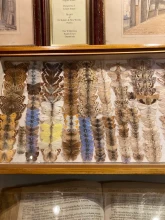
  • The Henley Collection: A fascinating sub-exhibit containing eclectic biological, archaeological, and local historical objects gathered over decades. It serves as a classic cabinet of curiosities that prompts plenty of questions and sparks natural curiosity in children.
  • Strategic Port & Wartime Exhibition: This gallery tracks Dartmouth’s strategic military importance through the centuries, including its vital role in the preparation for the D-Day landings during World War II. It features local relics and maps that help older children connect real-world history to the Devon coastline.

Facilities

  • Food & Drink: There is no on-site café, but the museum’s central town location means dozens of independent bakeries, tea rooms, and traditional pubs are right on your doorstep.
  • Gift Shop: A small souvenir shop at the entrance stocks a great selection of local history books, maritime gifts, and WWII pamphlets.
  • Accessibility Note: Because the museum is housed inside a protected 17th-century listed building, access is via a steep wooden staircase and there is no lift. Wheelchair access is unfortunately not possible, but a virtual DVD tour is available to view at the nearby public library.

Pro-Tips for Parents

  • Hunt for the Drawers: Keep kids engaged by telling them to look for the "Don't Forget to Open the Drawers" signs. Many exhibits feature hidden treasures, toys, and historical artifacts tucked away at child eye-level.
  • Check the Event Calendar: Look out for heritage weekends (such as the Coastal Forces events in May). During these community periods, the museum frequently waives admission fees entirely or runs special family-focused workshops.
  • Combine with a Boat Trip: Pair your museum visit with a trip on the Dartmouth Steam Railway or a ferry crossing to Kingswear to give children a real-world taste of the maritime history they just saw.

Frequently Asked Questions

  • Is Dartmouth Museum suitable for young children? While it is a traditional heritage museum rather than a modern play centre, it is highly welcoming to families. The Henley Study and various maritime rooms feature interactive "hidden treasure" drawers that children love opening, and the detailed ship models hold the attention of older kids easily.
  • How long do people usually spend at the museum? Most visitors spend between 1 and 2 hours exploring the rooms. Because it is centrally located on the high street, it is easy to slot into a wider afternoon itinerary of shopping and harbor walks.
  • Can I bring a pushchair into Dartmouth Museum? Due to the narrow layout of the 17th-century merchant house and the lack of an elevator, navigating pushchairs through the galleries is difficult. It is highly recommended to leave buggies at the lower entrance area or use a baby carrier for the upper floors.

The Visitor Verdict: What Parents Really Think
What Visitors Love

  • Superb Value: With tickets under a fiver for adults and completely free entry for kids, it is widely praised as one of the most affordable heritage sites in Devon.
  • Charming Volunteers: Regular praise is given to the volunteer stewards, who are noted for being incredibly welcoming, knowledgeable, and fantastic at storytelling.
  • Architectural Atmosphere: Visitors love the quirky feel of the building itself, noting that the uneven, sloping floors make you feel like you are walking on an old wooden ship.
  • Surprising Scale: Many comment that while it looks small from the street, the exhibits span multiple floors and hold far more detail than expected.

What Visitors Don't Like

  • Staircase Access Only: The lack of a lift or ramp is a frequent disappointment for those with heavy prams or limited mobility.
  • Town Parking Difficulties: Finding parking in central Dartmouth can be highly competitive during the peak summer months.
  • Compact Spaces: The historic rooms can feel a bit tight and crowded if multiple family groups arrive at the exact same time.

What to see

Detailed Inventory of Museum Collections

  • The Dawe Collection: A famous, specialized display of 26 highly intricate historic sailing ships built inside glass bottles.
  • The David Hulse Atmospheric Models: An award-winning series of eight precision scale operational models tracking the evolution of early mechanical engineering from Thomas Newcomen to Richard Trevithick.
  • The Tree of Jesse Plasterwork: An internationally significant, high-relief 17th-century plaster ceiling detailing the biblical lineage of Jesus Christ, safely preserved inside the museum's historic archive room.
  • The Rare Coco de Mer Nut: A curious, historically preserved exotic specimen—popularly nicknamed the "Erotic Coconut"—housed within the naturalist displays.
  • The 15th Flotilla Archive: A collection of wartime logs, maps, and specific regional accounts detailing secret naval operations running between the South Devon coast and occupied Brittany.
  • The Dartmouth D-Day Commemorative Tapestries: A beautifully stitched collection of 16 custom-embroidered fabric panels handmade by local town residents to depict the massive 1944 assembly of US troops.
  • The William Henley Watercolours: A curated portfolio of hand-painted late 19th-century landscapes documenting the architectural shifts of Dartmouth's streets before the modern era.
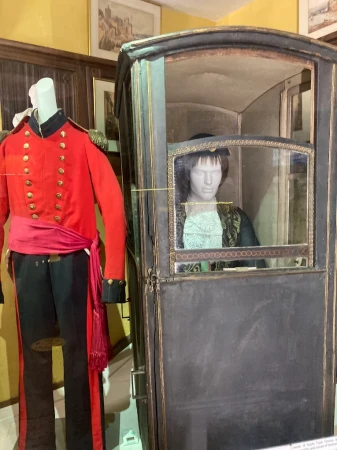
  • The Historic Holdsworth Toys: A delightful sub-exhibit displaying antique childhood playthings, metal trinkets, and period costumes belonging to historic families of the Dart Estuary.

Beyond the Main Attraction

  • The Historic Butterwalk Arcade: The museum sits directly on this 17th-century row, making it an excellent starting point for a walking tour of Dartmouth's old town to browse the boutique shops tucked beneath the timber-framed arcades.
  • Dartmouth Visitor Centre: Located just steps from the entrance, providing extra regional maps and local history pamphlets.
  • Dartmouth Castle: A short, picturesque stroll along the waterfront leads down towards Castle Road, where you can catch a river boat out to this fortress guarding the mouth of the estuary.

New for 2026

  • Naval and Secret Forces Exhibition: For 2026, Dartmouth Museum is heavily involved in the region's coastal history events, highlighted by this expanded gallery which includes a newly curated film detailing the clandestine achievements of the 15th Flotilla.
  • Updated Family Trail Maps: The museum has updated its interactive family trail booklets for the 2026 season, making the historic drawers and hidden compartments even more engaging for younger children to hunt through.

Events: For more upcoming events please visit here.

Price

Price: Paid

Price Details

  • Adults: £5.00
  • Concessions (Over 66): £4.50
  • Under 16s & Museum Members: Free


Pricing URL: https://www.dartmouthmuseum.org/visit/

Birthday Parties

Offer Birthday Parties: No

Open everyday: 11am - 3pm.

Address: The Butterwalk, Duke Street, Dartmouth, Devon, TQ6 9PZ, England

Post Code: TQ6 9PZ

Council: South Hams

County: Devon

  • By Boat / Ferry: Take the passenger ferry or car float from Kingswear directly to Dartmouth Town Quay. The museum is a flat, 2-minute walk from the pontoon up Duke Street.
  • By Car: Use the postcode TQ6 9PZ for navigation. Central parking is limited, but the Mayors Avenue Car Park is the closest option. Alternatively, the Dartmouth Park and Ride (located on the A3122) operates frequently during the tourist season and drops off nearby.
  • By Train: The nearest mainline railway station is across the river at Totnes or Paignton, where you can connect via local bus routes or the Dartmouth Steam Railway down to Kingswear.

5

0 Reviews

Rating breakdown

5
80% Complete (danger)
0
4
80% Complete (danger)
0
3
80% Complete (danger)
0
2
80% Complete (danger)
0
1
80% Complete (danger)
0

Get the best blog stories into your inbox!