Hare Hill - Hadrian's Wall

Hare Hill - Hadrian's Wall, Hadrian's Wall Path, Brampton, UK
1-99 Years
Paid

Description

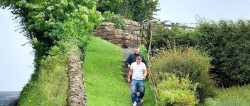
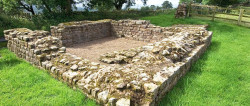
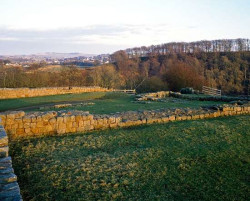
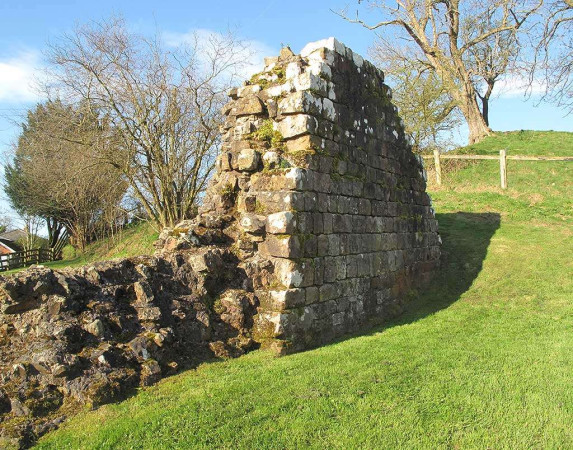
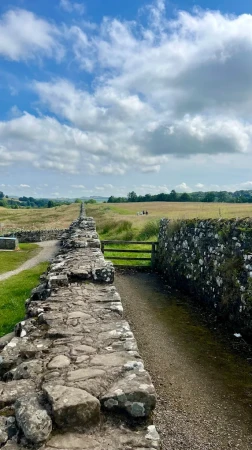
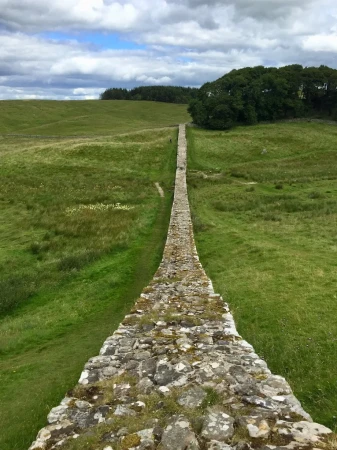
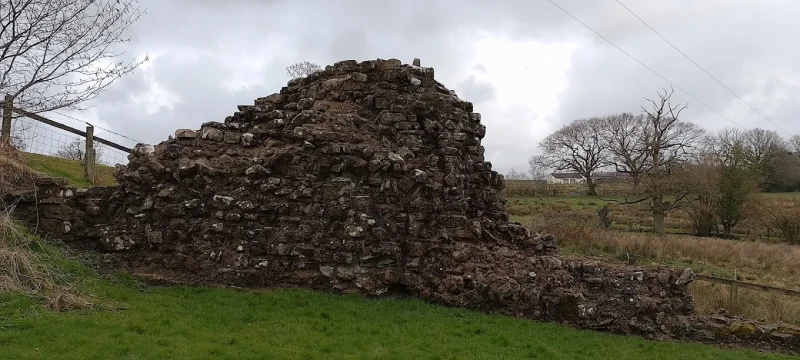
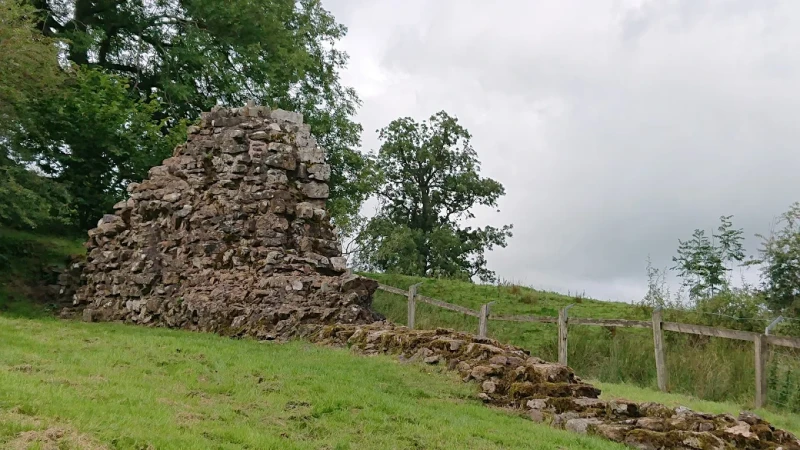
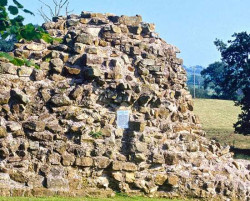
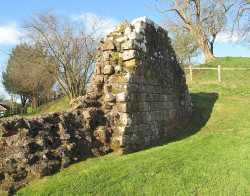
Hare Hill in Cumbria is the tallest remaining stretch of Hadrian's Wall, standing up to 3 metres high. It probably survived because it was later built into the wall of a medieval structure. In the 19th century it was substantially rebuilt, using Roman masonry which was probably retrieved from the surrounding area.

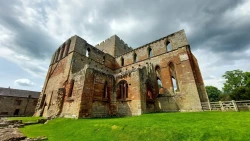
The Romans built Hadrian’s Wall from AD 122 to define the northern edge of the province of Britannia and the north-western boundary of their empire. At Hare Hill, a short length of the Wall stands to a height of 3 metres – the highest part to survive along the entire length of Hadrian’s Wall. Its survival is intriguing, because most of the Wall stone in the area was taken away to build nearby Lanercost Priory in the 12th and 13th centuries. 

Free Entry. If you are looking for Best place for day out with kids and families then this is the perfect destination offering fun, adventure, and unforgettable memories for everyone.

Features

  • Paid
  • Host birthday parties: No

Features

  • History of Hare Hill: The Romans built Hadrian’s Wall from AD 122 to define the northern edge of the province of Britannia and the north-western boundary of their empire. At Hare Hill, a short length of the Wall stands to a height of 3 metres – the highest part to survive along the entire length of Hadrian’s Wall. Its survival is intriguing, because most of the Wall stone in the area was taken away to build nearby Lanercost Priory in the 12th and 13th centuries.
  • Hadrian’s Wall at Hare Hill: Hadrian’s Wall extends for 80 Roman miles (117.5km) from Wallsend on the river Tyne in the east to Burgh-by-Sands on the Solway Firth in the west.
  • Hare Hill lies in the 53rd Roman mile of the Wall east of Wallsend. Originally, the Wall here was part of the 30-mile stretch between the river Irthing and Bowness-on-Solway which was made of turf.
  • Building the Wall: Three Roman legions, some 15,000 soldiers, undertook the building work on Hadrian’s Wall, beginning in AD 122: the 20th Valeria Victrix, based at Chester, the 6th Victrix, based at York, and the 2nd Augusta, based at Caerleon. These legions provided working parties, rotated periodically, leaving others to fulfil military needs in their bases and elsewhere in Britain. Each legion was made up of smaller units called cohorts, which were subdivided into centuries of around 80 soldiers, each commanded by a centurion.
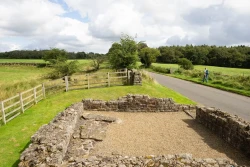
  • The medieval landscape of Lanercost Priory: The survival of such a tall but short length of Hadrian’s Wall is unusual in an area where it was otherwise removed long ago by stone robbing. In 2004, an archaeological excavation a few metres east of the surviving section revealed that Hadrian’s Wall had been robbed right to its foundation locally and after some time, another smaller, unmortared wall, 1 metre (3ft 6in) wide, built over its line.
  • Preserving the Wall at Hare Hill: In 1879, only the rubble core of Hadrian’s Wall survived at Hare Hill, as the facing stones had all been removed for local buildings and field walls. Its present north face resulted from restoration in the later 19th century, when fallen Roman facing stones were collected and put in place, together with the centurial stone.

Facilities

Parking: The closest car park available is at Lanercost Priory, roughly a 30 minute walk away.

Birthday Parties

Offer Birthday Parties: No

Open any reasonable time during daylight hours.

Address: Hare Hill - Hadrian's Wall, Hadrian's Wall Path, Brampton, UK

Post Code: CA8 2JJ

Council: Cumberland

County: Cumbria

  • Road Access: 3⁄4 mile north-east of Lanercost.
  • Bicycle Access: Find this site on The National Cycle Network.
  • Parking: The closest car park available is at Lanercost Priory, roughly a 30 minute walk away.

0.00

0 Reviews

Rating breakdown

5
80% Complete (danger)
0
4
80% Complete (danger)
0
3
80% Complete (danger)
0
2
80% Complete (danger)
0
1
80% Complete (danger)
0

Get the best blog stories into your inbox!