Hound Tor Deserted Medieval Village

Manaton, Newton Abbot, Devon TQ13 9XG, UK
1-99 Years
Paid

Description

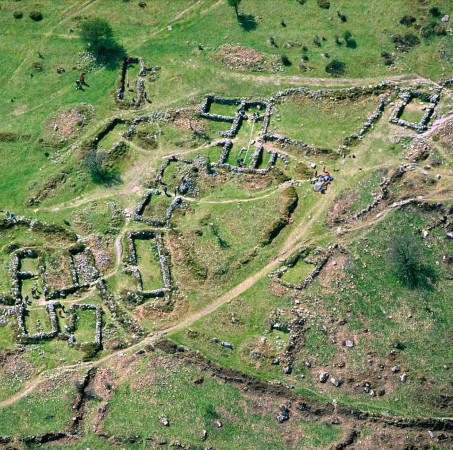
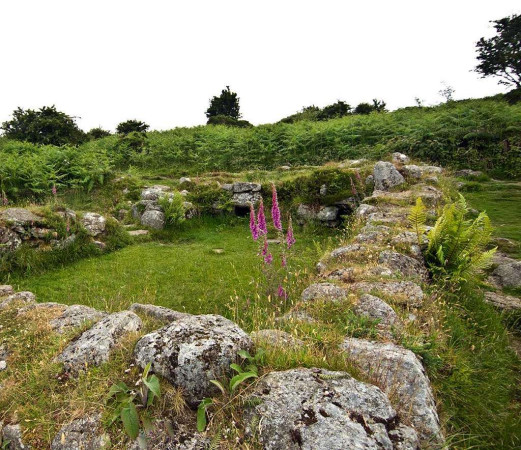
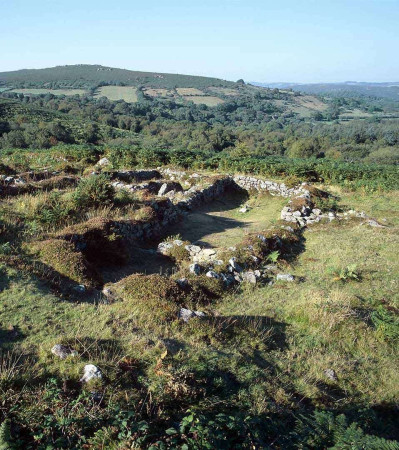
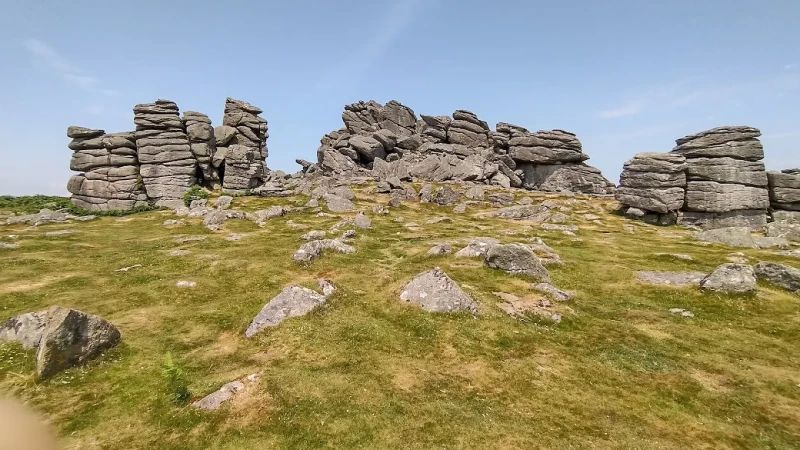
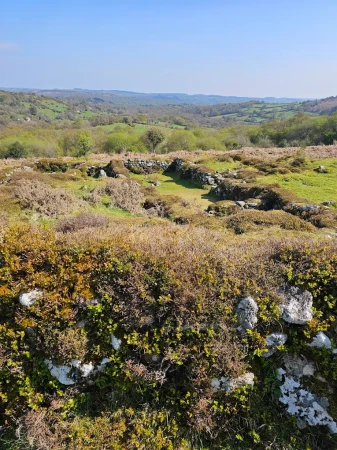
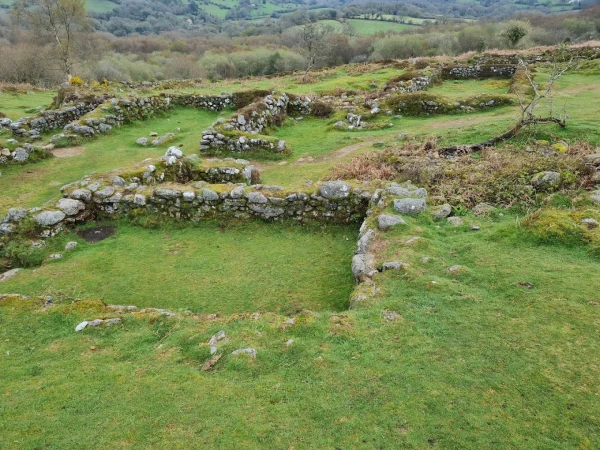
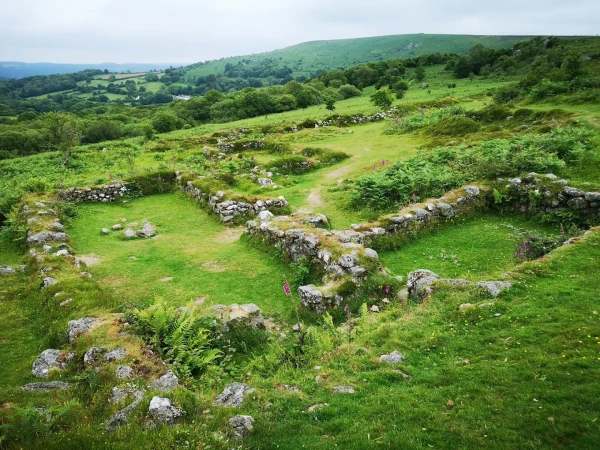
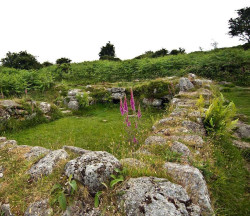
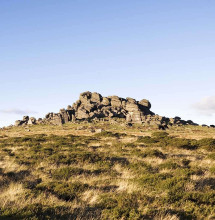
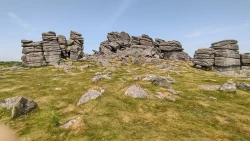
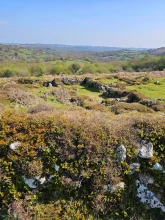
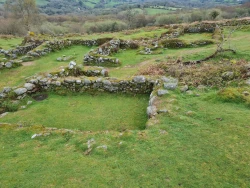
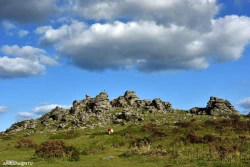
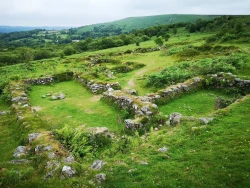
Hound Tor Deserted Medieval Village The extensive, atmospheric remains of this isolated village lie on the eastern edge of Dartmoor. The settlement consists of a cluster of 13th-century stone longhouses – in which the family lived at one end and the animals at the other – on land that was originally farmed in the Bronze Age. 

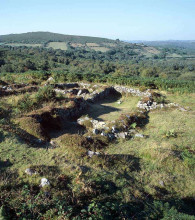
Hound Tor was probably deserted in the early 14th century. From the top of Greator Rocks, there is a fine view over the abandoned village and the surrounding moors. You can find out more by reading about the history of Hound Tor Deserted Medieval Village and by downloading our audio guide, which is designed so you can listen to it whether you are at Hound Tor or elsewhere.

Free Entry. If you are looking for Best place for day out with kids and families then this is the perfect destination offering fun, adventure, and unforgettable memories for everyone.

Features

  • Paid
  • Host birthday parties: No

Features

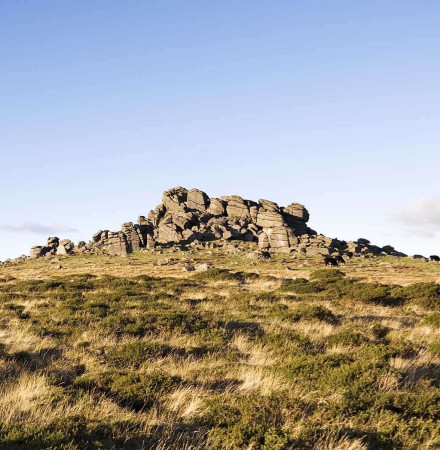
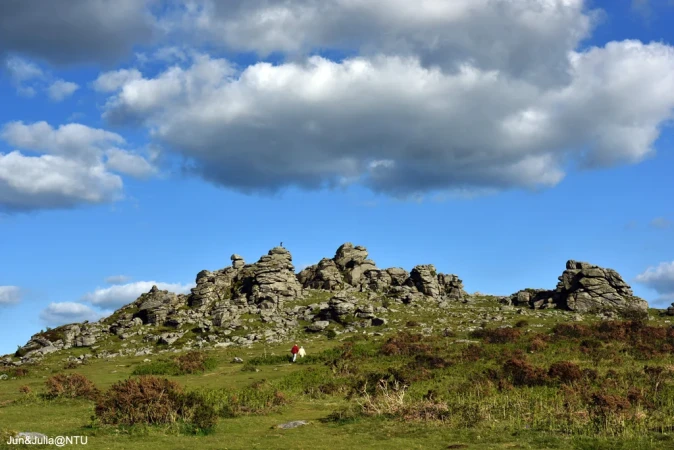
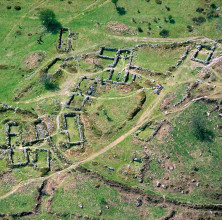
  • History of Hound Tor Deserted Medieval Village: The evocative remains of this abandoned and isolated hamlet lie on the eastern edge of Dartmoor, between the granite landmarks of Hound Tor and Greator Rocks. Archaeological excavations in the 1960s showed that this small and short-lived village was occupied by farmers in the 13th and 14th centuries. The hamlet had three or four main clusters of buildings, each with a longhouse, small barn and yard.
  • Early settlement: There are traces of circular stone huts and their fields nearby, dating from the Middle Bronze Age (1700–1200 BC). However, over-exploitation of the landscape and a cooling climate meant that year-round occupation of Dartmoor all but ceased by about 1000 BC, although the moor was still used as summer pasture for animals in the Iron Age and Roman periods.
  • Life in the village: The summer shelters evolved into a small farming hamlet around 1200. We don’t know the precise date, but pottery dating to the 13th century was found in the archaeological excavations, and a similar date is suggested by radiocarbon dating.
  • Layout and buildings: There are 11 stone buildings in the hamlet, probably organised in three farms, with another isolated farmstead about 250 metres to the north. Each group has a principal building known as a longhouse, a smaller building, a barn, and some garden and yard space.
  • Medieval longhouses: A longhouse is a traditional rural farmhouse with one end used to house cattle in winter. This type of shared accommodation was used in many parts of northern Europe. The design ensured the mutual warmth and security of both humans and cattle during the colder months. Longhouses gradually fell out of use in most parts of England but continued to be used in Devon into the 19th century.
  • The village abandoned: Life year-round at this altitude on Dartmoor – about 350 metres above sea level – was tough. It was probably only possible because the rocky outcrop of Hound Tor gave a little shelter from the prevailing westerly wind. But the life of the permanent settlement appears to have been short.
  • Understanding the landscape: Scientific study of the Hound Tor site has yielded new information since the excavations of the 1960s.

Facilities

  • Parking: There is limited parking in Swallerton Gate Car Park, located approximately 1.7 miles after turning off the B3387. We advise you to lock your car and keep valuables out of sight.
  • Food & Drinks: The site is fairly remote and far from any big hubs. Widecombe in the Moor is a small village located 3 miles away where you will find some facilities including a pub and cafes.
  • Dogs: Ponies and sheep graze freely on the moor so please keep your dog on a lead.

Birthday Parties

Offer Birthday Parties: No

Open any reasonable time during daylight hours.

Address: Manaton, Newton Abbot, Devon TQ13 9XG, UK

Post Code: TQ13 9XG

Council: Teignbridge

County: Devon

  • Road Access: 1.5 miles/2.4 km south of Manaton, 0.5 mile/0.8 km from the Ashburton road.
  • Bus Access: The nearest bus stop to Hound Tor is Swallerton Gate, which is a walk of 0.3 mile / 0.5 km to the Hound Tor site. The “Haytor Hoppa” Country Bus 271 operates a circular route from Newton Abbot Station on Sat only during the Summer months. Alternatively Country Bus 193 operates all year round on Wed and Fri only from Bovey Tracey Union Square to Haytor Vale, from where it is a 2 miles / 3 km cross country walk to Hound Tor. OS Explorer Map OL28 advised.
  • Train Access: Newton Abbot Station (10.5 miles / 17 km). Bus 271 departs from the bus stop opposite the station. Other buses depart from Sherborne Road (walk 0.6 mile / 1.0 km).
  • Bicycle Access: Find this site on The National Cycle Network.
  • Parking: There is limited parking in Swallerton Gate Car Park, located approximately 1.7 miles after turning off the B3387. We advise you to lock your car and keep valuables out of sight.

0.00

0 Reviews

Rating breakdown

5
80% Complete (danger)
0
4
80% Complete (danger)
0
3
80% Complete (danger)
0
2
80% Complete (danger)
0
1
80% Complete (danger)
0

Get the best blog stories into your inbox!