Old Gorhambury House

Gorhambury House, St Albans, Hertfordshire AL3 6AH, UK
1-99 Years

Description

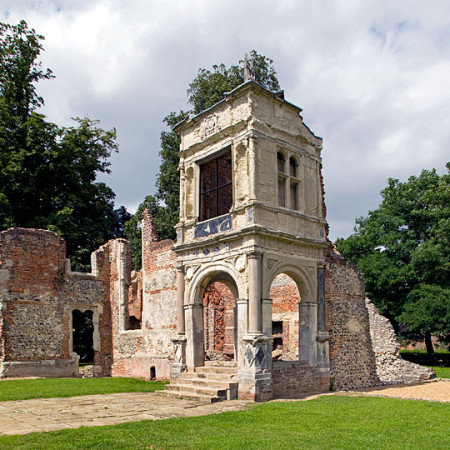
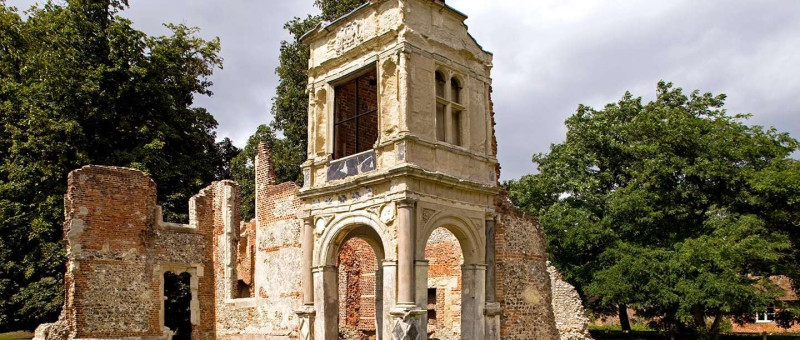
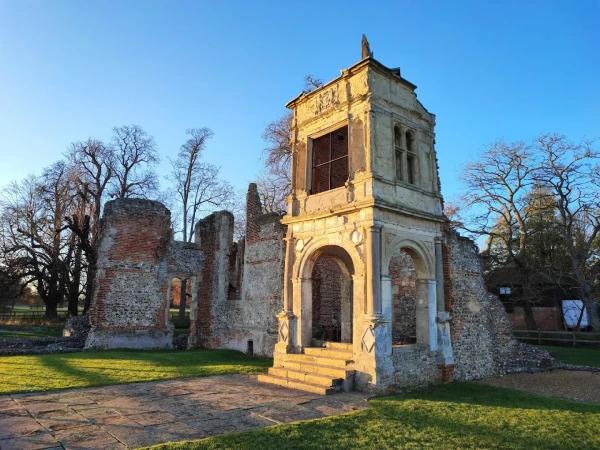
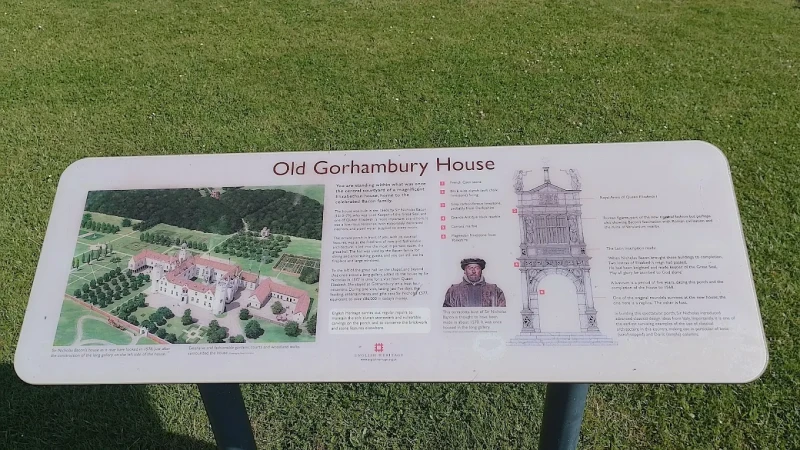
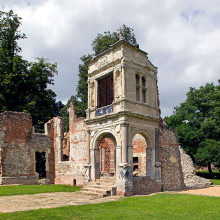
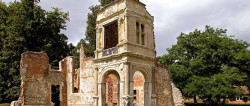
Old Gorhambury House Situated just outside St Albans are the remains of Old Gorhambury House, a once immense mansion constructed in 1563-8 by the Lord Keeper of the Great Seal, Sir Nicholas Bacon. A prolific builder, Sir Nicholas spent many years expanding and adapting the residence - the showpiece of which was undoubtedly an elaborate and expensive porch adorning the entrance.

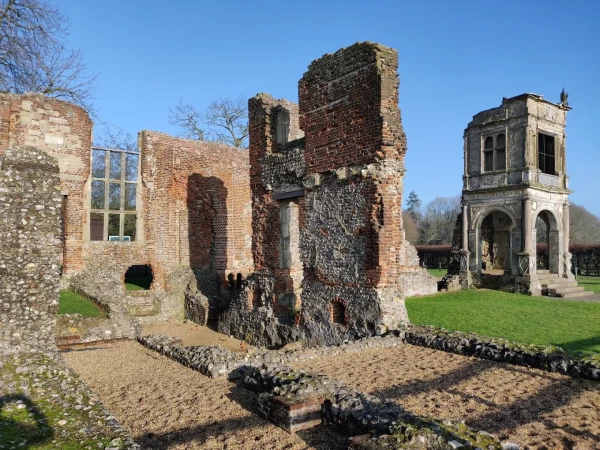
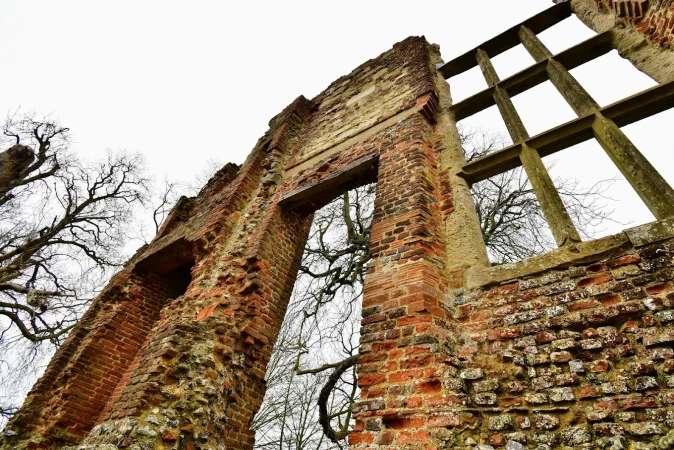
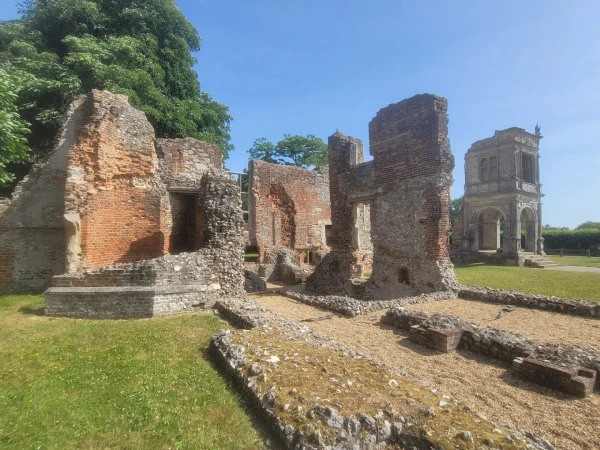
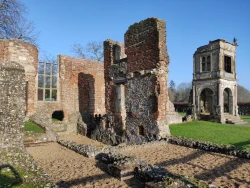
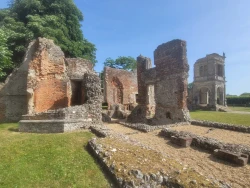
Over the years, the extensive building was sadly left to crumble, and visitors to the site may find it hard to visualise the estate as it would have looked during its heyday. However, the ruins that remain do give some indication of its grandeur, and make a visit to the site truly worthwhile. 

Free Entry. If you are looking for Best place for day out with kids and families then this is the perfect destination offering fun, adventure, and unforgettable memories for everyone.

Features

  • Free
  • Host birthday parties: No

Features

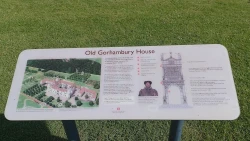
  • History of Old Gorhambury House: Old Gorhambury House lies just outside St Albans, tucked quietly away in the middle of the private estate of Lord Verulam. Its showpiece is the elaborate entrance porch, which was of cutting-edge design in Tudor times. In fact, the standing remains here are just a small part of what was once a very extensive country house.
  • Origins: The medieval manor was owned by St Albans Abbey and was home to the Gorham family, but after the Suppression of the Monasteries it was bought by Sir Nicholas Bacon, Lord Keeper of the Great Seal.
  • Sir Nicholas was a prolific builder and spent five years replacing the Gorham’s old home with the house whose ruins we see today. When Queen Elizabeth visited in 1572 she is reputed to have remarked, ‘My Lord, what a little house have you gotten’, to which Bacon smoothly replied, ‘Madam, my house is well, but it is you that have made me too great for my house’. Nevertheless, Sir Nicholas built a galleried extension to create a better impression for her second visit in 1577.
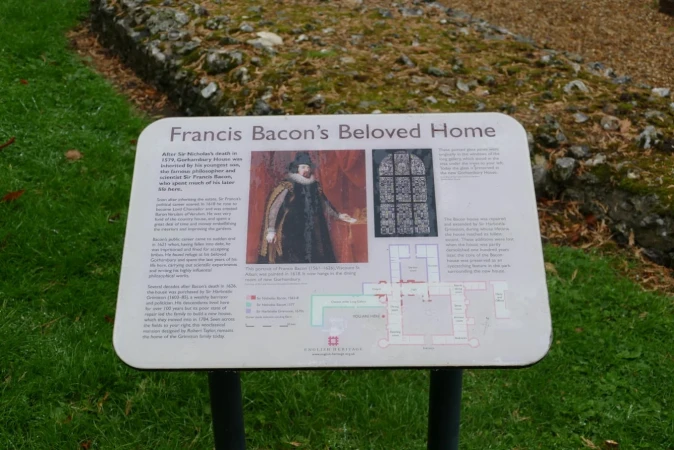
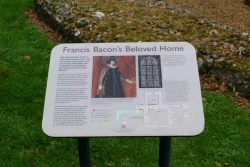
  • Old Gorhambury eventually passed to Sir Nicholas’s son, Sir Francis Bacon, the celebrated philosopher and Chancellor to James I. Sir Francis further extended the house and created a water garden with a Roman-style banqueting house as its centrepiece.
  • The house was extensively repaired in the 1670s by Sir Harbottle Grimston but had been allowed to fall into disrepair by the next century; it was replaced in 1784 by the present Gorhambury House.
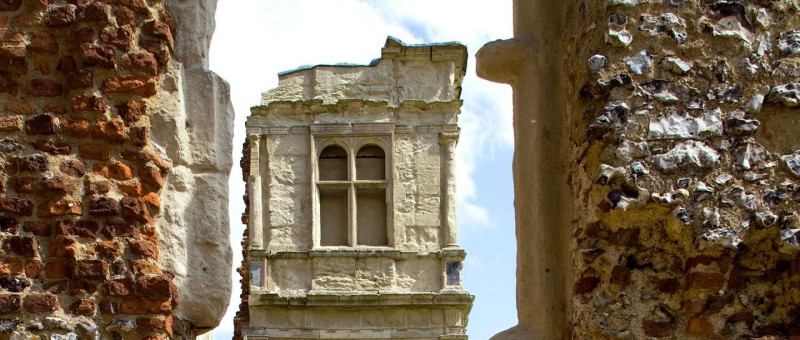
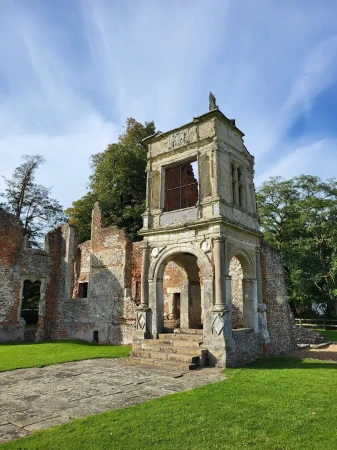
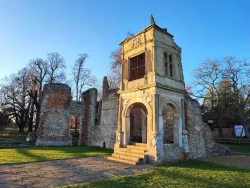
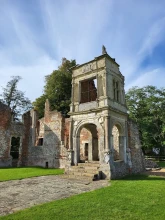
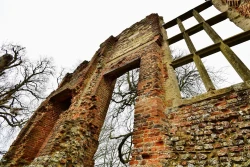
  • Description: The porch was the focal point of the house: a showy structure on which Sir Nicholas spared no expense. Doric columns flank the entrance arch on the ground floor and Ionic columns and niches flank the upper windows, which originally lit a first-floor room.
  • A Latin inscription records the completion of the house in 1568 and the arms of Queen Elizabeth I appear on the attic storey. The much-weathered wooden statue above was once one of a pair, probably of angels.
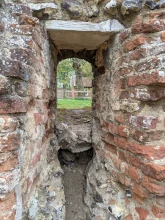
  • The porch was constructed from an unusually varied combination of materials, with a brick core faced with local chalk rubble – clunch – and limestone. The dressings were of a higher-quality limestone brought from farther afield and some of the more elaborate carvings are in Caen limestone from Normandy.
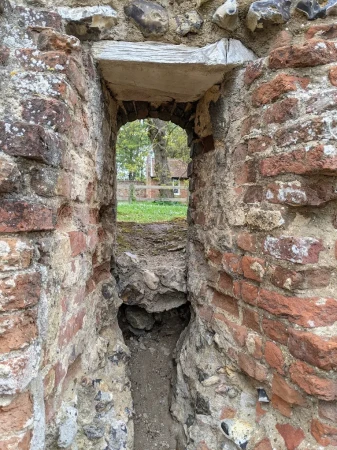
  • In contrast, most of the rest of the house was built of flint. This is hidden behind pink plaster designed to give the impression of more costly brickwork. A 19th century plan shows the house was of fairly conventional Tudor design, arranged around a courtyard with the hall opposite the entrance range. It included a chapel and galleried cloister to the west, a ballroom annexe to the east and a further court with the kitchen and offices to the north.
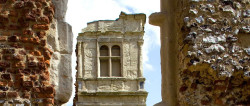
  • All this is rather hard to envisage today as all that remains standing, beyond the porch, are parts of the hall and chapel and the clock tower at the corner of the cloister. Further foundations may survive below ground in the fields to the east and south of the ruins.

Facilities

  • Parking: The walk or cycle up Gorhambury Drive to the site is about 2 miles from the nearest parking. Closer access by car to parking at the house is limited to Thursdays from May to September between 2pm-5pm only. During these limited opening hours, use AL3 6AE in sat navs for the gate to the entrance to Gorhambury Drive and then, once at the gate, use AL3 6AH for the house. Except on these Thursday afternoons, the nearest parking is at the Verulamium Museum where a charge applies, or there is limited parking at The Roman Theatre of Verulamium for their visitors.
  • Food & Drinks: There are no facilities on site but the centre of St Albans is just under 3 miles away.
  • Dogs: Assistance dogs only.

Price

Price: Free

Birthday Parties

Offer Birthday Parties: No

Any reasonable daylight hours but not earlier than 8am or later than 6pm (last access to drive at 5.30pm and gate is locked at 6pm).

Address: Gorhambury House, St Albans, Hertfordshire AL3 6AH, UK

Post Code: AL3 6AH

Council:

County:

  • Road Access: Just off A4147 on western outskirts of St Albans. 2 miles walk or cycle up permissive path called Gorhambury Drive. Closer access by car is limited to Thursdays from May to September between 2pm-5pm.
  • Bus Access: Arriva/Uno services 300 & 301 pass start of drive.
  • Train Access: St Albans Abbey 3 miles, St Albans 3 1⁄2 miles.
  • Bicycle Access: Find this site on The National Cycle Network.
  • Parking: The walk or cycle up Gorhambury Drive to the site is about 2 miles from the nearest parking. Closer access by car to parking at the house is limited to Thursdays from May to September between 2pm-5pm only. During these limited opening hours, use AL3 6AE in sat navs for the gate to the entrance to Gorhambury Drive and then, once at the gate, use AL3 6AH for the house. Except on these Thursday afternoons, the nearest parking is at the Verulamium Museum where a charge applies, or there is limited parking at The Roman Theatre of Verulamium for their visitors.

0.00

0 Reviews

Rating breakdown

5
80% Complete (danger)
0
4
80% Complete (danger)
0
3
80% Complete (danger)
0
2
80% Complete (danger)
0
1
80% Complete (danger)
0

Get the best blog stories into your inbox!