Description
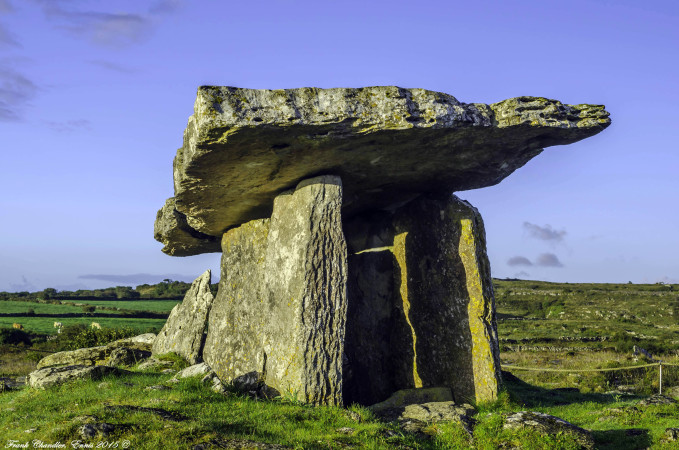
Poulnabrone Dolmen is a fantastic choice if you are searching for the best things to do with kids in County Clare. Situated on a high limestone plateau right in the heart of the Burren, this iconic portal tomb is the oldest dated megalithic monument in Ireland and provides local families with a brilliant gateway to ancient history. It serves as an inspiring, educational day out for families looking to introduce school children, pre-teens, and teenagers to Neolithic archaeology, glacio-karst landscapes, and early human heritage.
Standard admission to view the spectacular stone structure, read the on-site interpretation boards, and explore the surrounding rocky paths is completely free, making it a highly budget-friendly option for rural exploration. Families can wander safely around the designated perimeter trail, inspect unique geological formations, and marvel at ancient engineering without worrying about steep commercial packages or hidden booking fees. The convenient roadside positioning makes it a stress-free cultural spot to drop into while touring local driving paths or heading toward Ballyvaughan village nearby.
If you are looking for the best place for a day out with family and kids, this unique historic monument seamlessly connects pristine Irish nature with ancient burial history. It gives children an authentic glimpse into the daily life and craftsmanship of stone-age farming communities and introduces them to massive capstones, glacial boulders, and deep limestone fissures. Because the open site provides a dramatic, open-air environment that encourages visual learning, it offers an excellent atmosphere for young minds to discover historical ruins.
Features
- Free
- Host birthday parties: No
Features
Key Features
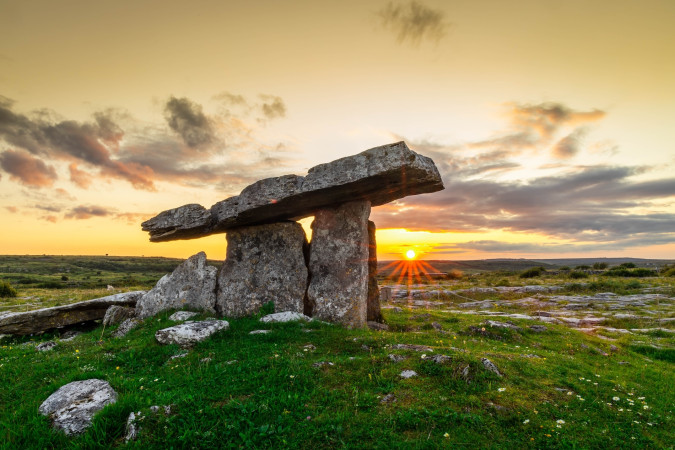
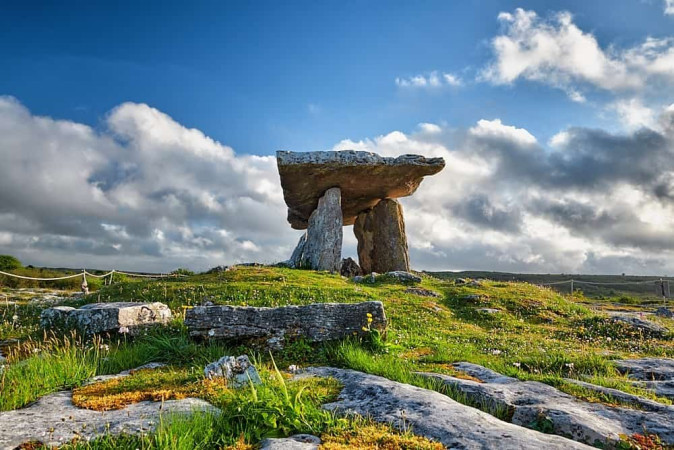
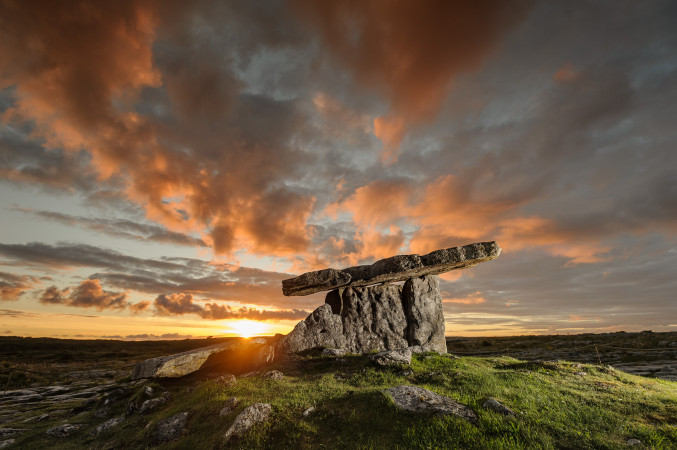
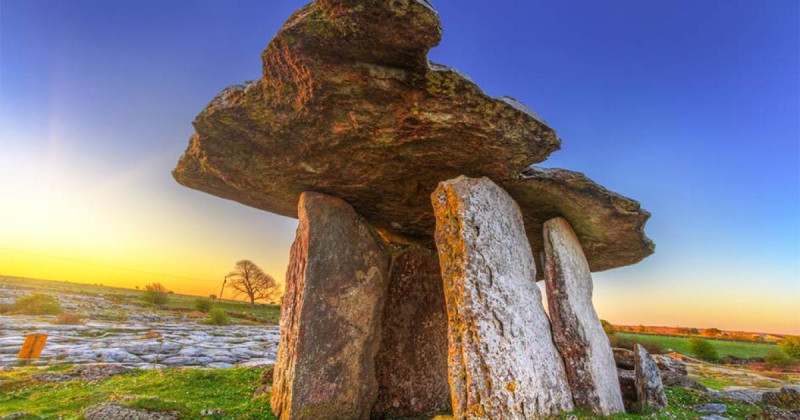
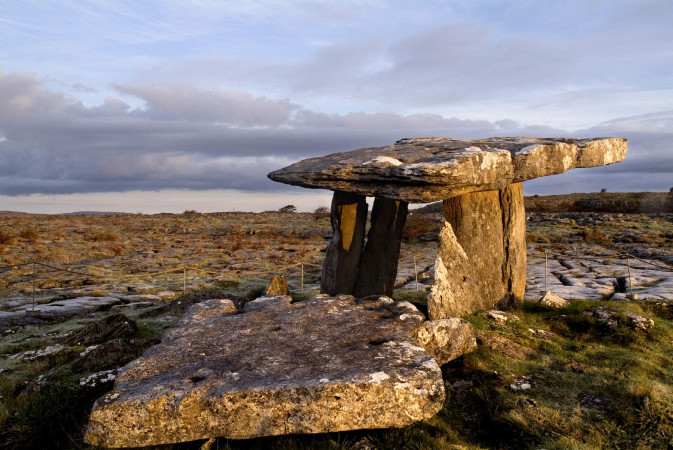
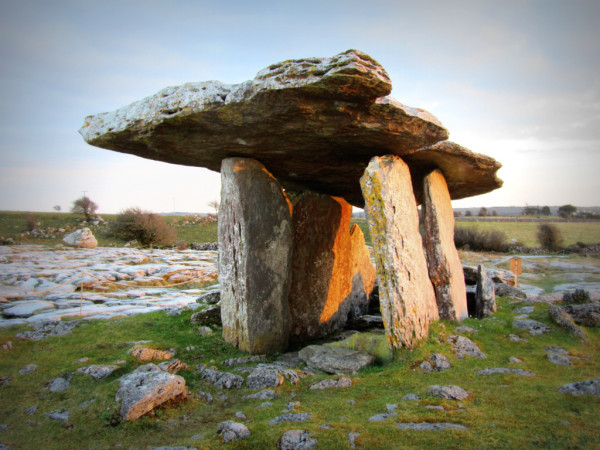
- Iconic Portal Architecture: The ancient structure features two large upright portal stones supporting a massive, sloping limestone capstone.
- Deep Archaeological Legacy: Excavations at the monument famously revealed the co-mingled remains of over 30 Neolithic individuals and prehistoric tools.
- Glacio-Karst Limestone Pavement: The monument sits on exposed bedrock scraped clean by ancient ice sheets and carved by rainwater dissolution.
Detailed Highlights
- The Massive Sloping Capstone: This giant limestone slab caps the main entrance to create a dramatic architectural silhouette against the sky. Kids will love stepping close to the boundary to see how the ancient builders balanced the enormous weight perfectly without modern cranes. A helpful peer note: children are usually fascinated to learn that the upright stones are only supported by the clever counterbalancing weight of the capstone itself.
- The Glacial Erratic Boulder: Located right beside the main pedestrian pathway to the dolmen, this giant rock serves as a brilliant geological feature. Children enjoy inspecting this out-of-place boulder which was ripped up and moved miles across the land by massive moving ice sheets. It is highly engaging because it provides a practical, hands-on example showing how ice sheets shaped the landscape thousands of years ago.
- The Clints and Grikes Bedrock: The entire field surrounding the portal tomb consists of dramatic, bare limestone pavements. Young explorers enjoy looking down into the deep grikes, which are natural fissures formed over centuries by rainwater dissolving the stone. It serves as an excellent natural maze where kids can spot tiny ferns and unique wild plants growing hidden away from the wind.
- The Rope Protection Trail: A low protective rope line runs cleanly around the monument to preserve the ancient stone foundations. Parents can explain how this simple barrier keeps the stone pavement safe from thousands of modern footsteps. It helps teenagers understand the delicate balance between public heritage access and long-term archaeological conservation.
- The On-Site Interpretation Displays: Positioned right by the entry path, these weatherproof panels offer deep educational insights into the site's history. Children enjoy reading the facts and looking at diagrams of the tools discovered here, such as polished stone axes and chert arrowheads. It serves as an inspiring, educational space to understand the stone age before walking out onto the rock.
Inventory of Nearby Landmarks, Areas & Exhibits
- The Poulnabrone Portal Tomb: The primary 5,000-year-old megalithic stone structure featuring two portal uprights and a sloped capstone.
- The Rock-Mound Chamber Base: The low, supportive cairn of loose limestone rocks built around the uprights to provide stability.
- The Glacial Erratic Route: The main gravel walking pathway lined with massive boulders deposited during the last ice age.
- Caherconnell Stone Fort: A remarkably intact, circular stone fortress situated just one mile south down the R480 road featuring an interactive visitor centre.
- Aillwee Cave & Geosite: A fantastic underground limestone cave system located a 15-minute drive north, featuring subterranean rivers and a birds of prey centre.
- Fanore Beach & Discovery Point: A beautiful, sandy coastal geosite offering extensive dunes and sculptured biokarst rocks for family walks.
- Carron Polje & Disappearing Lake: A large, flat-bottomed limestone valley feature situated nearby that transforms into a temporary lake during heavy rains.
- Father Ted's House: The iconic exterior location of the famous television parochial house, located a 25-minute drive southeast through the rocky hills.
- The Cliffs of Moher: The world-famous signature Atlantic cliff path and underground visitor center, located roughly 35 minutes west.





 4.39 miles