Sea Life Surveys

Description

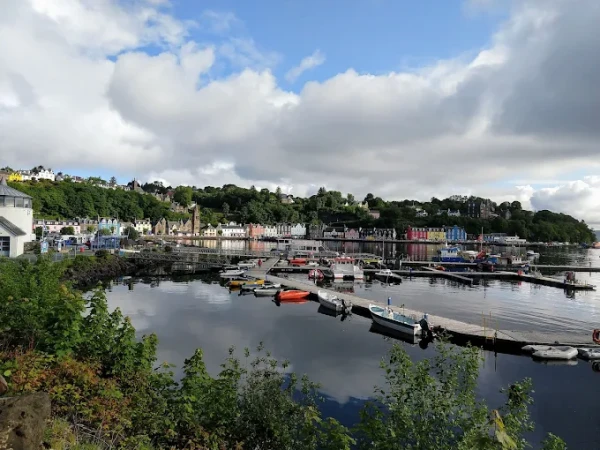
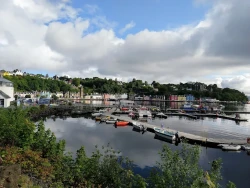
Sea Life & Whale watching tours from tobermory. Sea Life Mull was previously known as Sea Life Surveys until 2021. It was the mysterious minke whale which first gripped naturalist Richard Fairbairns’ imagination and brought Sea Life Surveys into existence.

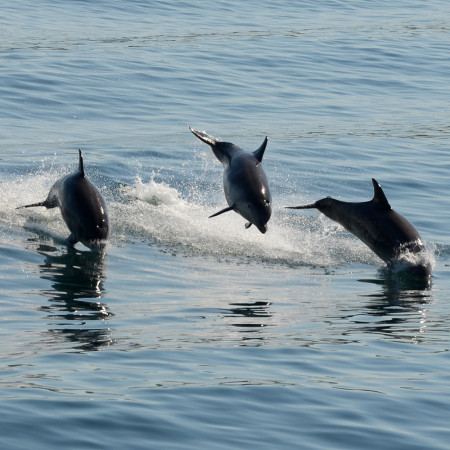
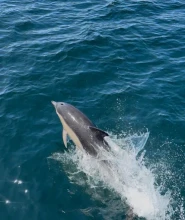
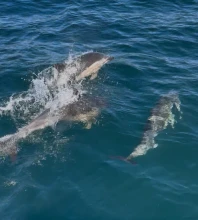
The variety of species that we regularly encounter – including minke whales, basking sharks, common dolphins, bottlenose dolphins, harbour porpoise, seals, white-tailed eagles and an abundance of seabirds – make the Hebrides the number one whale watching destination in the UK.

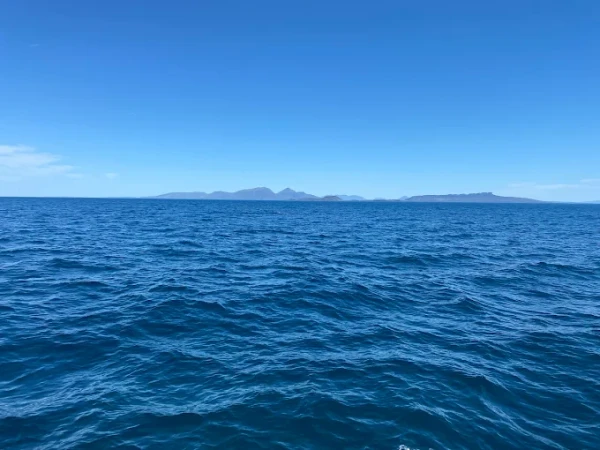
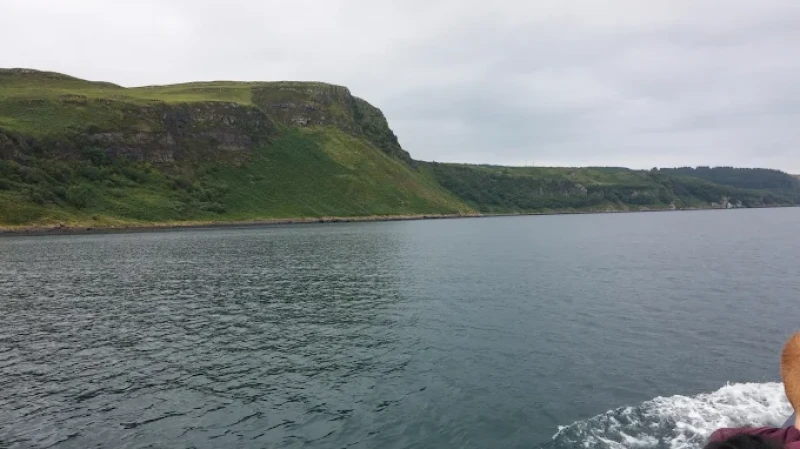
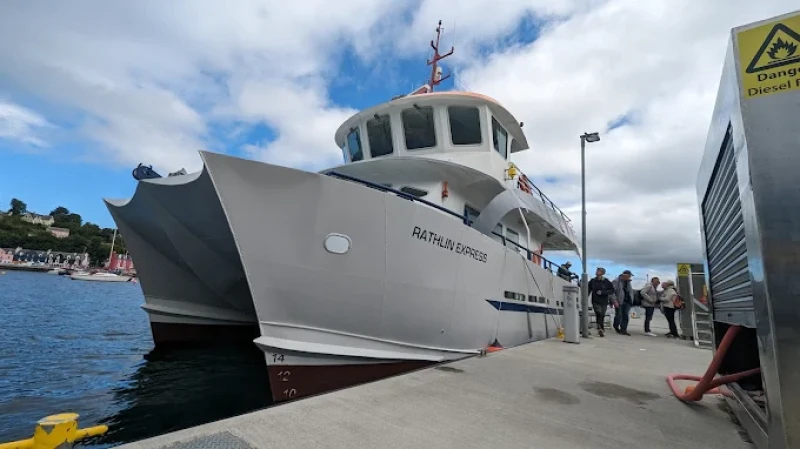
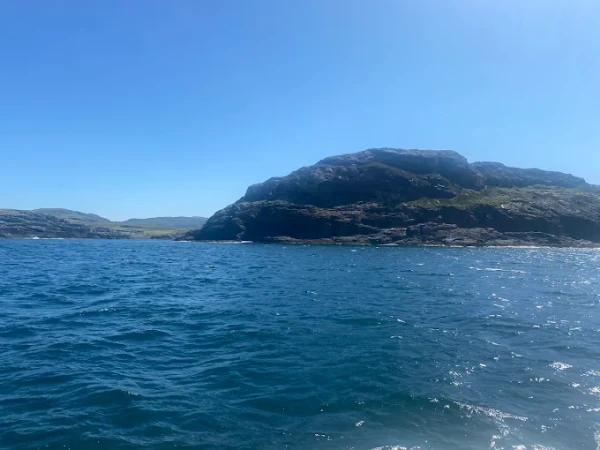
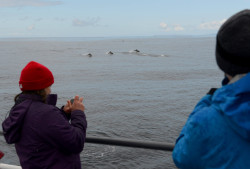
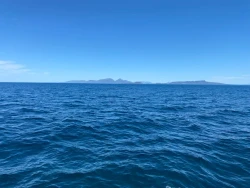
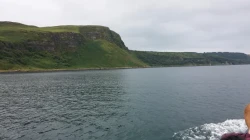
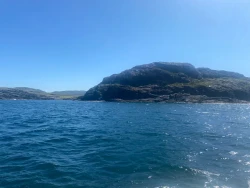
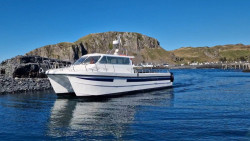
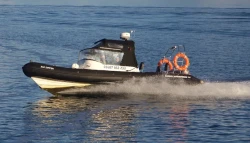
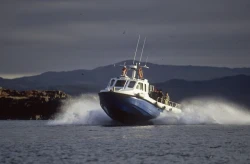
They are the longest running whale watching company in the UK, with over 40 years experience operating from Tobermory on the Isle of Mull. Our tour explores the wildlife-rich surroundings of the Inner Hebrides; sailing between Mull, Ardnamurchan and the Isle of Coll. Seeing fantastic animals such as minke whales, dolphins, basking sharks and whited tailed eagles in their natural environment is a privilege, let us share that with you.

Prices starts from £80.00 for four hours experience. If you are looking for Best place for day out with kids and families then this is the perfect destination offering fun, adventure, and unforgettable memories for everyone.

Features

  • Paid
  • Host birthday parties: No

Features

  • Minke whale: A small baleen whale which grows to a size of 8-10 meters in length. Minke whales are dark grey on the upper part of their bodies and have lighter colouration along their flanks. These whale have a slim snout and a curved dorsal fin situated far back on their body. They are spotted frequently on our tours. One specific Minke whale ‘Knobble’, who’s name comes from his very distinctive dorsal fin, has been seen by us in the waters off Mull for 20 years. 
  • Orca: One of the most distinctive and well known species of marine mammal. Orcas on average grow to between 4-9 meters in length. These are the largest species of dolphin. Orcas are black in colour with distinctive white patch behind the eye and below the mouth which extends along its flanks and underside. They also have a very distinctive dorsal fin due to its large size. The West Coast Community of Killer whales have 2 members which are spotted frequently near the island of Mull, John Coe and Aquarius. These male killer whales are easily identified due to John Coe’s distinctive dorsal fin which has a notch missing near its base. 
  • Basking shark: The largest fish found in our waters, growing up to 12 meters. They have large mouths which filter seawater to extract plankton, their food source. They are dark grey in colour and have a large dorsal and tail fin which can be seen above the water when feeding near the surface. They are seen late in the summer months but it is dependent on plankton levels. 
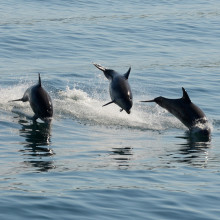
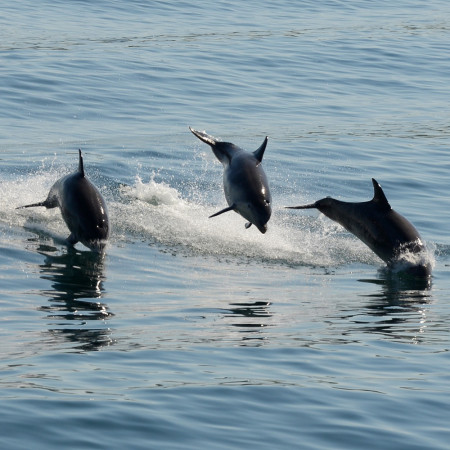
  • Bottle nose dolphin: A relatively large species of dolphin which grow to between 2.5-4 meters in length. These dolphins are dark grey in colour and lighter on their underside, with a short beak. Bottlenose dolphins are commonly seen around the coastline of Mull and can often be seen to be playful and inquisitive. 
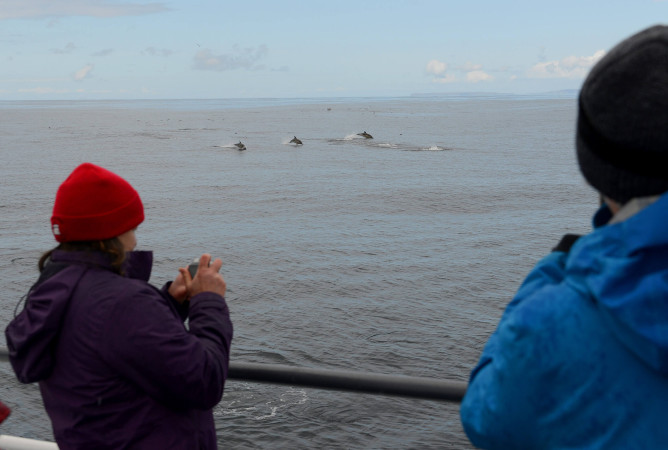
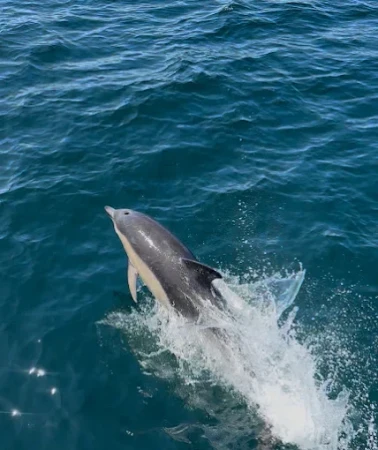
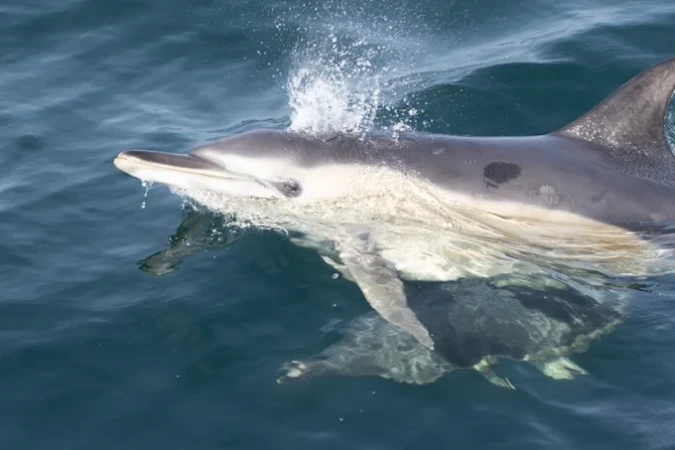
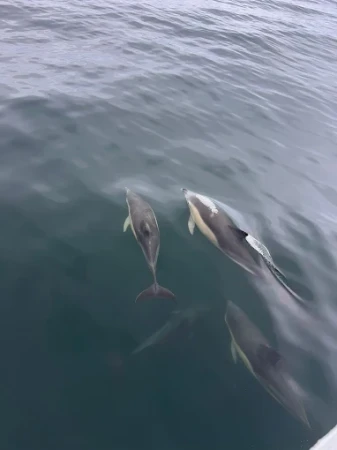
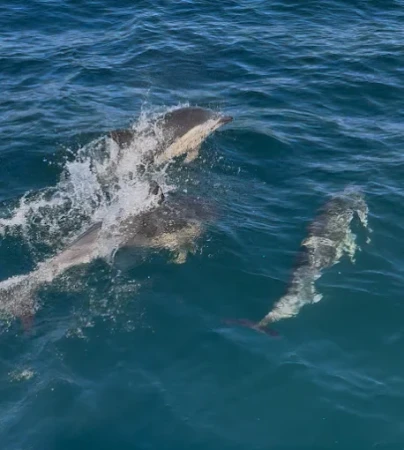
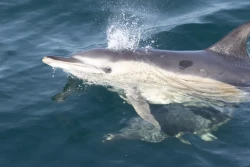
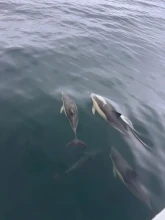
  • Common dolphin: These dolphins are significantly smaller than the Bottlenose species, growing to between 1.8-2.3 meters. These dolphins are dark grey in colour with a yellowish band from its mouth to dorsal fin and very pale on its underside. They can be seen in varying sizes of pods and on occasion ‘super pods’ of over 100+ dolphins. Like the Bottlenose, this species is playful and inquisitive and are often seen riding to bow wave of boats. 
  • Harbour Porpoise: Smaller in size than the dolphin species commonly seen, porpoise usually grow to between 1.4-1.9 meters. Porpoise have a a rounded head, small dorsal fin and are dark grey in colour with a white underside. Porpoise tend to be shy in comparison to dolphins. 
  • Risso’s dolphin: This species of dolphin is relatively large and grows to between 3-3.5 meters. These dolphins have a stalky body and a blunt rounded head. Younger Risso’s dolphins are dark grey in colour but gradually get lighter as they age. Scratches become more prominent and distinct on the dolphins body as they age. 
  • Harbour seals: These seals are grey/brown in colour and grow to between 1.2-2 meters in length. Common seals have a short muzzle with V-shaped nostrils. These seals give birth in June and July. They tend to be seen in more sheltered locations. 
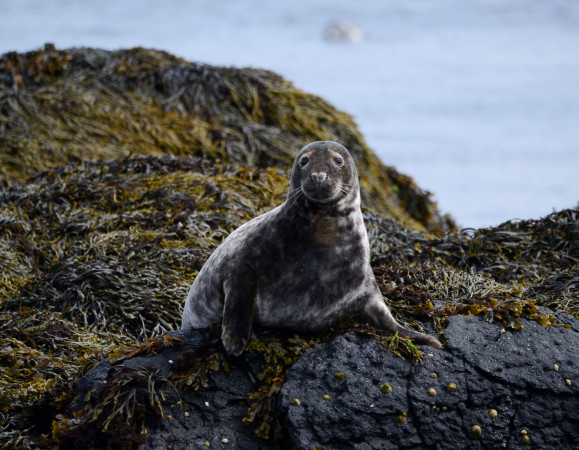
  • Grey Seals: Grey Seals are larger than the Harbour seal, growing to between 2.2-3.2 meters in length. They are grey in colour with dark blotchy spots. They have a longer more pronounced muzzle and give birth to young in the autumn. In contrast to harbour seals, grey seals are commonly found in more exposed locations. 
  • White tailed Sea eagle: The largest species of bird found in the UK, with a wingspan of 2.5 meters. They were successfully reintroduced onto the Island of Rum in the 1970’s after becoming extinct in the early 1900’s. The population grew and expanded to other islands including Mull, which is home to 22 breeding pairs and can be seen frequently on the coastline of the island. These birds have a bright yellow beak, white head and tail feathers which contrast with their dark feathers on their body.
  • Golden Eagle: Slightly smaller than the White tailed sea eagle, they have a wingspan of up to 2 meters. Golden eagles have dark brown feathers, with golden feathers on the back of its head. There is a healthy population of golden eagles on Mull and can be seen along the coastline. 
  • Grey Heron: A large bird with a distinctive long neck long legs and large wingspan of up to 2m. Herons have grey plumage on their bodies and a white head with black crown and crest. Usually seen alone standing along the shoreline and are seen all year round. 
  • Great Skua: A large bulky bird predominantly seen flying overhead at sea. They have dark brown plumage, speckled with lighter brown feathers and white patches on the underside of its wings. These birds are aggressive hunters and often seen pursuing prey, which includes puffins. 
  • Puffin: Puffins are a very distinct sea bird and small in size. These birds have a black body, bright orange feet, with a white face and underside. What makes them so unique is their bright and colourful beak. These birds nest on The Treshnish Isles from May until the beginning of August and can be seen in the surrounding area in search of food for their young, pufflings. Puffins leave this area at the beginning of August and head out to sea and will return to land the following year to breed again. Staffa Tours offer trips to The Treshnish Isles to observe the puffins. 
  • Razor bill: These birds a slightly bigger than puffins. They have a black beak and plumage down their body with a white underside. The distinctive marking on a razor is a thin white line on the top of its beak which extends up towards its eye. 
  • Guillemot: Guillemots are similar in size to a razor bill and have black and white plumage. Guillemots have a more slender beak than razor bills and lack a thin white stipe. These birds spend the majority of their time at sea and come ashore during the breeding season. 
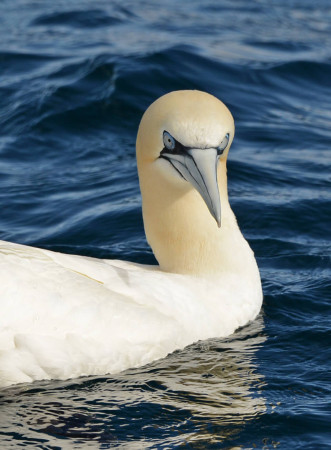
  • Gannet: A relatively large seabird with a large wingspan up to 2 meters. Gannets have a white body, yellow head and black wing tips. These birds can travel large distances looking for food and can be seen diving into the water at speeds of up to 60mph. 
  • Shag: Shags are commonly found around the coastline of Mull and surrounding islands. They a slender bird with black plumage and a yellow and black beak. These birds are often spotted on land or rocks with their wings outstretched to dry them after being in the water. These birds can be seen year round. 
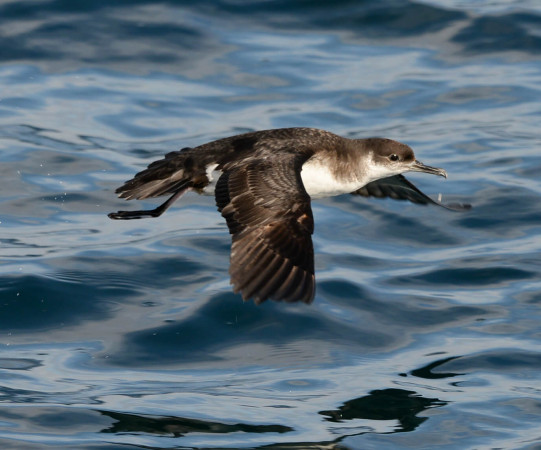
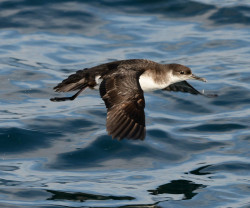
  • Manx shearwater: These seabird are smaller than a guillemot and have black and white plumage. The plumage is black from the topside of its head down its back and the underside is white, which extends down its wings. These birds are seen flying very close to the surface of the sea in a gliding motion. These birds, like many seabirds, are migratory and can spends the breeding season in the West Coast of Scotland before migrating to South America. 

Facilities

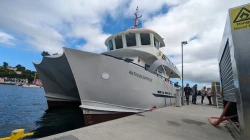
  • Parking: Ledaig car park provides limited, free parking a short walk along Main Street from the Sea Life Mull berth and Pontoons car park is adjacent to the Sea Life Mull berth. 
  • Toilets: Basic toilet facilities.
  • Dogs: Happy to have dogs on the boats, providing they are kept under control on a lead.

Price

Price: Paid

Price Details

Wildlife Adventure: £80

For more information please visit: https://sealifemull.co.uk/tours/

Pricing URL: https://sealifemull.co.uk/tours/

Birthday Parties

Offer Birthday Parties: No

  • Monday - Friday: 10 am–4 pm.
  • Saturday: 8 am–8:30 pm.
  • Sunday: 9 am–8:30 pm.

Address: Ledaig Building, Isle Of, Tobermory, Isle of Mull, UK

Post Code: PA75 6NR

Council: Argyll and Bute

County: Oban South and the I

  • Location: Ledaig Bldg, 1 Isle Of, Tobermory, Isle of Mull PA75 6NR.
  • Parking: Ledaig car park provides limited, free parking a short walk along Main Street from the Sea Life Mull berth and Pontoons car park is adjacent to the Sea Life Mull berth. 

5.00

0 Reviews

Rating breakdown

5
80% Complete (danger)
0
4
80% Complete (danger)
0
3
80% Complete (danger)
0
2
80% Complete (danger)
0
1
80% Complete (danger)
0

More Day Outs in Oban, Lorn and the Isles

Get the best blog stories into your inbox!