Description
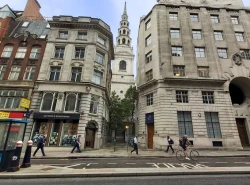
St Bride’s Church on Fleet Street is a historic landmark in the heart of London’s media district. Known globally as the "Journalists' Church," it provides a spiritual home to those working in the media and holds 2,000 years of history beneath its floorboards. It is a rare sanctuary of peace amidst the high-speed environment of the City.
For history students, architecture enthusiasts, and families, St Bride’s acts as a living museum. Unlike large tourist attractions, it offers an authentic, contemplative environment where visitors can engage with Roman archaeology, medieval origins, and the architectural brilliance of Sir Christopher Wren.
If you are planning an educational day out, this site pairs perfectly with a broader walking tour of Fleet Street and the surrounding City. It is free to enter, accessible, and provides a tangible connection to the layers of history that have shaped the capital.
Features
- Free
- Host birthday parties: No
Features
Top Features
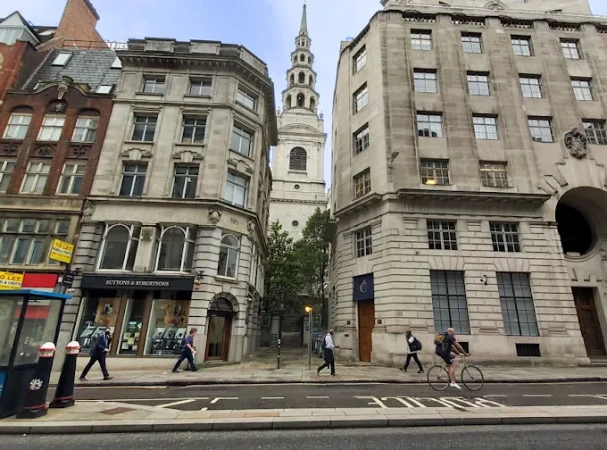
- The "Wedding Cake" Spire: Designed by Sir Christopher Wren, its tiered design is widely believed to have inspired the traditional multi-tiered wedding cake.
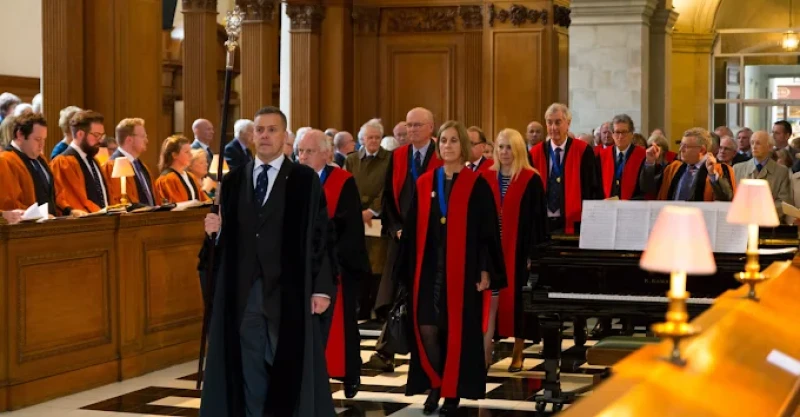
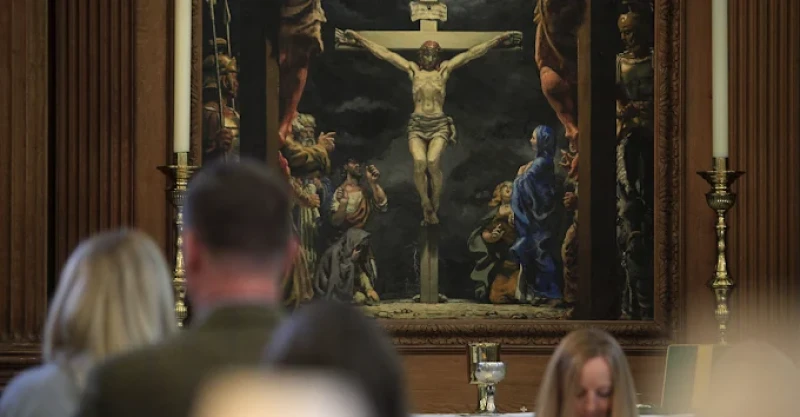
- The Journalists' Altar: Reflecting its long-standing association with the print and media industries of Fleet Street.
- Ancient Crypt Museum: Houses Roman tessellated pavements and foundations of six previous churches that occupied the site.
- Accessible History: The main church is largely step-free, making it a rare, historic City church that is fully inclusive for all visitors.
- Space for Silence: A dedicated weekday programme that invites visitors to escape the City noise for peace and reflection.
Highlights
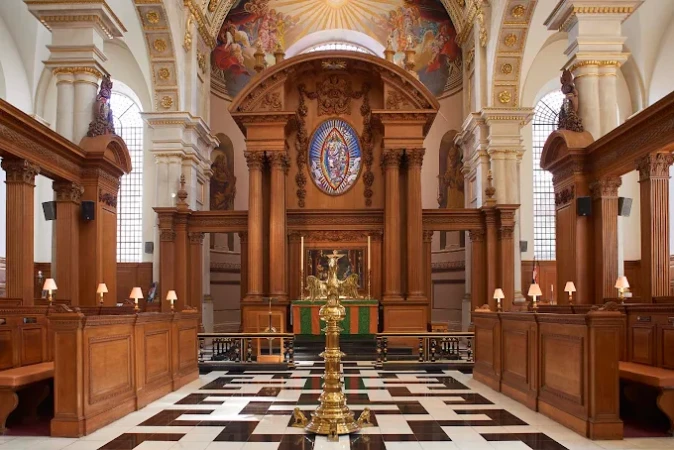
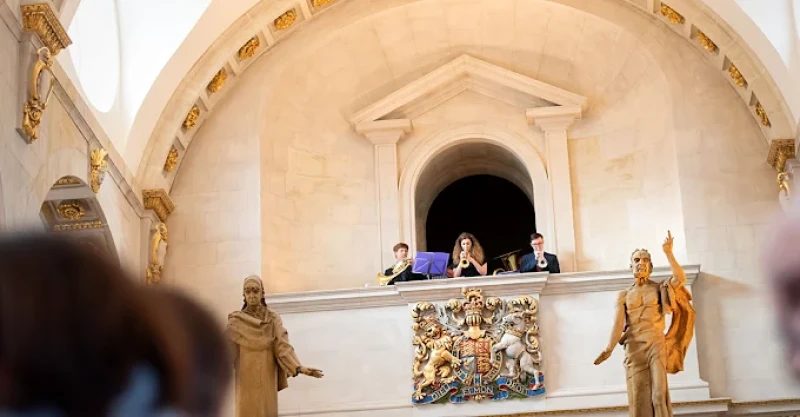
- The Main Church: Appreciate the elegant, spacious nave rebuilt by Christopher Wren after the Great Fire of 1666. The interior design is a masterclass in 17th-century craftsmanship.
- The Crypt: This is an essential stop. Explore the remains of the churches that stood on this site between the 11th and 15th centuries. You can see medieval floor tiles, stonework, and Roman artifacts discovered during post-WWII excavations.
- The Roman Pavement: Located in the crypt, this AD 180 pavement is the earliest evidence of a building on the site, illustrating the deep Roman roots of Londinium.
- Medieval Chapel: Constructed with heavy stone arches by Wren to support the building above, this chapel is a memorial to the staff of Associated Newspapers who lost their lives during the World Wars.
Beyond the Main Attraction
- Dr Johnson’s House: Located nearby, where the great dictionary was compiled.
- St Dunstan in the West: A short walk away, offering another unique architectural perspective of the City.
- The Old Bell Tavern: A historic pub nearby, famously where Sir Christopher Wren is said to have lodged his workmen during the church’s construction.














 0.30 miles