The Grange at Northington

Description

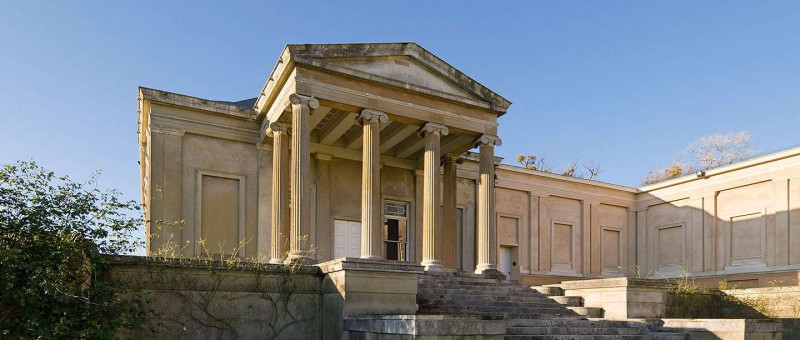
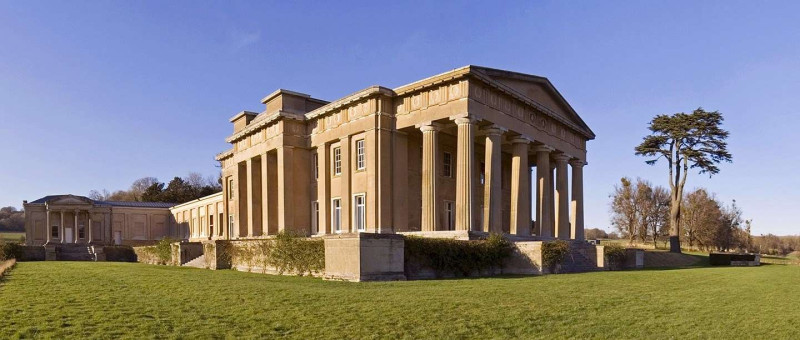
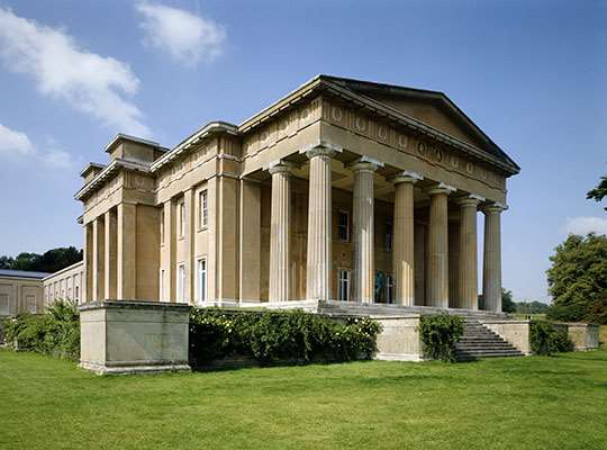
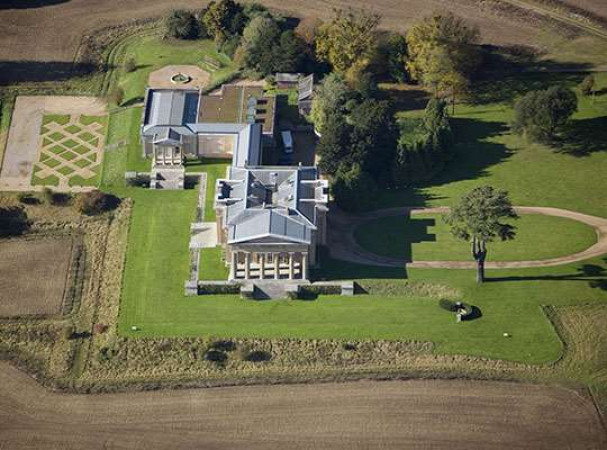
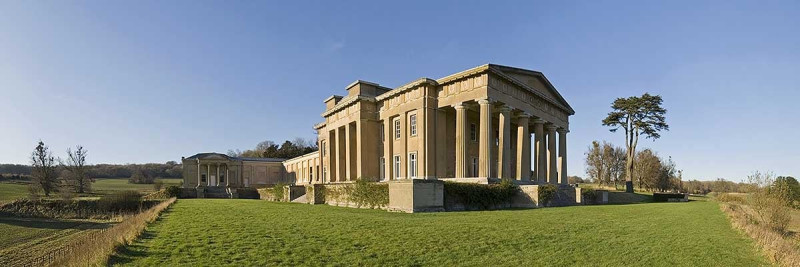
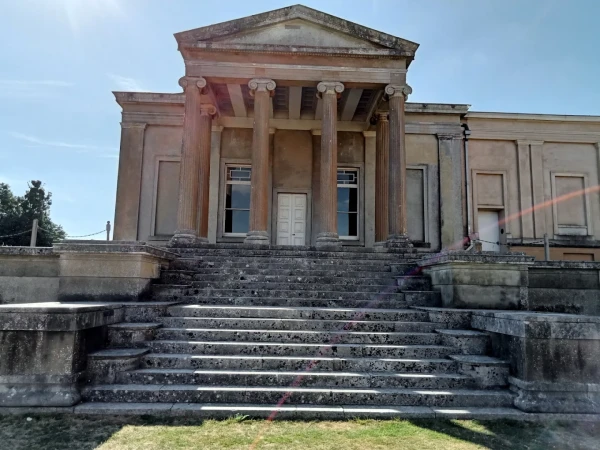
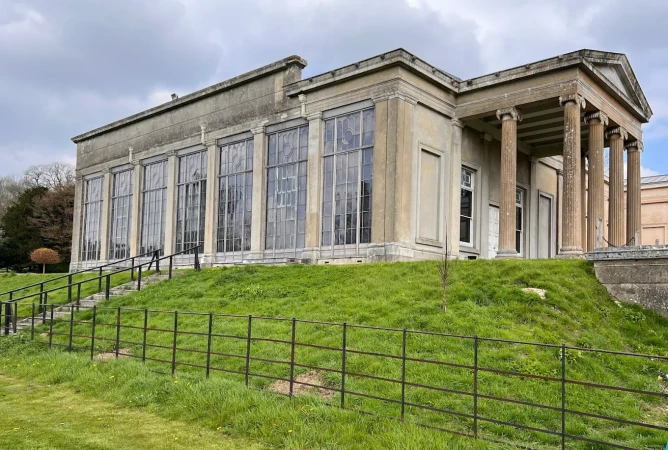
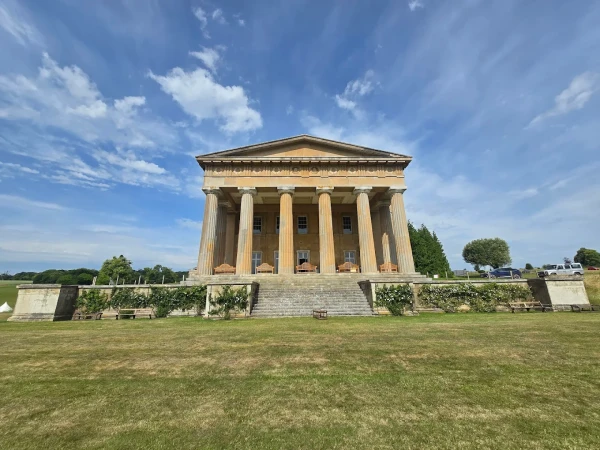
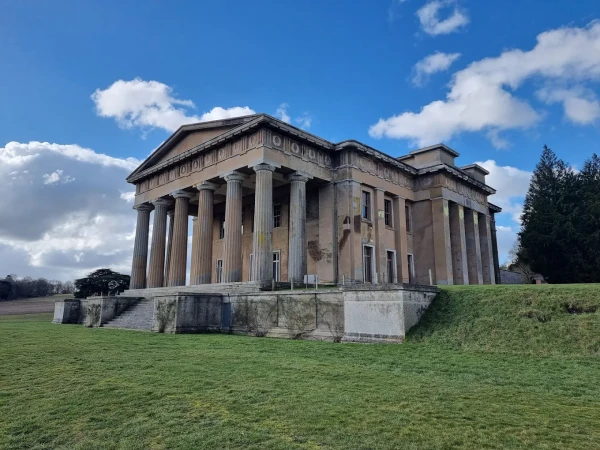
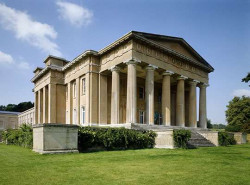
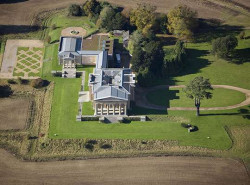
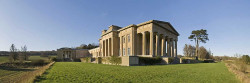
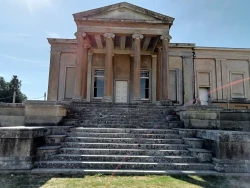
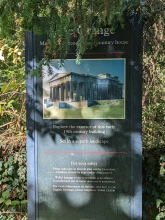
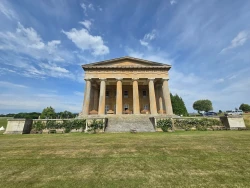
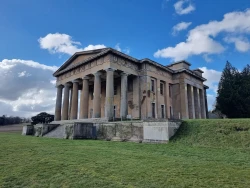
The Grange at Northington set in a landscaped park, The Grange at Northington, Hampshire, is the foremost example in England of Greek Revival architecture. The mansion owes its present appearance to the architect William Wilkins, who, between 1809 and 1816, transformed a modest 17th century brick building into something more like an Ancient Greek temple. 

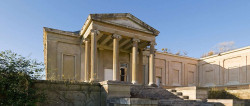
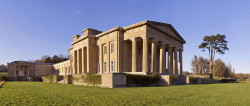
Literally wrapping the house in cement, Wilkins added classical façades, including the striking temple front supported on eight gigantic columns. The Grange at Northington, Hampshire, is one of the finest examples of Greek Revival architecture in Europe. First built in the 1660s as a Palladian brick mansion, it was transformed in the early 19th century into a magnificent neoclassical residence resembling a Greek temple, complete with resplendent Doric portico. 

Free Entry. If you are looking for Best place for day out with kids and families then this is the perfect destination offering fun, adventure, and unforgettable memories for everyone.

Features

  • Free
  • Host birthday parties: No

Features

  • History of The Grange at Northington: The Grange at Northington, Hampshire, is one of the finest examples of Greek Revival architecture in Europe. First built in the 1660s as a Palladian brick mansion, it was transformed in the early 19th century into a magnificent neoclassical residence resembling a Greek temple, complete with resplendent Doric portico. After years of neglect, the house was dramatically saved from demolition in 1975 when it was taken into state care, and now provides a striking venue for an annual festival of opera.
  • The First House: Sir Robert Henley (c.1624–92), a successful lawyer and politician, bought the estate and modest country house known as The Grange in 1662. Three years later, he commissioned the architect William Samwell to build a new impressive residence.
  • The Grange Transformed: The Grange was drastically transformed in the early years of the 19th century. The impulse for the transformation came from the young owner, Henry Drummond (1786–1860), whose grandfather, a successful banker, had bought the house from the Henley family. Rich and impulsive, he wanted to remodel the house in the latest neoclassical style, emulating the architecture of ancient Greek buildings.
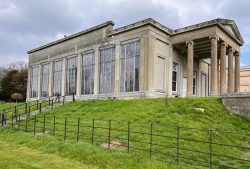
  • Later History: The Grange and its estate were sold in 1933, and the buildings were occupied by the army during the Second World War. In 1964 the family bought the estate back for use as a farm, and in 1969 they obtained planning permission to demolish the now empty house. The public outcry that ensued saved The Grange: the house, conservatory and a small area of pleasure ground were taken into state guardianship in 1975. Today The Grange provides a venue for opera performances, which take place in a custom-built theatre in the conservatory.

Facilities

  • Parking: There is a car park.
  • Dogs: Dogs on leads are welcome but please be aware that the path to the site takes you through land grazed by cattle.

Price

Price: Free

Birthday Parties

Offer Birthday Parties: No

Open daily for exterior viewing only.

Address: Alresford, Hampshire, UK

Post Code: SO24 9TG

Council: Winchester

County: Hampshire

  • Road Access: Located 4 miles North of New Alresford, off B3046 along a farm track – 450 metres (493 yards)
  • Train Access: Winchester 8 miles.
  • Bus Access: Nearest bus service is Velvet Bus 67 to Itchen Abbas or Mervyns Coaches 95, 96 to Lunways Inn then 3 mile walk.
  • Bicycle Access: Find this site on The National Cycle Network.
  • Parking: There is a car park.

0.00

0 Reviews

Rating breakdown

5
80% Complete (danger)
0
4
80% Complete (danger)
0
3
80% Complete (danger)
0
2
80% Complete (danger)
0
1
80% Complete (danger)
0

Get the best blog stories into your inbox!