White Ladies Priory

Shackerley Lane, Codsall Wood, Wolverhampton WV8 1QZ, UK
1-99 Years

Description

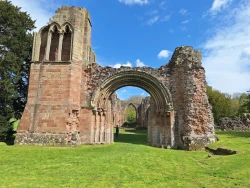
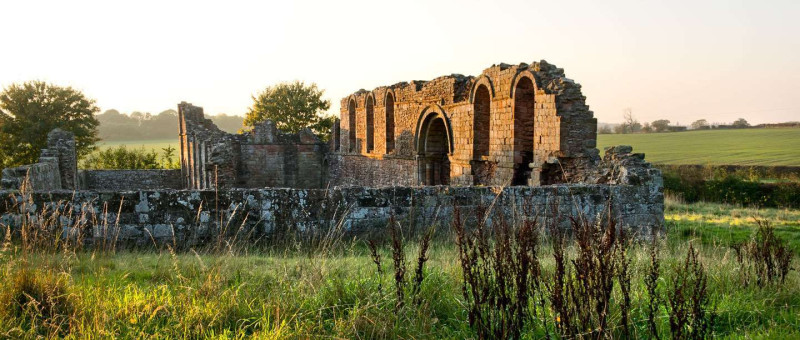
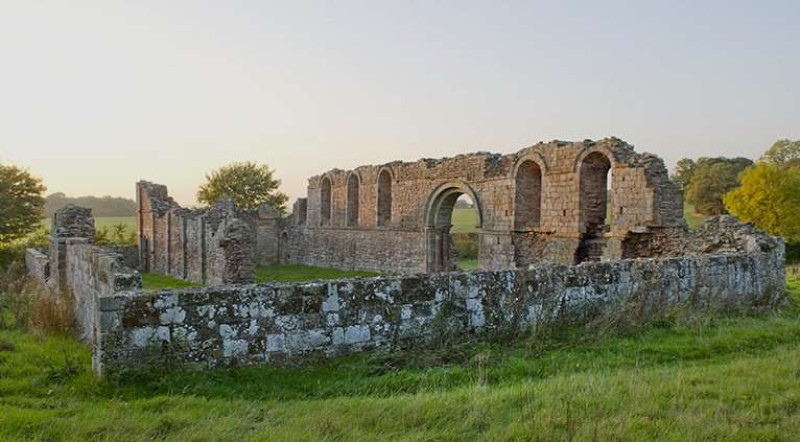
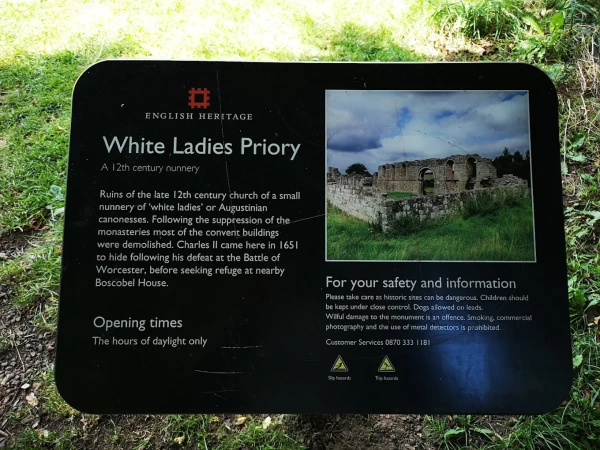
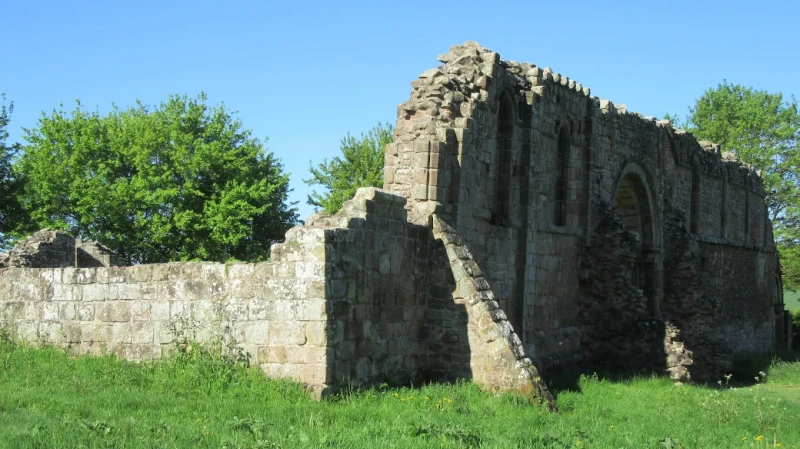
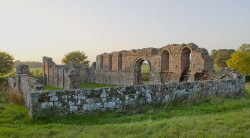
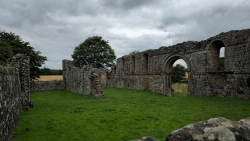
White Ladies Priory The ruins of the late 12th-century church of a small nunnery of ‘white ladies’ or Augustinian canonesses. The priory enjoyed a moment of high drama in 1651 when it briefly became the hiding place of Charles II after his defeat at the Battle of Worcester. Disguised as a woodsman with his face covered in soot, he soon moved to nearby Boscobel House.

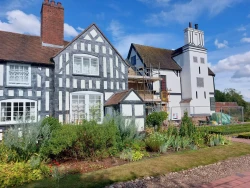
White Ladies Priory was a convent of Augustinian canonesses founded in the late 12th century, dedicated to St Leonard. After an uneventful history it was closed in 1536, in the early stages of the Dissolution of the Monasteries. By 1587 the site of the priory had passed to a branch of the Giffard family, and a timber-framed manor house was built adjoining the priory ruins. 

Free Entry. If you are looking for Best place for day out with kids and families then this is the perfect destination offering fun, adventure, and unforgettable memories for everyone.

Features

  • Free
  • Host birthday parties: No

Features

  • History of White Ladies Priory: White Ladies Priory was a convent of Augustinian canonesses founded in the late 12th century, dedicated to St Leonard. After an uneventful history it was closed in 1536, in the early stages of the Dissolution of the Monasteries. By 1587 the site of the priory had passed to a branch of the Giffard family, and a timber-framed manor house was built adjoining the priory ruins.
  • White Ladies briefly achieved fame when Charles II took refuge there and at nearby Boscobel House, during his escape from Parliamentarian forces after the Battle of Worcester in September 1651. Ruins of the 12th-century church remain on the site.
  • A Mysterious Foundation: The Priory of St Leonard in Brewood was founded in the late 12th century in Brewood Forest, then a remote wooded area. It was a house of Augustinian canonesses, who followed the relatively mild Rule of St Augustine. It was known as White Ladies from the colour of their robes, to distinguish it from the Benedictine convent of St Mary, Brewood, about a mile away, known as the Black Ladies. The Black Ladies were in the manor of Brewood in Staffordshire, held by the Bishop of Lichfield, while the site of the White Ladies – now in the county of Shropshire – found itself in the unusual position of not being in either a parish or a manor at the time.
  • A Poor Community: White Ladies was a small community: it normally had around five nuns and a prioress. They had a chaplain to celebrate Mass, who received a salary of £5 a year. There were probably several lay servants, to do the practical jobs. Over time the nuns were given numerous small pieces of property, in the area south and west of Brewood (in south Shropshire), by a variety of donors. They held the churches at Montford, near Shrewsbury, and at Tibshelf in Derbyshire and Bold in Shropshire. King John gave them a weir on the river Severn. No one ever claimed the patronage of the house, but it may be that the White Ladies had links to the powerful de Lacy family (lords of the manor of Montford), and to the Zouches of Ashby de la Zouch in Leicestershire. 
  • Dissolution and Adaptation: In 1535 when the house was visited by official assessors its revenues were only £31 1s. 4d. Expenses, including the chaplain’s salary, only amounted to £13 10s: evidently the nuns lived very frugally. Its income brought it within the terms of the Dissolution of the Lesser Monasteries Act of 1536, and the house was ordered to be closed in the same year. However, there were still four canonesses in residence in 1538. The last prioress, Margaret Sandford, received a pension of £5. 
  • A Moment of Fame: White Ladies’ one moment of historic fame arrived when the young king Charles II took refuge there after his defeat at the Battle of Worcester on 3 September 1651, in the Third Civil War. Charles was greeted early in the morning of 4 September by John Giffard’s widow, Dorothy, together with George Penderel, ‘a servant of the house’, one of five brothers who worked on the White Ladies and Boscobel estate. They gathered in the hall, and George summoned his elder brother Richard. ‘Mistress Giffard’ gave Charles some sack (dry white wine) and biscuit.
  • Later History: The White Ladies and Boscobel estate was inherited by John Giffard’s granddaughter Jane, who married Basil Fitzherbert, from another Catholic gentry family. Their main residence was at Swynnerton Hall, near Stone in Staffordshire. White Ladies probably passed out of use as a residence by 1700. At some point in the 18th century the house was demolished, and the ruined priory church became used as a Catholic burial place: Dame Joan Penderel, mother to the five brothers, was buried there. By the time the Reverend Williams, Curate of Uffington and Battlefield, visited the place and painteda watercolour of it, in 1791, the main house had been demolished, though the gatehouse still stood, and was occupied as a labourer’s cottage. 
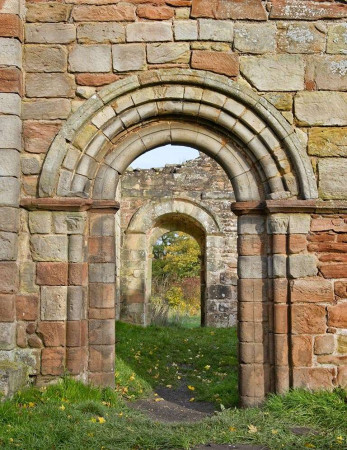
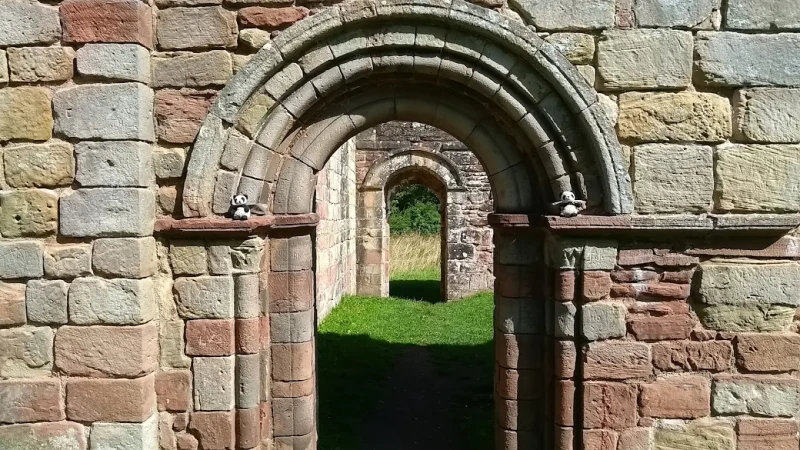
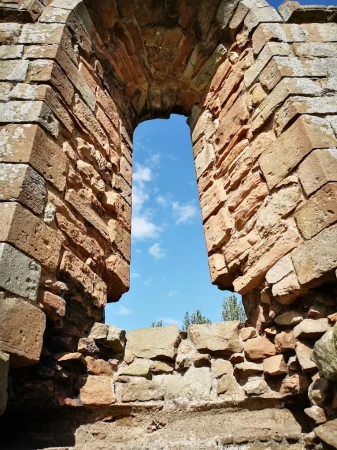
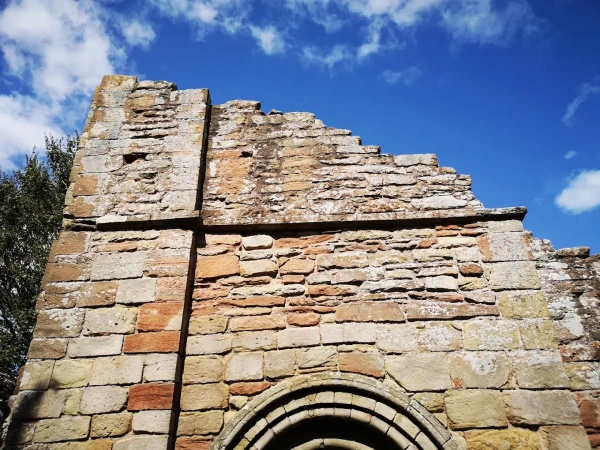
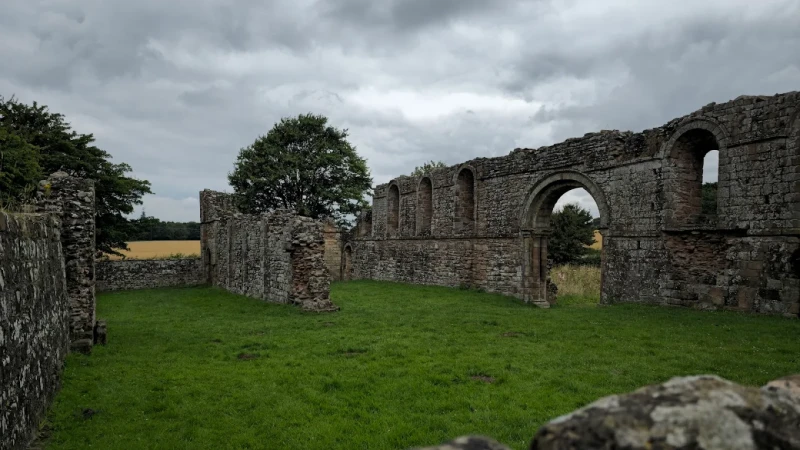
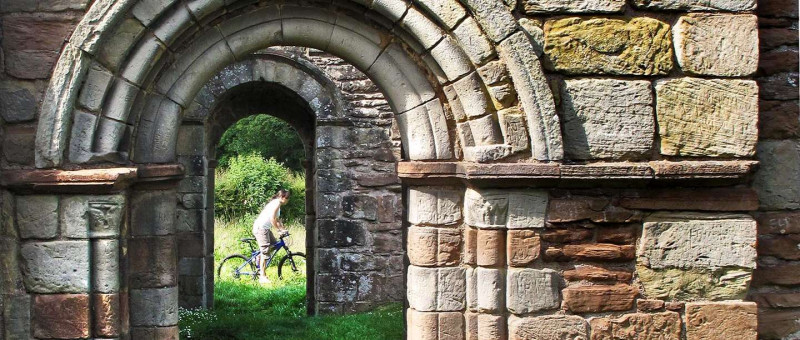
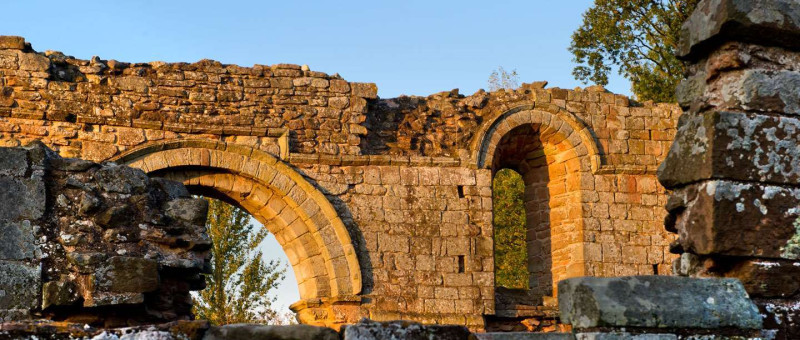
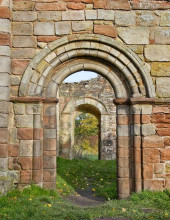
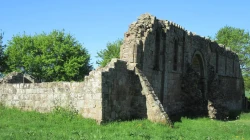
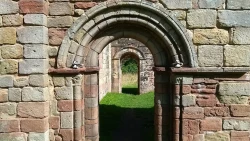
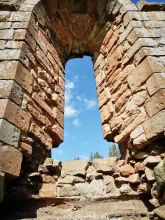
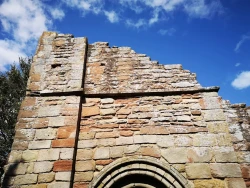
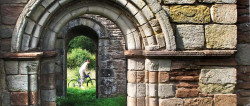
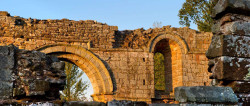
  • The Buildings: The surviving ruins represent most of the shell of the priory church: it was cruciform, about 35 metres long and 8 metres wide, with a five-bay nave, a three-bay chancel and two small transepts, linked to the main space by large arched openings. The walls are of sandstone, in coursed ashlar (square cut stone), and the bays were originally separated by pilaster buttresses. Some fine stonework survives, around the north transept arch, which has scalloped capitals carved with foliage, and around the fine arched doorways in the north and south walls, at the west end of the nave.

Facilities

  • Parking: There is very limited parking in the layby at the end of the track which leads to the priory.
  • Food & Drinks: Boscobel House has a tearoom, a shop and toilets.
  • Dogs: Dogs on leads are welcome.

Price

Price: Free

Birthday Parties

Offer Birthday Parties: No

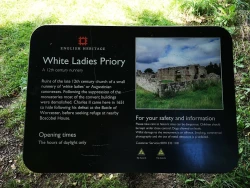
Open any reasonable time during daylight hours.

Address: Shackerley Lane, Codsall Wood, Wolverhampton WV8 1QZ, UK

Post Code: WV8 1QZ

Council: Shropshire

County: Shropshire

  • Road Access: Located 1 mile South-West of Boscobel House off an unclassified road between A41 and A5; 8 miles North-West of Wolverhampton.
  • Bus Access: Coastal Liner 17 (Wed only); Arriva Midlands services 88/88A to Bishopswood then 1 mile walk.
  • Train Access: Cosford 2 1⁄2 miles.
  • Bicycle Access: Find this site on The National Cycle Network.
  • Parking: There is very limited parking in the layby at the end of the track which leads to the priory.

0

0 Reviews

Rating breakdown

5
80% Complete (danger)
0
4
80% Complete (danger)
0
3
80% Complete (danger)
0
2
80% Complete (danger)
0
1
80% Complete (danger)
0

Get the best blog stories into your inbox!