Windmill Hill, Avebury

Manor Farm Cottages, Winterbourne Monkton, Swindon, Wiltshire SN4 9NW, UK
1-99 Years

Description

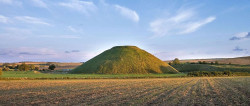
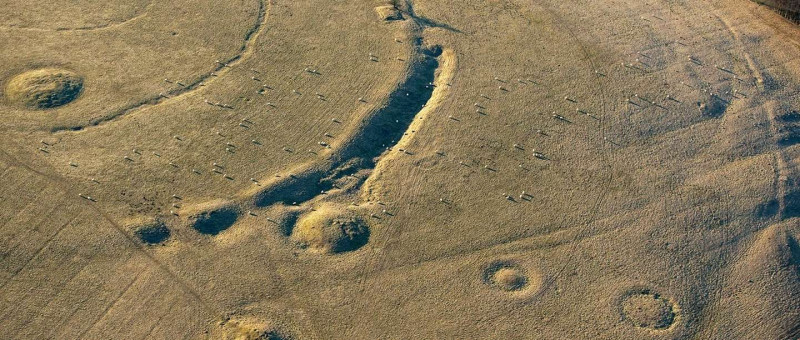
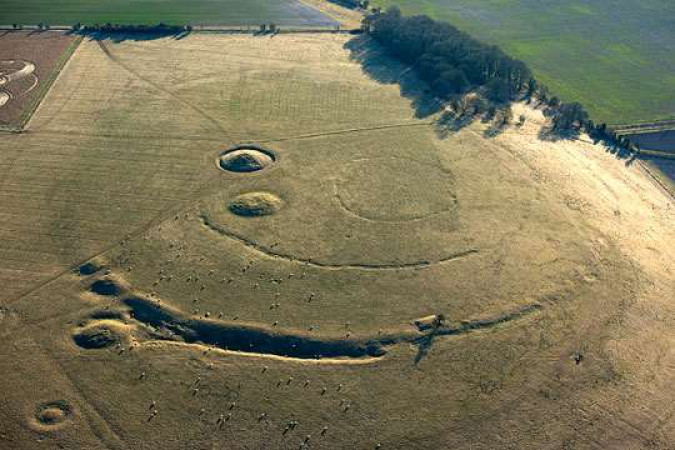
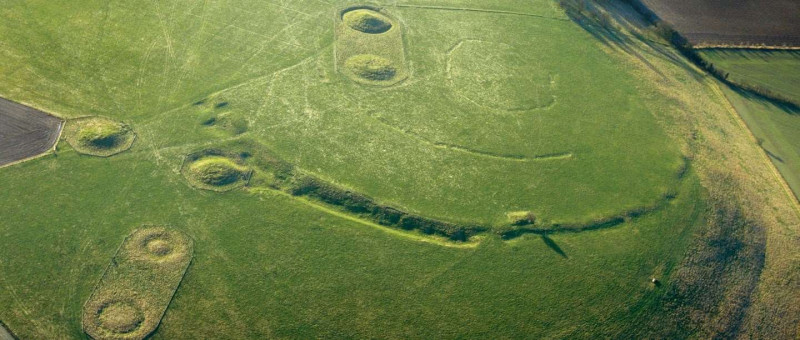
Windmill Hill is a classic example of a Neolithic 'causewayed enclosure', with three concentric but intermittent ditches. Large quantities of animal bones found here indicate feasting, animal trading or rituals, or perhaps all three. It is part of the Avebury World Heritage Site.

Windmill Hill is in the freehold ownership of The National Trust and in English Heritage guardianship. It is managed by The National Trust on behalf of English Heritage, and the two organisations share the cost of managing and maintaining the property. 

Free Entry. If you are looking for Best place for day out with kids and families then this is the perfect destination offering fun, adventure, and unforgettable memories for everyone.

Features

  • Free
  • Host birthday parties: No

Features

  • History of Windmill Hill: Windmill Hill is famous for being one of the first sites excavated to provide evidence of the life of early farming communities in southern Britain. It is also the largest of all known causewayed enclosure sites in Britain.
  • History and Excavations: Its discovery and preservation are due to Alexander Keiller. He bought most of the site in the 1920s (saving it from Marconi, the wireless pioneers, who planned to build a relay station on the summit) and carried out meticulous excavations until the Second World War.
  • His finds came mainly from the three concentric ditches and included flint tools and fragments of early pottery, together with human and animal bones, including the intact skeleton of a young child. Many of these objects can now be seen in the Alexander Keiller Museum at Avebury.
  • From Keiller’s discoveries, and later investigations, it seems that Windmill Hill was built around 3675 BC, when the enclosure was constructed, and remained in use until around 2500 BC.
  • Making the Ditches: The massive effort of digging the three ditches seems to have happened rather spasmodically, perhaps in slack periods of the agricultural year, and perhaps by several different local groups. It has been estimated that at least 62,000 hours were spent in the construction, undertaken over several years as successive ditches were added.
  • Purpose: Large numbers of cattle and sheep were killed or eaten on the site and it is possible that it might have been a place to hold festivals, or a market where animals were slaughtered and artefacts traded. Alternatively, it could have been a site where ritual feasts were held. Perhaps it was all of these things.
  • The rectangular enclosure to the east, contemporary with the circular ditches, has been interpreted as a mortuary enclosure. This was where human corpses were left to be picked clean of flesh, prior to the ritual interment of the skull and principal bones in a chambered tomb such as that of West Kennet nearby.
  • Description: Three concentric rings of ditches circle the hilltop, enclosing an area of 21 acres (8.5 hectares). None of these ditches is continuous as they are broken at intervals by crossing points – hence the term ‘causewayed’.
  • Each ditch would once have been fronted by a bank, though most of these have now disappeared, either through falling back into the ditch or more recent ploughing.
  • From the end of the third millennium BC, Windmill Hill seems to have been largely abandoned. It is possible that a folk memory of the former importance of the site lived on, since the summit of the site later became the focus of a Bronze Age cemetery. The remains of these great tumuli can still be seen although there is little information about their structure or contents.

Facilities

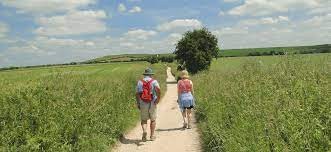
  • Parking: Parking can be found at the National Trust car park at Avebury which is some distance from Windmill Hill. The car park is free for English Heritage members displaying a car sticker. You may be able to find a closer parking spot on a grass verge. Please be aware the track leading to the monument is a narrow, single track with a rough surface and no turning head. The track is in constant use by farm vehicles, so please park with due care to avoid blocking access.
  • Dogs: Sheep may be grazing, so please keep dogs on leads.

Price

Price: Free

Birthday Parties

Offer Birthday Parties: No

Open any reasonable time during daylight hours.

Address: Manor Farm Cottages, Winterbourne Monkton, Swindon, Wiltshire SN4 9NW, UK

Post Code: SN4 9NW

Council: Wiltshire

County: Wiltshire

  • Road Access: 1 1⁄4 miles North-West of Avebury.
  • Bus Access: Stagecoach in Swindon service 49 passes within 3⁄4 mile of the site. Alight between Winterbourne Monkton and Avebury and use footpath.
  • Train Access: Swindon 11 miles.
  • Bicycle Access: Find this site on The National Cycle Network.
  • Parking: Parking can be found at the National Trust car park at Avebury which is some distance from Windmill Hill. The car park is free for English Heritage members displaying a car sticker. You may be able to find a closer parking spot on a grass verge. Please be aware the track leading to the monument is a narrow, single track with a rough surface and no turning head. The track is in constant use by farm vehicles, so please park with due care to avoid blocking access.

0

0 Reviews

Rating breakdown

5
80% Complete (danger)
0
4
80% Complete (danger)
0
3
80% Complete (danger)
0
2
80% Complete (danger)
0
1
80% Complete (danger)
0

Get the best blog stories into your inbox!