Castlelyons Carmelite Priory

Castlelyons Abbey, Main Street, Kill-Saint-Anne South, Castlelyons, County Cork, Ireland
1-90 Years

Description

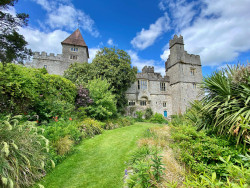
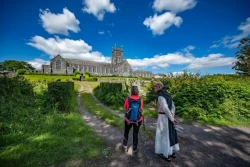
Castlelyons Carmelite Priory is a fascinating, historic 14th-century monastic ruin located in Mohera near Mallow in the countryside of County Cork. It provides a quiet, educational open-air day out and ranks among the most remarkable historical things to do with kids in Cork, introducing families to early medieval monastic structures. The ancient site features extensive standing stone walls, a central crossing tower, and old domestic ranges that bring the dramatic tales of medieval friars, wealthy patronage, and regional history to life.

Admission to this state-owned National Monument in state guardianship is completely free for all adults, children, and families, making it an excellent budget-friendly heritage outing. There are no ticketing counters, mandatory gate entry charges, or spectator fees required to walk around the monument. Families can explore the grassy ruins and examine the ancient architecture at their own leisure without any pre-booked arrival time slots.

If you are looking for an authentic place for a day out with family and kids that combines open-air learning, historic walking routes, and deep historic roots, this priory is a wonderful destination. It beautifully balances centuries-old medieval masonry with a peaceful rural setting where energetic children can visually explore a rare surviving Carmelite layout. Parents will appreciate the calm atmosphere, the high educational value of early Irish church history, and the scenic backdrop for family photos.

Features

  • Free
  • Host birthday parties: No

Features

Features

  • Educational Day Out: The ancient site allows children to visually connect historical timelines, tracing the ruins from their 1308 founding down to the post-medieval era.
  • Interactive Exhibits: The open-air layout and standing walls offer children an unguided, tactile touch exploration of early building techniques and stone layouts.
  • Sensory Play: The peaceful countryside environment provides natural sensory engagement, surrounding children with well-kept grass and calm rural sounds.

Detailed Highlights

  • The 15th-Century West Doorway: The main entrance to the church features a beautiful, pointed-arch cut-stone doorway with multiple deep decorative mouldings. It provides a wonderful visual highlight for children right as they enter.
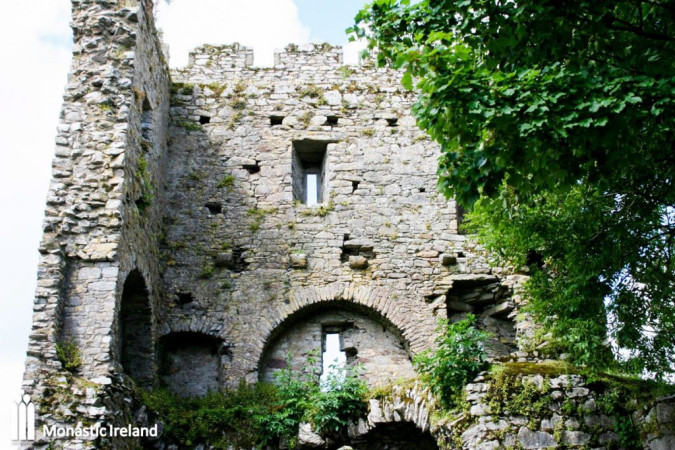
  • The Stocky Central Tower: A low and stocky 15th-century masonry tower that sits straight over the intersection of the nave and chancel. It is so well-built that it historically caused people to mistake the site for a Dominican fortress.
  • The Winding Spiral Staircase: Built directly into the fabric of the three-storey tower is an original, anti-clockwise spiral stone stairwell. It shows kids how medieval builders engineered internal paths through thick masonry.
  • The Historic Holy Water Stoop: Located right inside the west doorway on the left-hand side is an authentic stone basin. It serves as a fantastic tangible detail to demonstrate ancient church customs to younger visitors.
  • The Village Ball Alley Nave: During the mid-19th century, the wide interior nave of the ruined church was famously used by local villagers as an open-air handball alley. This unusual fact always captures the imaginations of older children.

Detailed Inventory

  • The 1308 Foundation Site: The footprint of land granted to the Carmelites by the knight John de Barry under the authority of King Edward II.
  • The 15th-Century Church Nave: The large western gathering space where historic congregations stood to hear the friars preach.
  • The Central Crossing Tower Arch: The low pointed-stone arch separating the main nave from the inner chancel space.
  • The Chancel Stone Altar: The remaining ancient stone altar table structure surviving inside the choir area.
  • The Upper Floor Guest Niches: Small wall recesses inside the first floor of the tower, indicating the room may have housed medieval travelers.
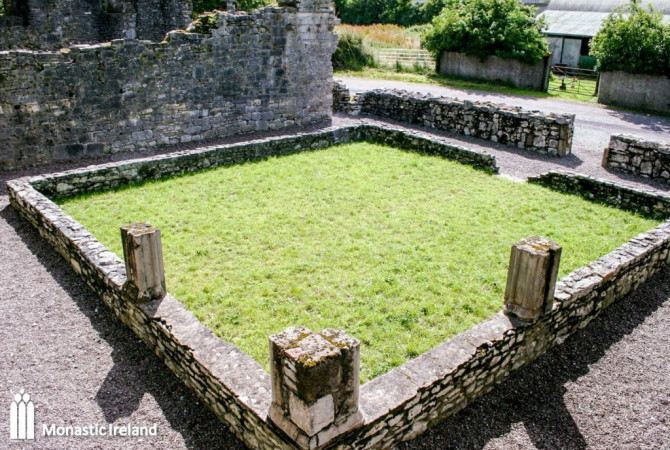
  • The Night Stairs Footprint: The remaining stairs located in the north-west corner of the cloister walk, once used by friars to walk to their dormitory.
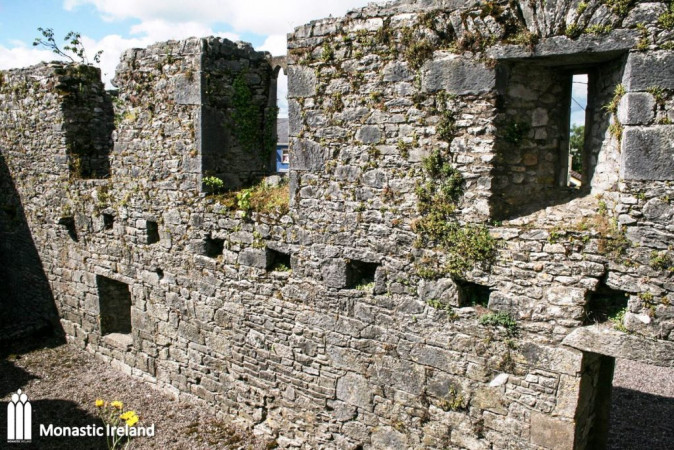
  • The Historic East and West Ranges: Standing remnants of the secondary domestic and residential buildings used by the monastic community.

Facilities

  • Buggy Parking & Accessibility: There is no dedicated indoor pram storage area at this unguided site. While the surrounding grassy areas are flat and easy to access, navigating prams through the medieval stone doorways and uneven interior floors requires extra care.
  • Lockers: There are no secure storage lockers or cloaking desks available at these open ruins. Families should carry light day packs.
  • Food Options: There are no commercial cafes or snack shops on the monument grounds. Families can pack a small lunch for a picnic on the grass or drive into Castlelyons village to explore local eateries and shops.

What to see

What Visitors Love

  • Completely free entry provides great educational and historical value for a quick family pitstop.
  • Having extensive standing remains, like the ranges and tower, allows kids to easily visualize a real medieval monastery.
  • The unusual historical detail of the nave being used as an old-fashioned ball alley adds a fun twist to the history lesson.
  • The quiet, rural location offers a very relaxing and safe open-air atmosphere away from busy city streets.

What Visitors Don't Like

  • The site is unguided and lacks extensive on-site explanatory signs, so parents should read up on the de Barry family before visiting.
  • Parking directly at the site is limited and requires careful maneuvering on rural roads.

Targeted FAQ

  • Is Castlelyons Carmelite Priory worth it for toddlers?: Yes, it is worth a brief stop for toddlers because it features flat, well-kept grassy lawns where they can crawl or walk safely under supervision. While the 14th-century architectural details will be too complex for them, they will enjoy exploring the large open spaces.
  • How long does a visit to the priory take?: A standard family visit usually lasts between 30 and 45 minutes, offering ample time to view the stone ranges, spot the tower niches, and capture family photos.
  • Where is the best place to park for the priory?: Families should utilize the limited public parking spaces located directly outside the main site entrance, ensuring a direct and safe walk onto the grass.

Price

Price: Free

Birthday Parties

Offer Birthday Parties: No

  • Monday to Sunday: Open 24 hours daily
  • Seasonal Access: Accessible all year round, though daylight hours are strongly recommended because the ancient ruins and surrounding paths are unlit at night.

Address: Castlelyons Abbey, Main Street, Kill-Saint-Anne South, Castlelyons, County Cork, Ireland

Post Code:

Council: Cork County Council

County: County Cork

  • By Bus: Local and regional bus links, including the TFI Local Link Line 363 service, operate regular daily schedules that stop at Castlelyons station.
  • By Car & Parking: Located at Mohera near Mallow in Castlelyons, County Cork. Limited public car parking is available directly at the monument site. From the designated parking spaces, families can safely pass through the main boundary entry straight onto the well-kept grassy lawns surrounding the western facade.

0

0 Reviews

Rating breakdown

5
80% Complete (danger)
0
4
80% Complete (danger)
0
3
80% Complete (danger)
0
2
80% Complete (danger)
0
1
80% Complete (danger)
0

Get the best blog stories into your inbox!