Description
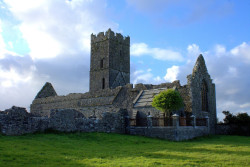
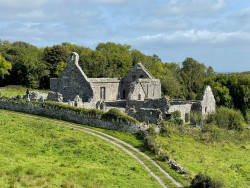
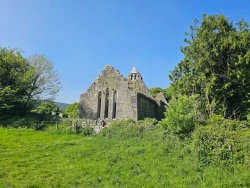
Dysert O'Dea Monastery is an exceptional archaeological destination that serves as a fascinating portal into early Christian Ireland. Set within a landscape rich with historical ruins near Corofin village, this ancient monastic site provides an educational and evocative outdoor environment for families traveling through County Clare. It stands as an important, multi-layered national monument featuring historic stone structures that span hundreds of years, making it a premier regional stop for curious young minds.
While visiting this protected historic landmark is completely free, planning a full family day out in the scenic North Clare region with transport and local food typically fits an affordable budget of under £30. There are no paid tickets or restrictive entry booking fees required to access the primary open-air monastic grounds, allowing you to pull up and explore the early ruins at your own pace. It offers a practical and budget-friendly stopover for families wishing to introduce their kids to early Irish heritage.
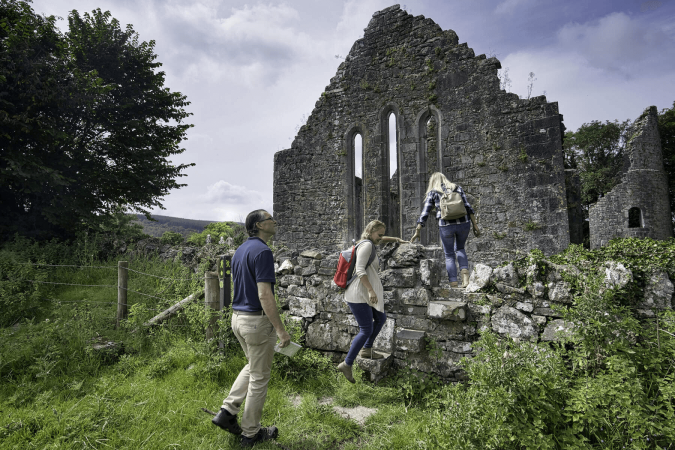
If you are looking for the best things to do with kids in County Clare that combine ancient history, outdoor fresh air, and rural Irish culture, this state-owned national monument is an ideal choice. Walking among these historic monuments allows children to stand directly beside architectural landmarks built in the 12th century, sparking their imagination about early monastic daily life. The quiet rural village atmosphere also provides a peaceful environment for an authentic, self-guided family walk.
Features
- Free
- Host birthday parties: No
Features
Key Features
- Ancient Monastic Footprint: The historic remnants of an early Christian hermitage traditionally founded by Saint Tola in the 8th century.
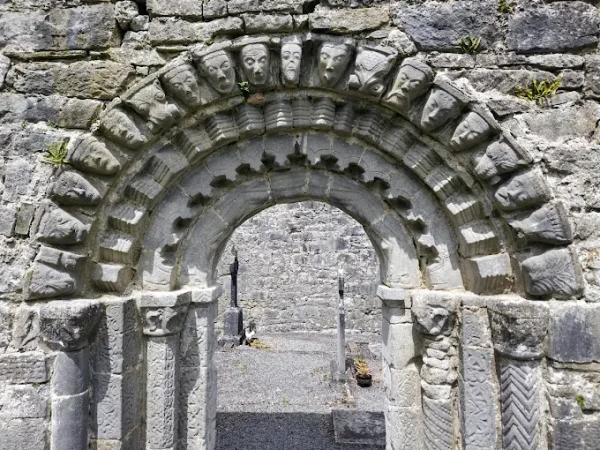
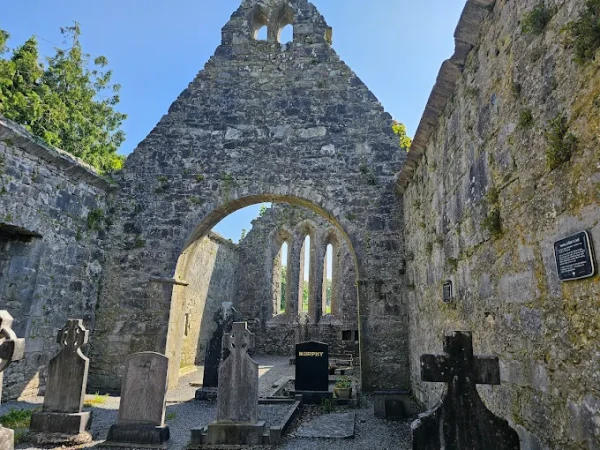
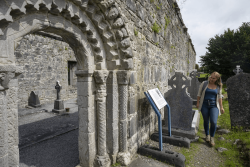
- Intricate Stonework Designs: A beautifully preserved 12th-century church building displaying highly celebrated Romanesque architectural details.
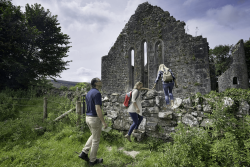
- The Archaeological Trail: Access to a broad landscape featuring multiple original field monuments scattered along a scenic walking path.
Site Highlights
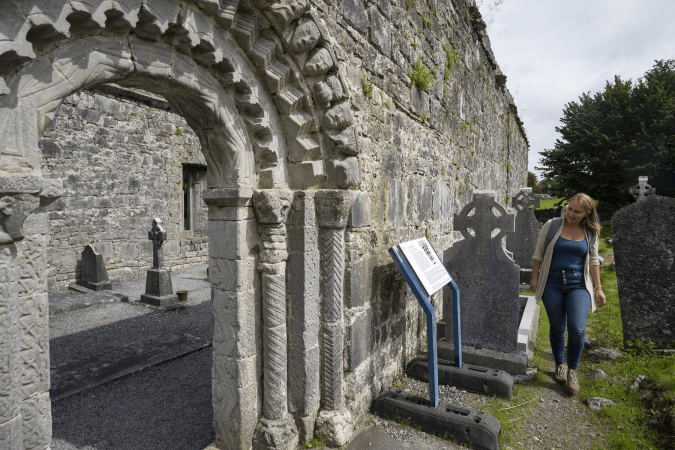
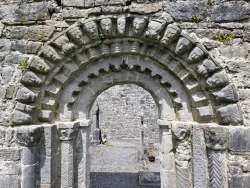
- The Elaborate Romanesque Doorway: This world-famous stone entrance is located on the south wall of the main church ruins. The structural highlight is dominated by its outer arch which features 19 intricately carved human and animal heads. Children love examining the distinct stone faces, which serve as an excellent visual tool for parents to discuss early medieval art and storytelling.
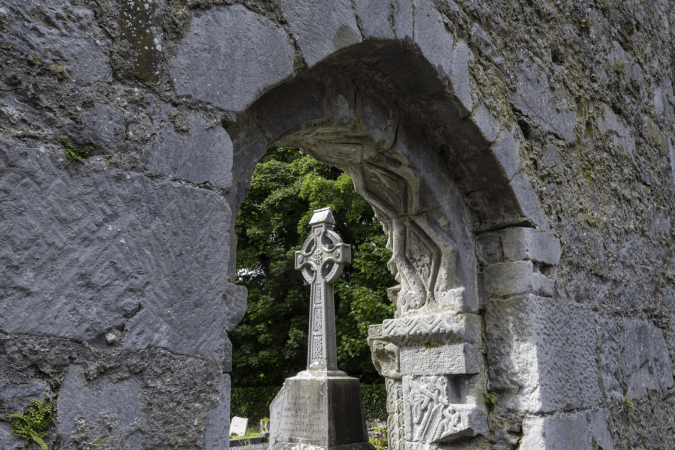
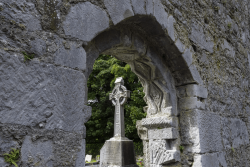
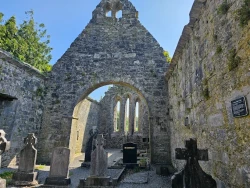
- St. Tola's High Cross: Standing tall at the entrance to the church grounds, this 12th-century stone cross reaches a height of 12 feet on its rebuilt base. The east face displays a prominent figure of Christ on the cross with a carved bishop positioned directly beneath him. Kids enjoy hunting for the geometric designs, human figures, and animal interlacing carved into the side panels.
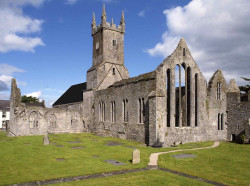
- The Defensive Round Tower: Positioned close to the main church, this historic 12th-century stone tower tells a unique story of adaptation. It was originally built as a traditional monastic belfry but was later converted into a defensive fortification during the 16th century. Today it stands at roughly 60 feet tall, providing a wonderful talking point about how ancient buildings changed roles over time.
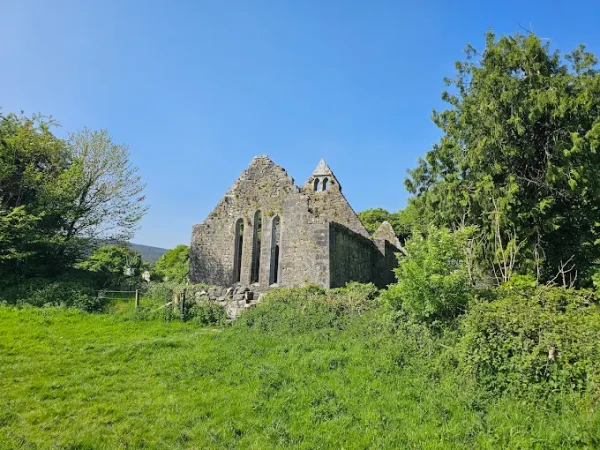
- The Ancient Church Nave and Choir: Walking through the stone-lined interior of the ruined church allows families to see how sacred spaces were designed centuries ago. The church eventually fell into severe disrepair during regional conflicts but was historically reconstructed in 1683. Peering into these structured rooms helps older children understand early building styles and historic conservation.
- The Surrounding Fields and Basestones: The large stone base supporting the high cross was constructed using the original corners of the church building. Walking around the exterior perimeter allows families to appreciate the scale of the early hermitage layout. It provides a great space for kids to stretch their legs while tracking the ancient boundaries.
Beyond the Main Attraction
- Dysert O'Dea Castle & Clare Archaeology Centre: Located just a short walk from the monastery, this authentically restored 15th-century Gaelic tower house features four floors of local history exhibits, artifacts, and a roof wall walk with panoramic country views (seasonal admission fees apply).
- Ennis Friary: Situated approximately 9.1 km southeast in Ennis town, this mediaeval Franciscan friary ruin features exquisite Renaissance stone carvings and beautiful atmospheric arches.
- The Burren National Park: Located a short drive north, this world-famous limestone landscape offers unique hiking trails, rare flora, and excellent outdoor family adventures.


 15.26 miles