Lacock Abbey

Lacock Abbey, Lacock, Chippenham, Wiltshire SN15 2LG, UK
1-99 Years
Paid

Description

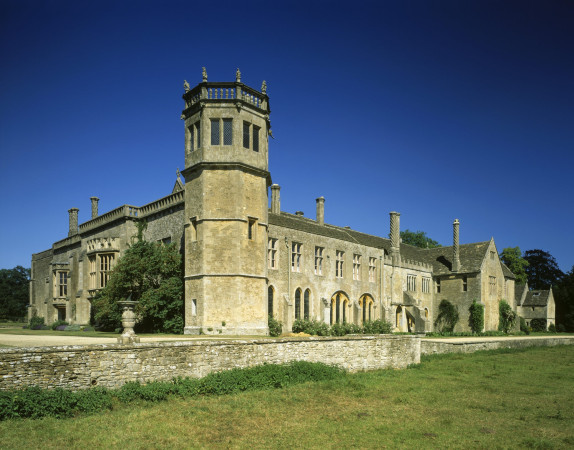
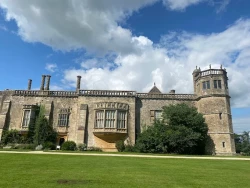
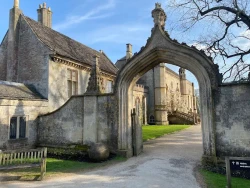
Lacock Abbey is a historic country house in Wiltshire with an 800-year history. Originally founded as a convent in the 13th century, it later became a family home for the Sharington and Talbot families. It is also renowned as the place where the first photographic negative was created in 1835.

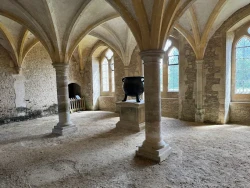
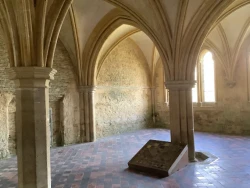
Visitors can explore the medieval cloisters, historic rooms and woodland grounds built on the foundations of a former nunnery. The Fox Talbot Museum celebrates William Henry Fox Talbot and the history of photography, alongside changing exhibitions. The site also includes beautiful gardens, a 14th-century tithe barn, and the picturesque village of Lacock with timber-framed houses and independent shops.

Winter and Spring pricing options are available, with adult tickets ranging from £15.40 / £14.00 (Winter) to £23.10 / £21.00 (Spring), and family and group tickets also offered. Different ticket types include Cloister, Museum and Gardens (Winter) and House and Cloister, Museum and Gardens (Spring).

With its rich monastic roots, photographic heritage and peaceful gardens, Lacock Abbey offers a unique journey through history. From rare medieval treasures to the story of early photography, there is something to discover in every corner. It is an ideal place for history lovers, garden enthusiasts and families looking for a cultural day out in Wiltshire.

Features

  • Paid
  • Host birthday parties: No

Features

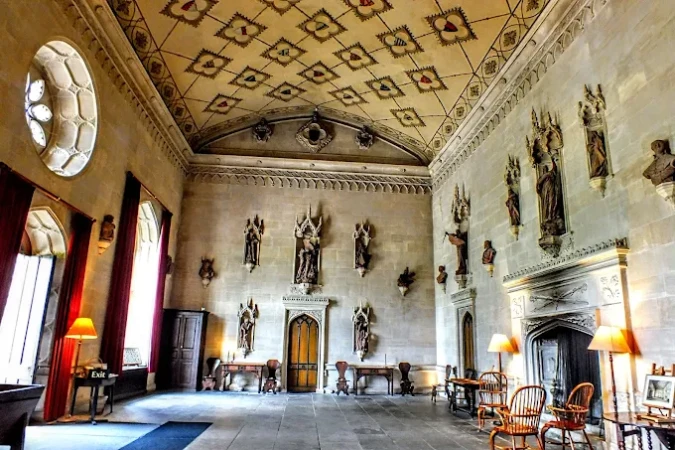
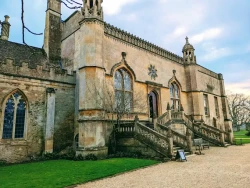
The Abbey, located at the heart of the village within its own woodland grounds, is a country house of various architectural styles, built upon the foundations of a former nunnery. Visitors can experience the atmosphere of the medieval rooms and cloister court, giving a sense of the Abbey's monastic past. The museum celebrates the achievements of former Lacock resident, William Henry Fox Talbot, famous for his contributions to the invention of photography.

  • House: A country house with monastic roots and original medieval cloister, once home to William Henry Fox Talbot, photographic pioneer.
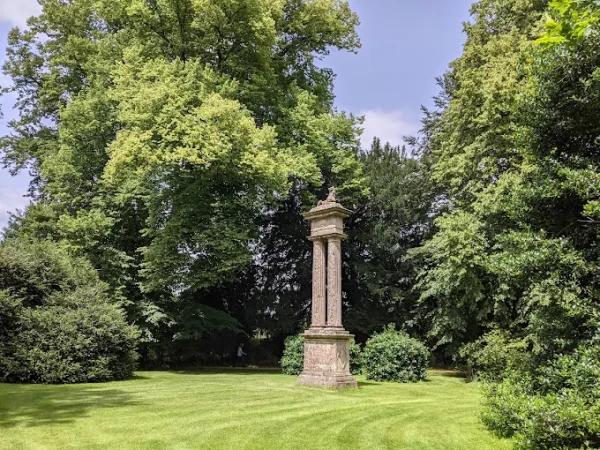
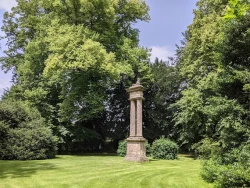
  • Garden: The garden at Lacock combines meandering paths through woodland and parkland with a historic Rose Garden, orchard and William Henry Fox Talbot's Botanic Garden.
  • Museum and gallery: The Fox Talbot Museum explores the history of photography, and Lacock's role within it, and hosts changing photography exhibitions.
  • Lacock village: A quintessential English village little changed in 200 years with streets lined with timber-framed houses and independent shops.
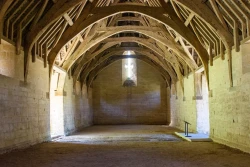
  • Tithe Barn: A 14th-century tithe barn in Lacock village.

Facilities

  • Parking: Follow the signs to the Hither Way car park less than 400 metres from Visitor Reception. Electric vehicle charging available in the Hither Way Car Park.
  • Bookshop: The second hand bookshop is located within the historic courtyard.
  • Plant shop: Plants, pots and decorative garden ware can be found by Visitor Reception on entrance to the abbey.
  • Shop: The National Trust gift shop can be found in a beautiful listed building on Lacock's picturesque High Street, selling gifts and souvenirs as well as a range of local artisan products. Find a range of photography books and souvenirs in The Fox Talbot Museum.
  • Tea-room: The tea-room in the courtyard sells light snacks, hot drinks and cakes. Please check opening times before travelling.
  • Food & Drinks: The Stables Cafe in the village sells light lunches, snacks, hot drinks and cakes and is open weekdays and weekends.
  • Toilets: There are toilets located within the courtyard in the abbey grounds, and by the Stables Cafe in the village.

What to see

Treasures to see at Lacock Abbey

  • A 14th-century handwritten book: We know very little about the everyday world of the nuns at Lacock Abbey. However, one of the most important books in the collection gives a remarkable and rare glimpse into how they might have lived their lives. The book, Expositiones Vocabulorum Bibliae, was written by William Brito – sometimes known as Guillaume le Breton – in the 14th century. Written in Latin on parchment, it's an alphabetical list of difficult words in the Bible, giving explanations, origins and etymologies.
  • Lacock Abbey and the wool trade: The book, which is handwritten in several different hands, was rebound using 13th-century parchment scraps from the Abbey’s financial accounts. Those fragments record both expenses and receipts, including the sale of wool. This was an important trade in Lacock and provided an income for the abbey. 
  • Surviving King Henry VIII: It's one of very few monastic books to survive the Dissolution of the Monasteries under King Henry VIII in the 1530s and still be in its original location – the others are all in cathedral libraries. The Brito was brought back to the abbey after the National Trust acquired it at auction in 2011. 
  • A Tudor stone table: When Lacock Abbey became a private home after the Dissolution of the Monasteries, its Tudor owner was keen to show off his wealth and sophistication. Sir William Sharington extensively remodelled the former nunnery and commissioned a distinctive stone table to fit his new octagonal tower. This table is the centrepiece of the tower’s middle storey, or ‘Strong Room’, a place to display treasured objects and to study.
  • The carving details: The decorative Purbeck marble top is shaped as an octagon to mirror the shape of the tower. The table top is supported by four crouching, leering satyrs (half-man, half-goat), who balance baskets of fruit upon their heads. Standing on a cross-shaped base, they're carved from a hard-wearing oolitic limestone.  
  • Tudor stone carver: The table is attributed to the stone carver John Chapman. Chapman worked for the leading figures of the Protestant regimes of King Henry VIII and Edward VI, including Sir John Thynne (c.1515-80) at Longleat estate, also in Wiltshire.  
  • How to view the table: You can view the table from all sides thanks to its unique position in the octagonal tower. Look out for the initials of the owner hidden within the distinctive scorpion-shaped badge. 

Price

Price: Paid

Price Details

Winter: Cloister, Fox Talbot Museum and Gardensz (With Gift Aid / Without Gift Aid)

  • Adult: £15.40 / £14.00
  • Child (5–17): £7.70 / £7.00
  • Family (2 Adults + up to 3 Children): £38.50 / £35.00
  • 1 Adult + up to 3 Children: £23.10 / £21.00
  • Group (Adult 18+): £13.30
  • Group (Child 5–17): £6.65

Spring: House and Cloister, Museum and Gardens (With Gift Aid / Without Gift Aid)

  • Adult: £23.10 / £21.00
  • Child (5–17): £11.60 / £10.50
  • Family (2 Adults + up to 3 Children): £57.80 / £52.50
  • 1 Adult + up to 3 Children: £34.70 / £31.50
  • Group (Adult 18+): £19.95
  • Group (Child 5–17): £9.98

Pricing URL: https://www.nationaltrust.org.uk/visit/wiltshire/lacock

Birthday Parties

Offer Birthday Parties: No

  • Abbey grounds: 10:00 - 17:00
  • Car park: 09:00 - 5pm/dusk if earlier
  • Abbey rooms: 10:30 - - Last entry 15:45
  • Abbey cloisters: 10:15 - 16:45
  • Fox Talbot Museum: 10:00 - 17:00
  • Courtyard tea-room: 10:00 - 15:30
  • Stables café: 10:00 - 17:00
  • Shop: 10:00 - 17:00
  • Second-hand bookshop: 10:00 - 16:30

Address: Lacock Abbey, Lacock, Chippenham, Wiltshire SN15 2LG, UK

Post Code: SN15 2LG

Council: Wiltshire

County: Wiltshire

  • By Car: 3 miles south of Chippenham. M4 exit 17, signposted to Chippenham (A350). Follow A350 (signposted Poole/Warminster) until you reach Lacock. Sat nav: SN15 2RQ for directions to the car park. Electric Vehicle charging points available.
  • Parking: Parking available in the Hither Way car park. Please display a parking ticket from the machines: members need to show a membership card, while non-members need to pay £5 either by card or using the Just Park app. Once parked, follow the signs 200 yards to entrance. 
  • By Bus: Faresaver X34/Chippenham to Frome (passing Melksham train station, close Chippenham train station and close Trowbridge train station) 
  • By Train: Melksham 3 miles; Chippenham 3½ miles

5.00

0 Reviews

Rating breakdown

5
80% Complete (danger)
0
4
80% Complete (danger)
0
3
80% Complete (danger)
0
2
80% Complete (danger)
0
1
80% Complete (danger)
0

Get the best blog stories into your inbox!