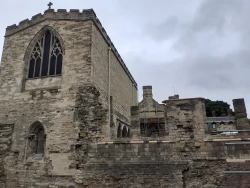
Lincoln Medieval Bishops' Palace

Description

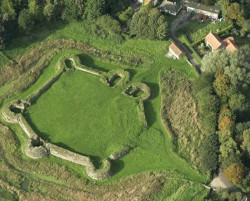
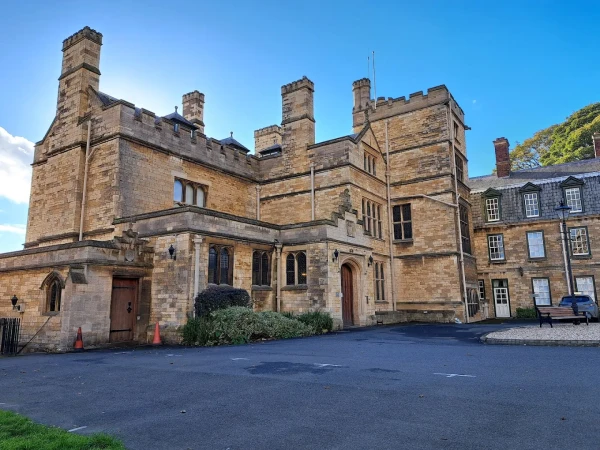
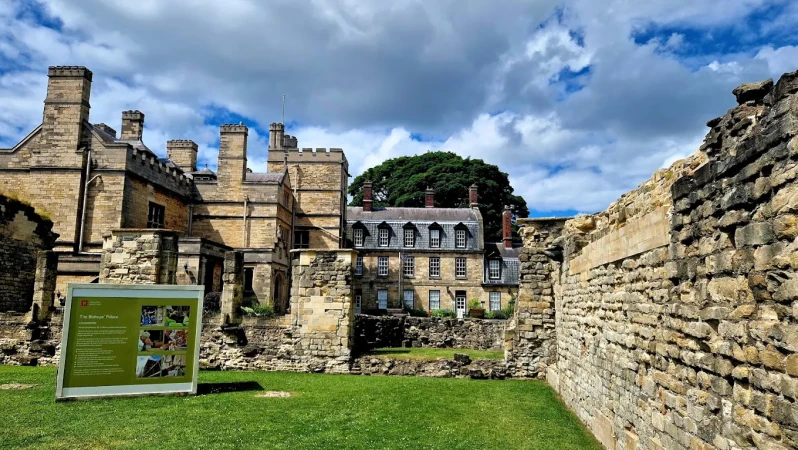
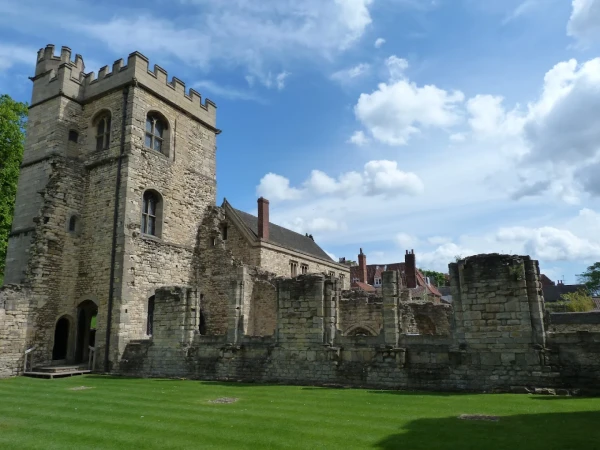
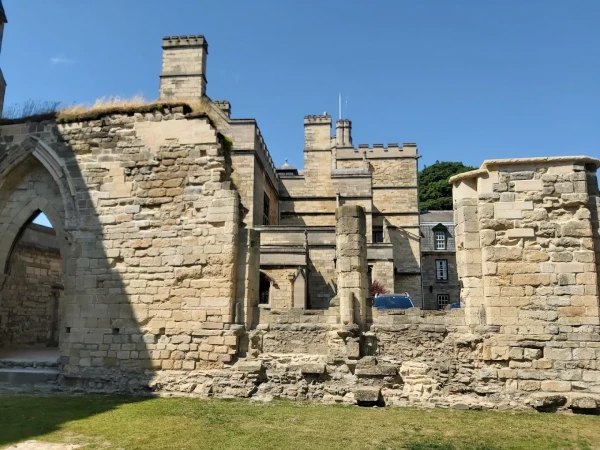
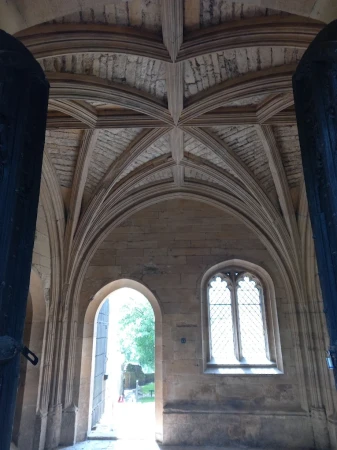
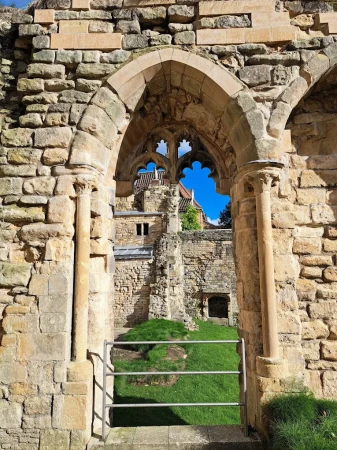
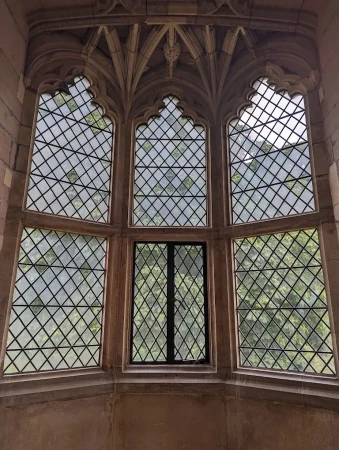
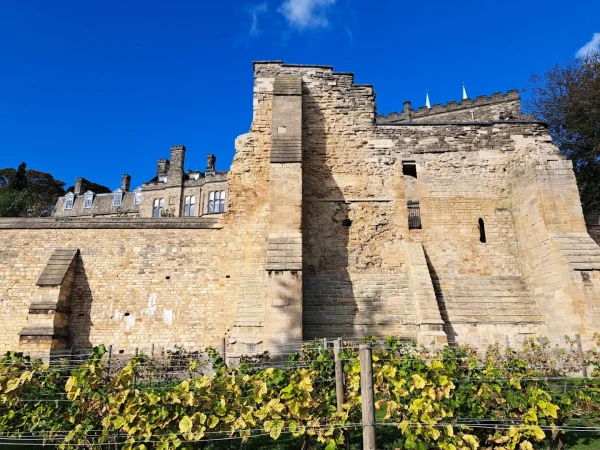
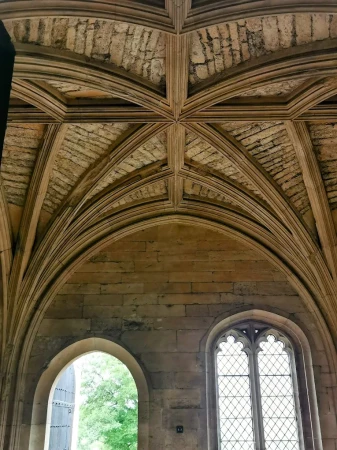
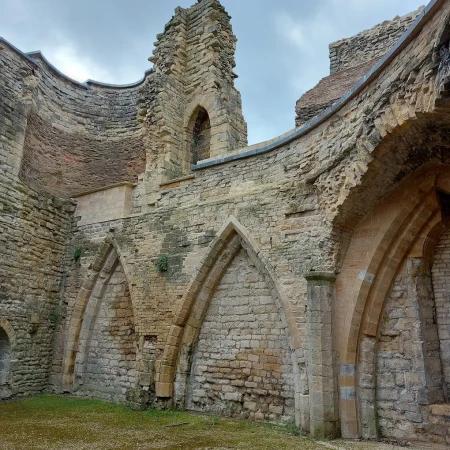
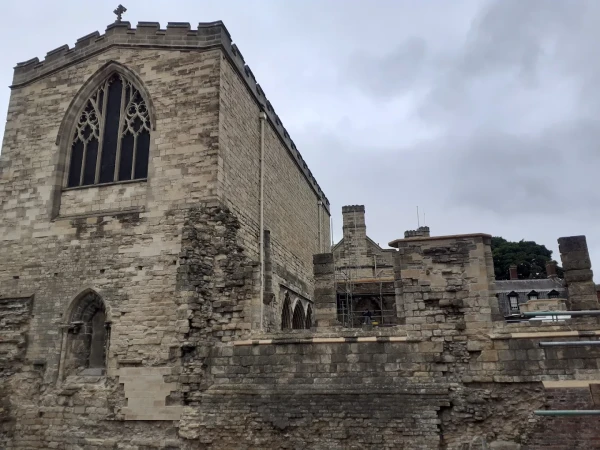
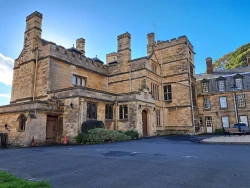
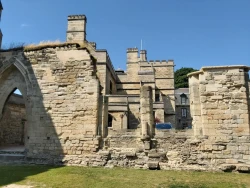
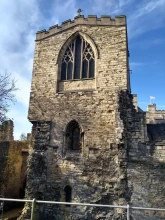
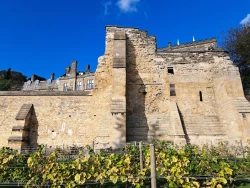
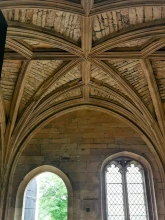
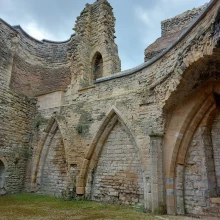
Lincoln Medieval Bishops' Palace The extensive remains of a great medieval bishops’ palace stand in the shadow of Lincoln Cathedral, at the heart of the ancient city. In 2023, we completed a £2.5 million conservation project to conserve its stonework and make more of it accessible to visitors. 

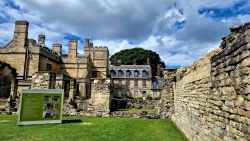
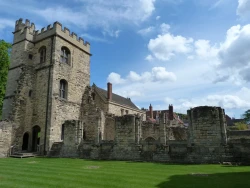
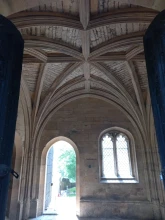
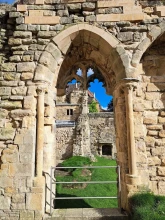
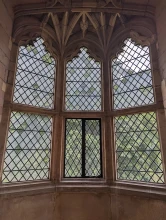
A film, exhibition and audio tour reveal how Lincoln’s Medieval Bishop’s Palace was used and lived in for five centuries. Wander through the ruins and you’ll see how stonework has been painstakingly repaired, vegetation cleared away and walls soft-capped with turf to prevent further damage. Don’t miss the hill-top terraced garden and vineyard, offering wonderful views over Lincoln and the surrounding countryside.

If you are looking for Best place for day out with kids and families then this is the perfect destination offering fun, adventure, and unforgettable memories for everyone.

Features

  • Free
  • Host birthday parties: No

Features

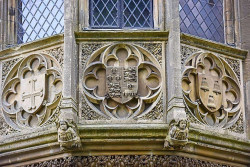
  • History of Lincoln Medieval Bishops’ Palace: The medieval palace of the bishops of Lincoln was one of the finest and most important domestic buildings anywhere in medieval England. Together with the nearby cathedral and royal castle, it would have dominated the hilltop at Lincoln, forming a landscape of piety and power. For seven centuries this was the bishops’ main residence, from which they ran their vast diocese, which extended from the Humber to the Thames. Many of these men – among the most powerful people in the English Church – left their imprint on the palace buildings. Though much of the palace was left in ruins after damage caused during the English Civil War, enough survives to glimpse its former magnificence.
  • Early history: Lincoln became the seat, or base, for a bishop in 1072, when Bishop Remigius of Fécamp moved his seat from Dorchester-on-Thames to the hilltop there. Just six years after William the Conqueror’s great victory at the Battle of Hastings in 1066, this was a time of great upheaval in the governance of England. This included reforms in the administration of the Church and the construction of imposing cathedrals.
  • St Hugh: Lincoln was struck by disaster in 1185, when an earthquake destroyed the cathedral and possibly also the palace. The following year, Hugh of Avalon, an austere Carthusian monk known to history as St Hugh of Lincoln, was appointed bishop. 
  • The 13th and 14th centuries: The west hall and its associated kitchen and brewhouse were completed by Bishop Hugh of Wells (1209–35). In 1233 Henry III gave him permission ‘to dig and take stone in the ditch of the city near his house for the building of his house at Lincoln’. 
  • Bishop William Alnwick: The palace then remained largely unchanged until the middle of the 15th century. This was a time when bishops and heads of monasteries across the land were investing in ecclesiastical architecture to indicate their piety, wealth and power.
  • Reformation: The last medieval works at the palace were undertaken by Bishop William Smith (or Smyth; 1495–1514). He built the outer gate that spanned the road leading from the cathedral close (where the cathedral’s clergy had their houses) to the palace.
  • Civil War: Bishop Williams’s work was never completed, however, because the repairs were overtaken by the onset of the Civil War between King Charles I and Parliament in 1642. 
  • Decay and rediscovery: The site suffered further damage in 1726 when stonework was removed from the ruins to repair the cathedral. The 14th-century west range, however, remained in occupation and was modernised to provide a fashionable Georgian residence. 
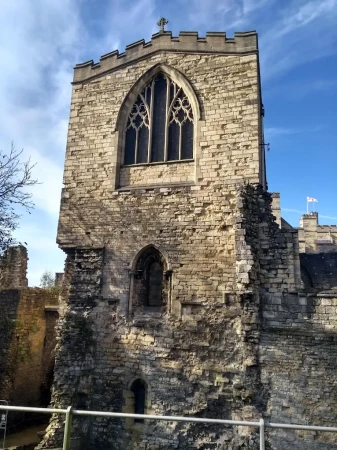
  • The 19th and 20th centuries: The bishops of Lincoln returned to the site of the palace in the mid 19th century. In 1878, Bishop Alnwick’s Tower was restored to provide lecture rooms for the recently established Lincoln Theological College.
  • Renovations and repairs: Between 2021 and 2023, English Heritage carried out a major programme of repairs and conservation, to halt the decline of the stonework and safeguard the buildings for the future.
  • Gardens: Relax and enjoy the unique contemporary Heritage Garden, designed by Mark Anthony Walker, a haven of peace and tranquillity.

Facilities

  • Parking: Strictly no parking at site. Limited short-term free parking is sometimes available around the cathedral. There are plentiful charged public car parks nearby.
  • Food And Drink: A vending machine serves coffee, tea and hot chocolate.
  • Toilets: There is one accessible toilet.
  • Dogs: Dogs are allowed on leads.

Price

Price: Free

Birthday Parties

Offer Birthday Parties: No

This site is currently closed.

Address: Minster Yard, Lincoln, UK

Post Code: LN2 1PU

Council: Lincoln

County: Lincolnshire

  • Road Access: On the south side of Lincoln Cathedral. From the cathedral precinct gate, follow the wall to your right to the gateway directly opposite the cathedral’s south porch and continue until you meet the road. Then turn right and continue through the archway.
  • Bus Access: Find all buses to and from the city of Lincoln at lincolnbus.co.uk. It’s a 15-minute walk to the Bishop’s Palace from Lincoln City bus station.
  • Train Access: Lincoln train station is a 15-minute walk from the Bishop’s Palace.
  • Bicycle Access: Find your cycling route to Lincoln Medieval Bishop’s Palace at sustrans.org.uk, the National Cycle Network.
  • Parking: Strictly no parking at site. Limited short-term free parking is sometimes available around the cathedral. There are plentiful charged public car parks nearby.

0

0 Reviews

Rating breakdown

5
80% Complete (danger)
0
4
80% Complete (danger)
0
3
80% Complete (danger)
0
2
80% Complete (danger)
0
1
80% Complete (danger)
0

Get the best blog stories into your inbox!