Description
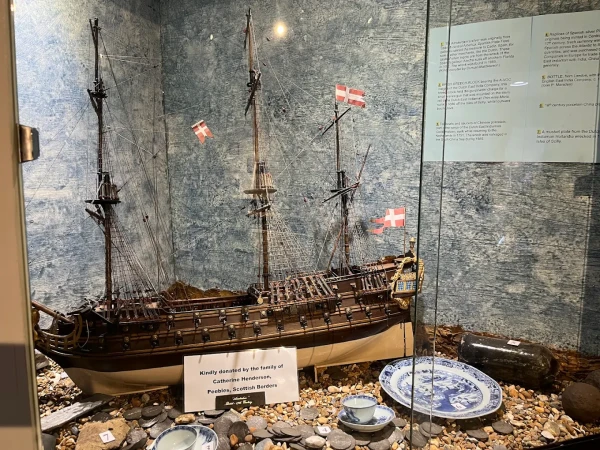
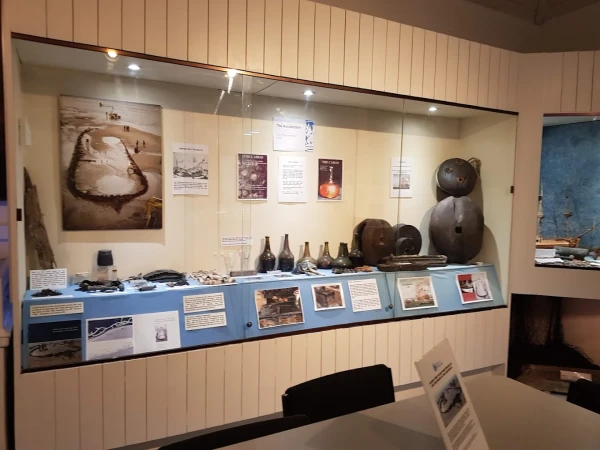
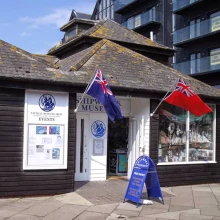
The Shipwreck Museum is an exceptional maritime heritage hub that stands out as one of the best things to do with kids in Hastings. Located right on the historic fishing beach, this unique maritime museum brings maritime history to life through actual treasures recovered from the seabed of the English Channel. It operates as a highly engaging, independent museum that introduces children to stories of lost merchant ships, dramatic rescues, and centuries-old marine archaeology.
Admission to the museum is completely free for both adults and children, offering an exceptionally affordable choice for family days out on the East Sussex coast. A major financial benefit of your visit is that the museum does not enforce spectator fees or hidden costs, allowing families to explore extensive collections of maritime artifacts without worrying about extra expenses.
If you are looking for the best place for a day out with family and kids that blends local maritime history with real archaeological discoveries, the Shipwreck Museum is a fantastic choice. It provides an inspiring, educational indoor space where children can explore maritime relics, view fossilized coastal remains, and get up close to genuine shipwreck treasures, making it a reliable and budget-friendly coastal destination.
Detailed Collection Inventory
The Dutch East Indiaman Amsterdam Collection
- The 1749 Bronze Ship Cannon: A beautifully preserved, authentic bronze ordnance piece salvaged directly from the quicksands where the Amsterdam remains buried.
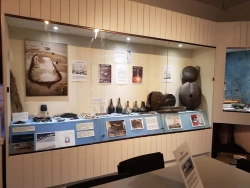
- Preserved 18th-Century Provisions: Intact glass storage jars, clay smoking pipes, and sealed bottles containing liquid remnants from the ship's final voyage.
- Personal Trade Goods: Pocket-sized horn combs, small pewter spoons, and silver coins carried by the crew of the Dutch East India Company.
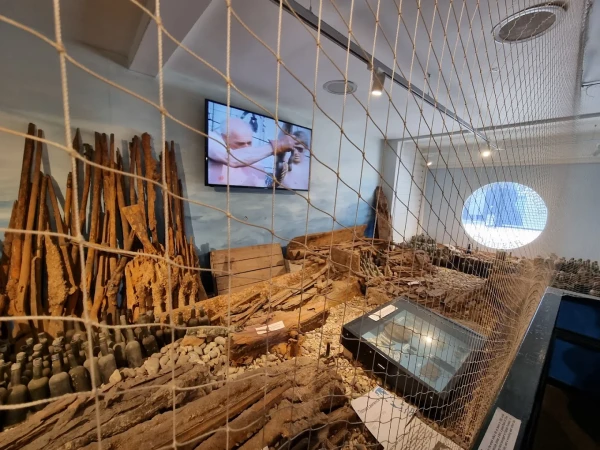
The 17th-Century Royal Navy Anne Archive
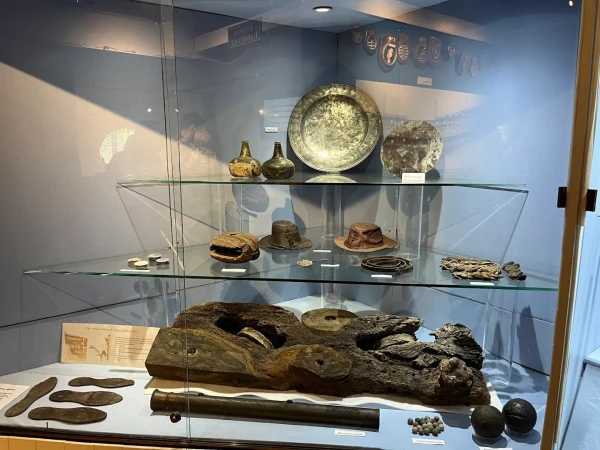
- Heavy Iron Cannonballs: A collection of authentic solid shot ammunition recovered from the mud around the remains of the ship at Pett Level.
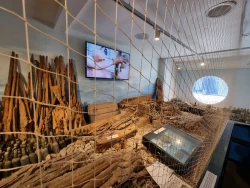
- Structural Oak Timbers: Large, blackened sections of the warship's framework, showing the structural scars of fire and naval combat.
- Shipwright Hand Tools: Iron caulking mallets, adze heads, and simple wood chisels used by naval carpenters to maintain the fleet.
The Historical Diving & Salvage Technology Display
- Siebe Gorman Diving Helmets: Authentic copper and brass "twelve-bolt" deep-sea diving helmets used by local commercial divers during the 19th and 20th centuries.
- Manual Air Pumping Apparatus: A large, wooden-cased dual-cylinder hand pump that required multiple operators on deck to provide air to divers below.
- Underwater Communications Equipment: Early battery-powered diver telephones and heavy copper wire spools used to connect divers with surface ships.
The Hastings Sunken Forest & Coastal Fossil Gallery
- Petrified Oak Stumps: Substantial, rock-hard wood specimens showing preserved bark textures from the 4,000-year-old forest beds situated off the coast.
- Cretaceous Marine Specimens: Local fossilized shark teeth, spiral ammonites, and ancient bivalve shells gathered from the nearby Fairlight cliffs.
- Prehistoric Mammal Remains: Fossilized bone fragments and teeth belonging to ancient bison and woolly mammoths that crossed the channel land bridge.
Channel Maritime Safety & Lifesaving Ephemera
- Historic Lifeboat Relics: Antique cork life vests, structural brass plaques, and official logs from early Hastings lifeboats tracking historic channel rescues.
- Vintage Coastal Maps & Charts: Hand-drawn 19th-century navigation maps highlighting treacherous sandbanks and shipping lanes off the East Sussex shore.
- Siebe Gorman Diving Helmets: Authentic copper and brass "twelve-bolt" deep-sea diving helmets used by local commercial divers during the 19th and 20th centuries.
- Manual Air Pumping Apparatus: A large, wooden-cased dual-cylinder hand pump that required multiple operators on deck to provide air to divers below.
- Underwater Communications Equipment: Early battery-powered diver telephones and heavy copper wire spools used to connect divers with surface ships.
The Hastings Sunken Forest & Coastal Fossil Gallery
- Petrified Oak Stumps: Substantial, rock-hard wood specimens showing preserved bark textures from the 4,000-year-old forest beds situated off the coast.
- Cretaceous Marine Specimens: Local fossilised shark teeth, spiral ammonites, and ancient bivalve shells gathered from the nearby Fairlight cliffs.
- Prehistoric Mammal Remains: Fossilised bone fragments and teeth belonging to ancient bison and woolly mammoths that crossed the channel land bridge.
Channel Maritime Safety & Lifesaving Ephemera
- Historic Lifeboat Relics: Antique cork life vests, structural brass plaques, and official logs from early Hastings lifeboats tracking historic channel rescues.
- Vintage Coastal Maps & Charts: Hand-drawn 19th-century navigation maps highlighting treacherous sandbanks and shipping lanes off the East Sussex shore.
Beyond the Main Attraction
- The Shipwreck Museum sits in a prime location on Rock-a-Nore Road, making it easy to pair your visit with other nearby historic sites:
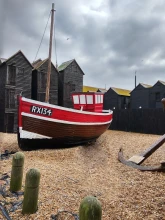
- Hastings Fishermen's Museum: Located directly next door, where families can climb aboard The Enterprise, an original 1912 lugger fishing boat.
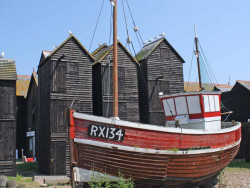
- The Historic Net Shops: Steps away from the museum, you can walk among these iconic tall, black wooden structures built during Tudor times to dry hemp fishing nets.
- The Stade & Fishing Beach: A brief stroll onto the shingle puts you right next to Europe's largest beach-launched fishing fleet, where you can watch the daily catch land.
- The East Hill Lift: Located just around the corner, this is the steepest funicular railway in the United Kingdom, offering a quick, scenic ride up to the clifftop paths of Hastings Country Park.
New for 2026
- The museum has introduced several fresh updates and events for the 2026 coastal season:
- 40th Ruby Anniversary Celebrations: July 29th, 2026, marks exactly 40 years since the museum first opened its doors. Expect special heritage events and community activities running throughout the summer.
- Upgraded Gallery Lighting: The historic Anne Gallery has undergone a complete lighting overhaul, significantly improving visibility over the 17th-century warship's timbers and heavy iron cannonballs.
- Expanded Guided Amsterdam Walks: The museum has launched an updated schedule for its popular guided low-tide beach walks, taking visitors out onto the sand to view the exposed coastal remains of the 1749 Amsterdam merchant ship.
- The Interactive Sonar Lab: A modernised digital mapping station allows kids to use touchscreen technology to navigate 3D sonar scans of hidden English Channel wrecks.














 0.00 miles