International Slavery Museum

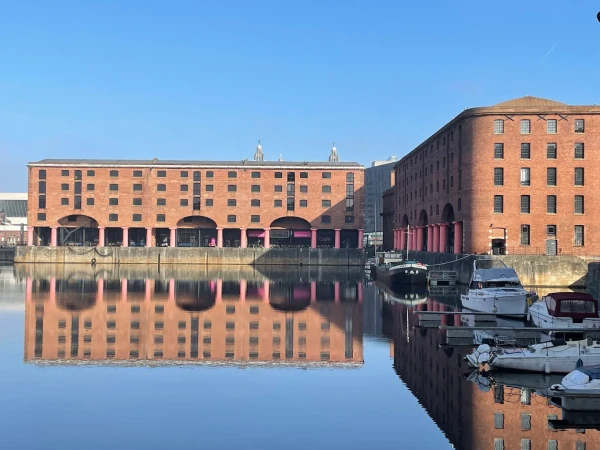
International Slavery Museum, Royal Albert Dock, Liverpool
1-99 Years

Description

The International Slavery Museum is a powerful and thought-provoking attraction located on the third floor of the Maritime Museum at Liverpool's Royal Albert Dock. It explores the history of the transatlantic slave trade and its enduring legacy through deeply moving displays and personal stories. It is widely considered one of the best things to do with kids in Liverpool for families looking for an educational day out that encourages meaningful conversations about human rights and social justice.

General admission to the museum is completely free, making it an accessible and essential stop for any family visiting the waterfront. While there is no cost for entry, the museum provides a world-class learning experience that tackles complex history in a way that is accessible for older children and teenagers.

If you are looking for the best place for a day out with family and kids that combines history, culture, and important life lessons, this museum is an invaluable resource. It provides a dedicated space where families can learn about the rich cultures of West Africa, the realities of enslavement, and the ongoing global fight for freedom and equality.

Features

  • Free
  • Host birthday parties: Yes

Features

Key Features

  • Educational Day Out: The museum provides a deep dive into the historical slave trade, its abolition, and its modern-day legacies.
  • Interactive Exhibits: Touch-screen displays and audio-visual installations help bring personal testimonies and historical facts to life.
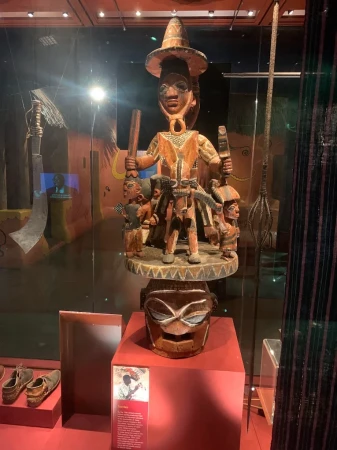
  • Cultural Exploration: Dedicated sections focus on the vibrant history and traditions of West Africa before the arrival of Europeans.
  • Human Rights Focus: A modern gallery explores contemporary issues of freedom, racism, and civil rights movements globally.

Top 5 Highlights

  • Life in West Africa Gallery: This area is a brilliant starting point as it focuses on the rich culture and diverse societies of Africa. Children can learn about traditional music, art, and family life, helping them understand that there is a deep history beyond the story of enslavement.
  • The Middle Passage Displays: This is a more somber section where families can see models of the ships used during the transatlantic voyage. It is designed to help visitors understand the scale and the conditions of the journey in a way that is impactful but handled with great care.
  • Legacy Gallery: This gallery is a favourite for parents as it connects history to the world we live in today. It celebrates the achievements of the African Diaspora and highlights influential figures in the fight for civil rights, sparking inspired conversations with kids.
  • Black Achievers Wall: Located within the museum, this display celebrates famous and unsung heroes of Black British history. It’s an empowering section for children to discover role models from scientists and athletes to activists and musicians.
  • Modern Slavery Collection: This section uses items such as 'anklets' from modern-day Niger to show that slavery is not just a thing of the past. It’s an eye-opening exhibit that helps older children understand the importance of human rights in the 21st century.

Facilities

  • Food & Drink: The Quayside Café on the ground floor of the building serves a range of hot meals and snacks.
  • Picnic Areas: There is an indoor picnic space for families who prefer to bring their own packed lunch.
  • Storage: Lockers are available for a small fee on the ground floor for bags and coats.
  • Accessibility: The museum is fully accessible with lift access to the third floor and buggy parking in the foyer.

Pro-Tips for Parents

  • Age Suitability: While the museum is for everyone, some of the content is very sensitive. It is best suited for children aged 8 and above who can engage with the themes.
  • Take Breaks: The subject matter can be heavy, so it is often a good idea to alternate between the Slavery Museum and the lighter galleries in the Maritime Museum below.
  • Use the Trails: Ask at the information desk for family trails and worksheets that help guide younger visitors through the galleries with age-appropriate questions.

Frequently Asked Questions

  • Is the International Slavery Museum suitable for toddlers? While younger children are welcome, the themes of the museum are quite complex and sensitive. It is generally recommended for children aged 8 and older. However, the Sea Urchins play area on the first floor of the Maritime Museum is a great alternative for younger siblings while older kids explore the third floor.
  • How long does a visit take? A thorough visit usually takes between 1.5 and 2 hours. Many families choose to combine it with the Maritime Museum galleries, making it a 3-4 hour total stay at the Royal Albert Dock.
  • Where is the best place to park for the International Slavery Museum? The Liverpool Waterfront multi-storey car park on Strand Street is a very short walk from the museum. For a slightly cheaper option, the Liverpool ONE Q-Park is about a 10-minute walk away and offers plenty of spaces.
  • Are there cheap indoor activities in Liverpool for kids? Yes, the International Slavery Museum is one of the top free "near me" options in the city. It provides a high-quality, indoor learning environment that is perfect for a rainy day in Liverpool without any entry cost.

The Visitor Verdict: What Parents Really Think
What Visitors Love

  • Free and Essential: Many parents appreciate that such an important educational resource is free to enter, allowing multiple visits.
  • Thoughtful Curation: Families often mention how well the sensitive subject matter is handled, making it educational without being overly distressing for children.
  • West Africa Focus: The inclusion of African culture before slavery is frequently praised for providing a balanced and respectful history.

What Visitors Don't Like

  • Emotional Impact: Some visitors find the experience quite intense, recommending that parents prepare their children for what they will see beforehand.
  • Busy Weekends: Like most Albert Dock attractions, the third floor can get quite crowded on Saturday afternoons.

What to see

Detailed Inventory

  • The 'Am Not I A Man and a Brother' Painting: An iconic 1800s image used by the abolitionist movement.
  • Enslaved People's Shackles: Real historical artefacts that provide a stark, physical connection to the past.
  • Ship Models: Detailed replicas of 18th-century vessels used in the Liverpool slave trade.
  • West African Musical Instruments: Traditional drums and stringed instruments showcasing regional artistry.
  • Abolitionist Pamphlets: Original 18th and 19th-century documents calling for the end of the trade.
  • The 'Freedom' Art Installations: Contemporary artworks that reflect on themes of justice and equality.
  • Bicentenary Medals: Commemorative items from the 2007 anniversary of the Slave Trade Act.
  • Personal Letters: Written accounts from both enslaved individuals and those fighting for abolition.

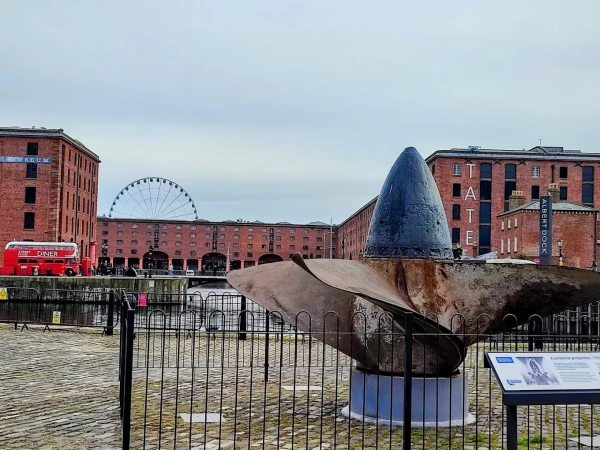
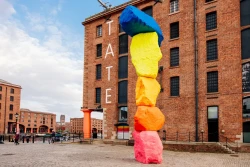
Beyond the Main Attraction: The museum is housed within the Maritime Museum, so you can easily spend a full day exploring maritime history on the lower floors. The Royal Albert Dock is also home to the Tate Liverpool and the Museum of Liverpool, all within walking distance. For a change of pace, the Wheel of Liverpool is nearby, offering great views of the Mersey.
New for 2026: For 2026, the museum has introduced updated digital "Story Stations" that allow visitors to hear newly recovered voices from the archives. These interactive points use immersive audio to tell the stories of individuals who lived in Liverpool during the 18th century, providing a more local and personal perspective on the city's history.

Price

Price: Free

Birthday Parties

Offer Birthday Parties: Yes

Birthday Party Details

The International Slavery Museum does not offer traditional children's birthday party packages. However, the building has various spaces available for private hire and corporate events. For event inquiries, you can contact the team at [email protected].

Temporarily closed.

Address: International Slavery Museum, Royal Albert Dock, Liverpool

Post Code: L3 4AQ

Council: Liverpool

County: Merseyside

  •  
  • By Train: The nearest station is James Street, which is a 5-minute walk away. Liverpool Lime Street is about a 15-minute walk.
  • By Car: Use postcode L3 4AQ. The nearest parking is at the Royal Albert Dock (pay and display) or the Liverpool ONE Q-Park.
  • By Bus: Local bus services and the CityLink bus stop frequently near the Albert Dock.
  •  

5.00

0 Reviews

Rating breakdown

5
80% Complete (danger)
0
4
80% Complete (danger)
0
3
80% Complete (danger)
0
2
80% Complete (danger)
0
1
80% Complete (danger)
0

Get the best blog stories into your inbox!