Description
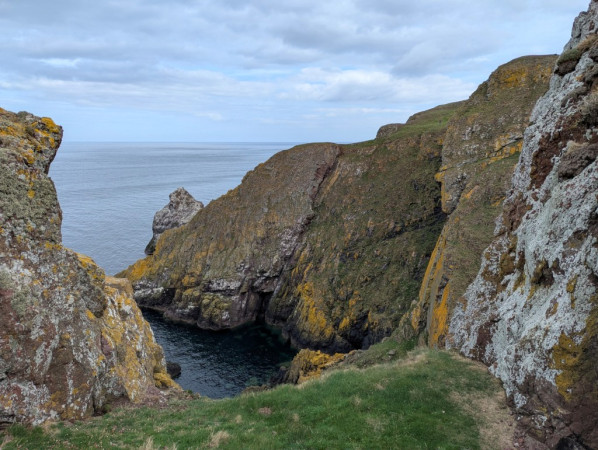
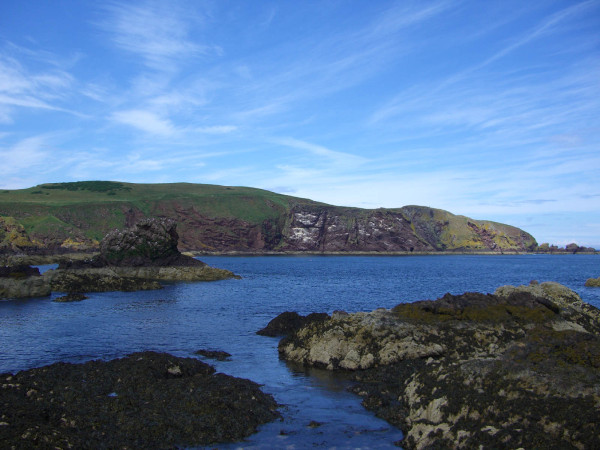
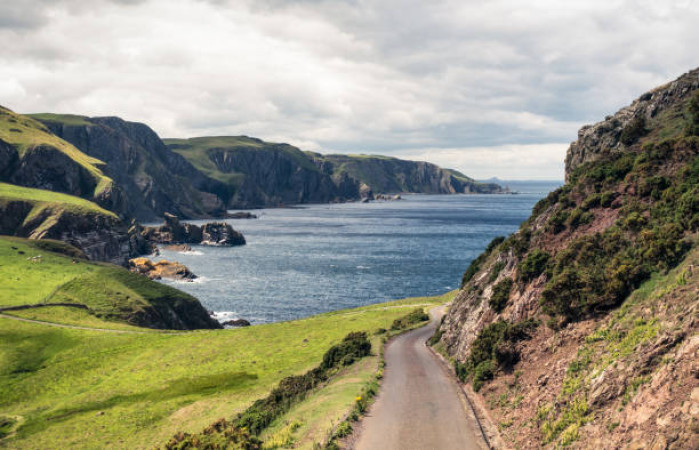
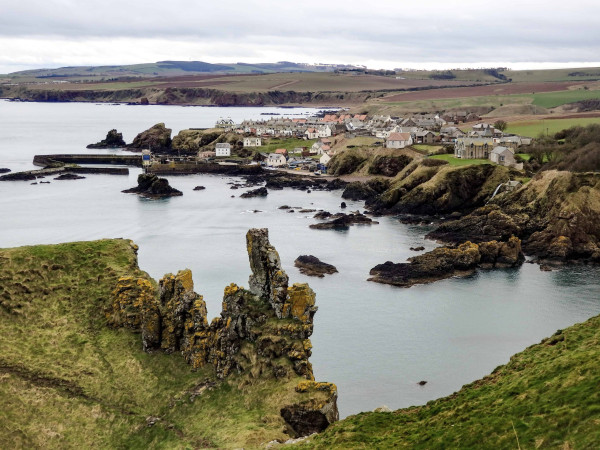
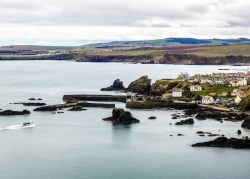
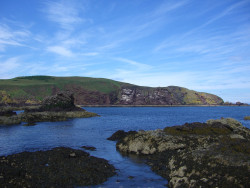
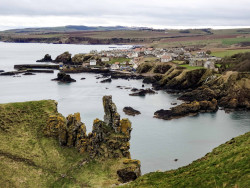
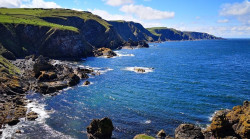
St Abb’s Head National Nature Reserve is a breathtaking coastal reserve known for its dramatic cliffs and abundant wildlife. It offers a truly wild and scenic experience with stunning sea views and rugged landscapes. It’s an ideal destination for nature lovers, walkers, and wildlife enthusiasts.
Visitors can explore cliff-top walking trails like the Discovery Trail and Lighthouse Loop, offering spectacular views of the coastline. The reserve is famous for its large seabird colonies, including guillemots, kittiwakes, and razorbills, especially during nesting season. You can also enjoy wildflower meadows, spot butterflies and marine life, and visit sites of historical interest such as an Iron Age fort, ancient kirk, and lighthouse. Additional highlights include Mire Loch for birdwatching and a Nature Centre to learn more about the area’s wildlife and geology.
Access to the nature reserve is free, though parking costs £5 per day (free for members).
Overall, St Abb’s Head offers a spectacular mix of nature, wildlife, and history. Its dramatic scenery and rich biodiversity make it a memorable outdoor experience. It is one of Scotland’s most impressive coastal destinations.
Features
- Free
- Host birthday parties: No
Features
Breathtaking coastal headland with dramatic cliffs, famed for its seabird colonies
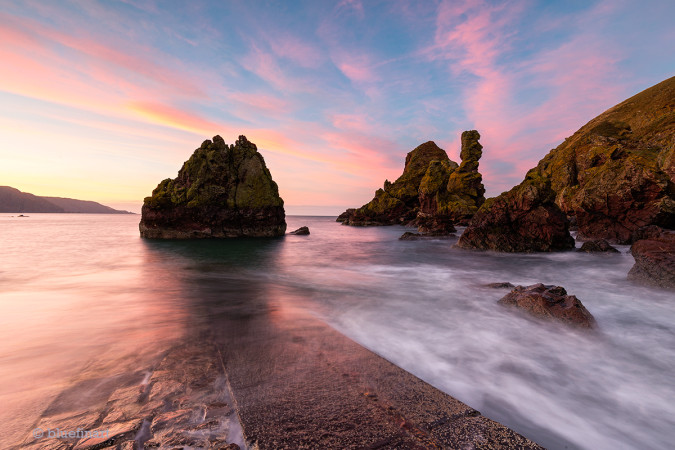
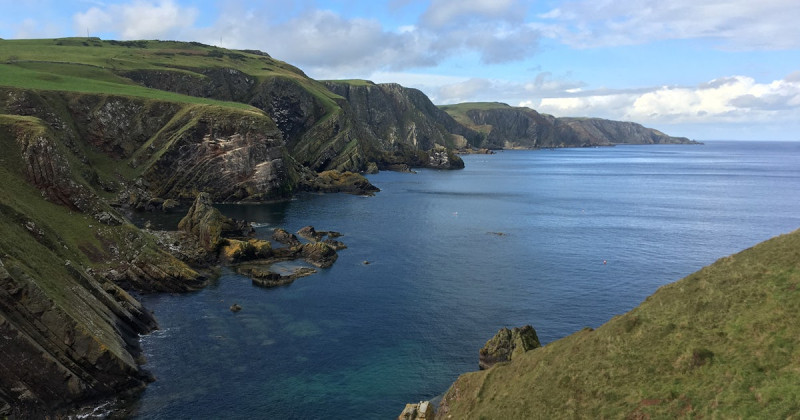
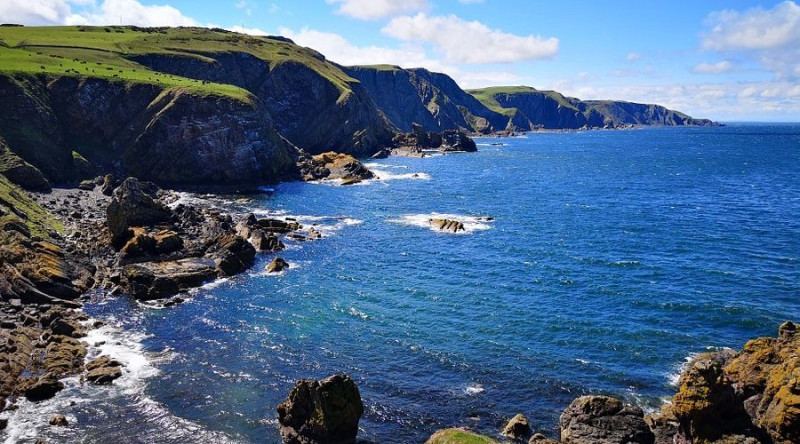
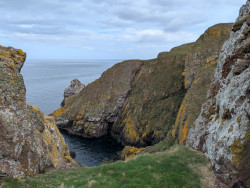
- Natural history: If spectacular seascapes and abundant wildlife tick your boxes, then you’ll not be disappointed here! The rugged Berwickshire coastline at St Abbs has been shaped over millions of years. North and south of the headland, layered greywacke and siltstone rocks were deposited at the bottom of the sea over 400 million years ago, while around the same time St Abb’s Head itself was formed by lava pouring from volcanoes. The soft greywacke and siltstone have been eroded by wind and water over the millennia, but the hard volcanic rock has been more resistant, leaving behind the high headland.
- Seabirds: St Abb’s Head is one of Britain’s more accessible seabird colonies (since it is based on the mainland) and is home to internationally important numbers of guillemots and nationally important numbers of kittiwakes and razorbills. The sheer cliffs, deep gullies and offshore stacks provide the perfect habitat, safe from predators, for the tens of thousands of seabirds that nest here from May to July each year. The cliffs also provide spectacular vantage points from which to watch these seabirds. As well as guillemots, kittiwakes and razorbills, there are shags, herring gulls and fulmars.
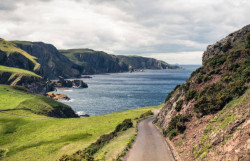
- Walks: The nature reserve is the perfect place for getting away from it all and to blow away those cobwebs. While walkers who like a bit of a challenge will be rewarded, we also have a short accessible path so that people of all abilities can view the cliffs and hopefully some wildlife too. Whatever you’re looking for – birds, plants, butterflies, archaeology, history, scenery or wildness – you’ll find it at St Abb’s Head. We offer three trails for people to explore. Experience the thrill of walking along the coastal path on the Discovery Trail and the extended Lighthouse Loop.
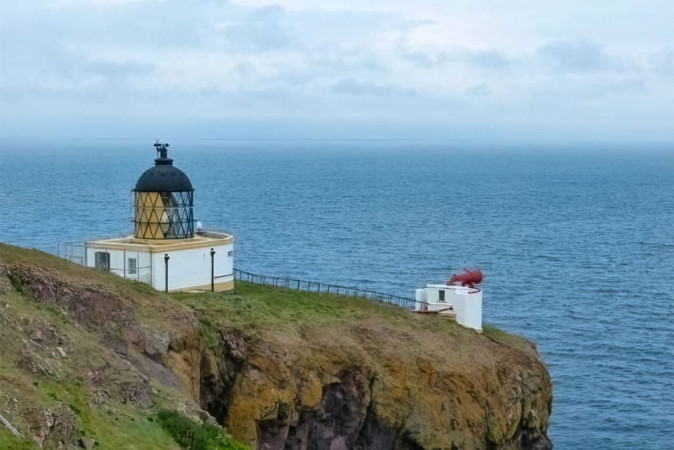
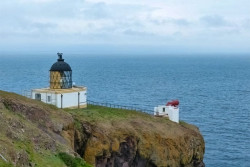
- Cultural history: The story of St Abb’s Head stretches back to prehistoric times. Traces of an Iron Age fort hint at the long history of human settlement here, as do the remains of an 11th-century kirk and burial ground dedicated to Aebbe, a 7th-century Northumbrian princess. Aebbe, after whom the headland and village are named, was sainted for spreading Christianity through this previously pagan land. More recently, a Stevenson-designed lighthouse was built in 1862. Originally powered by coal and oil, it was the first lighthouse in Scotland to have a fog horn (now silent).
- Conservation: The outstanding landscape at St Abb’s Head is one of the most designated heritage sites in the UK – a real jewel in Scotland’s crown. Our rangers work tirelessly to conserve the natural and cultural heritage here on the National Nature Reserve. An important part of our work is wildlife monitoring, which tells us how the wildlife on the reserve is faring. By comparing our results to those gathered in other areas means that we have an idea of whether trends we see are site-specific or on a larger scale.


 4.66 miles