Description
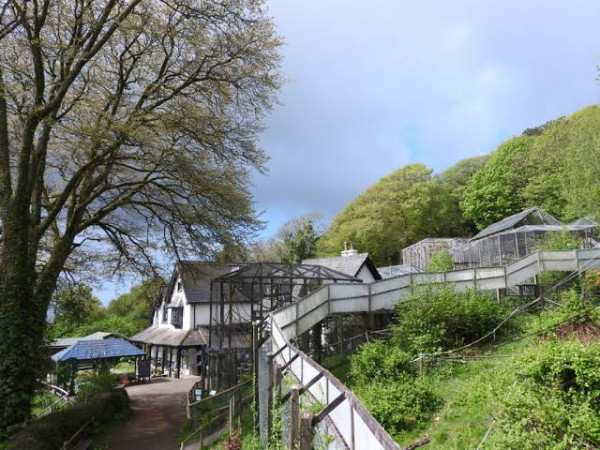
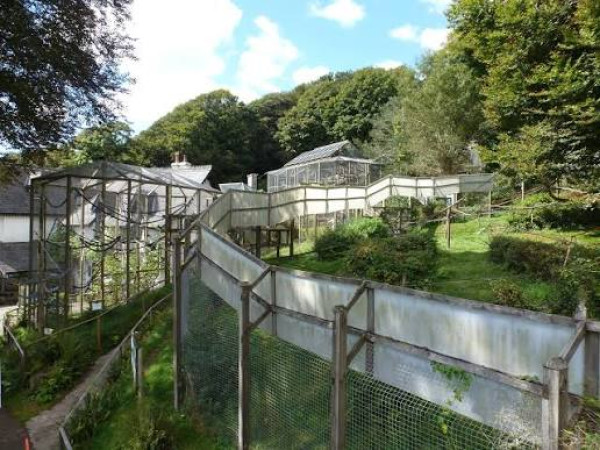
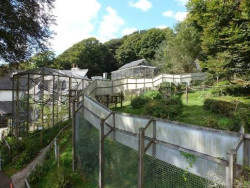
Wild Futures Monkey Sanctuary, located on the south coast of Cornwall, was a long-standing haven for rescued primates. It offered visitors an intimate look at the care and conservation of monkeys saved from the pet trade and abusive situations. The site featured expansive woodland enclosures and a dedicated team of expert carers who shared insights into the lives of the resident primates.
Please be advised that Wild Futures has made the difficult decision to permanently close The Monkey Sanctuary. Following financial pressures, structural issues, and a last-minute withdrawal of a prospective site buyer, the charity is actively rehoming the monkeys to carefully selected partner sanctuaries. Consequently, the site is permanently closed and no longer open to the public for visits.
If you are looking to support their ongoing charitable mission or learn more about primate welfare, please visit the official Wild Futures website. The organization remains fully committed to its core educational, advocacy, and conservation work protecting primates worldwide.
Features
- Free
- Host birthday parties: Yes
Features
Key Features
- Primate Advocacy & Welfare: Continued campaigning for legislative change to end the private primate pet trade.
- Educational Resources: Digital guides and updates detailing decades of rescue work and environmental education.
- Charitable Support Programs: Ongoing opportunities for supporters to stay engaged via the charity's official portal.
- Conservation Initiatives: Support for international projects protecting non-human primates in their natural habitats.
Looking Back at Top Highlights
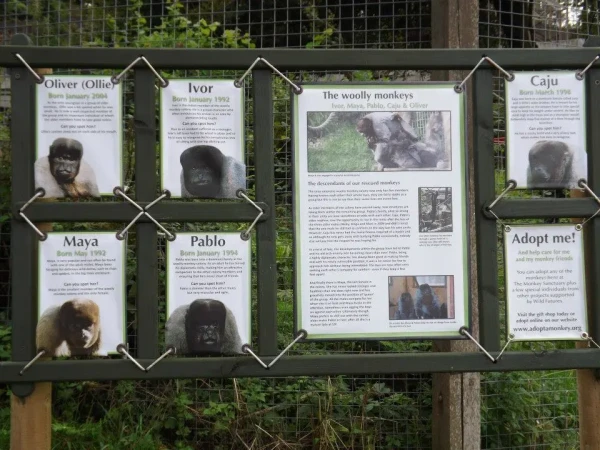
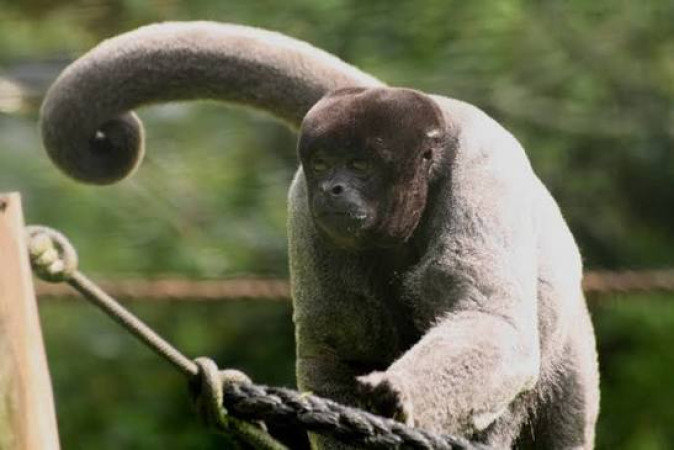
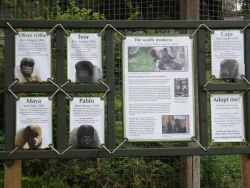
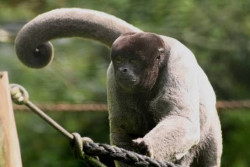
- The Woolly Monkey Enclosures: Home to descendants of the sanctuary's original rescue groups, these spaces allowed visitors to see intelligent social dynamics up close. They showcased specialized enrichment techniques designed to support recovering animals.
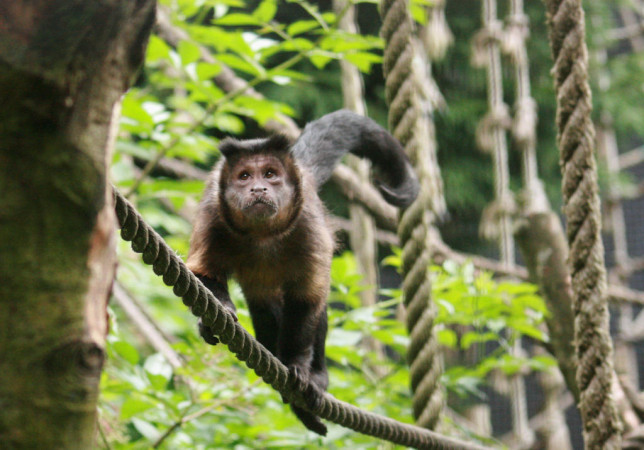
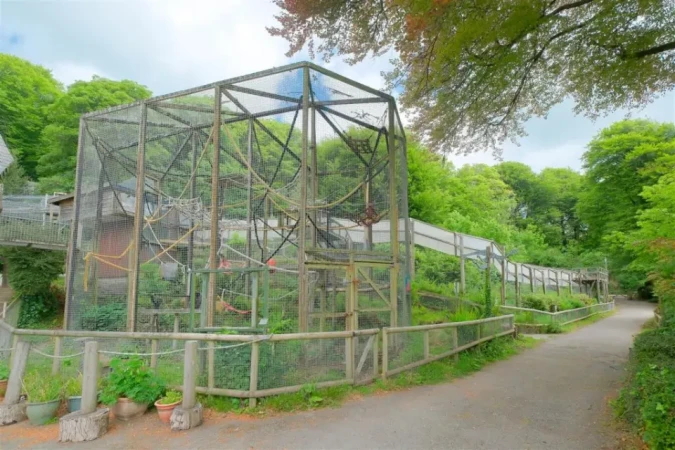
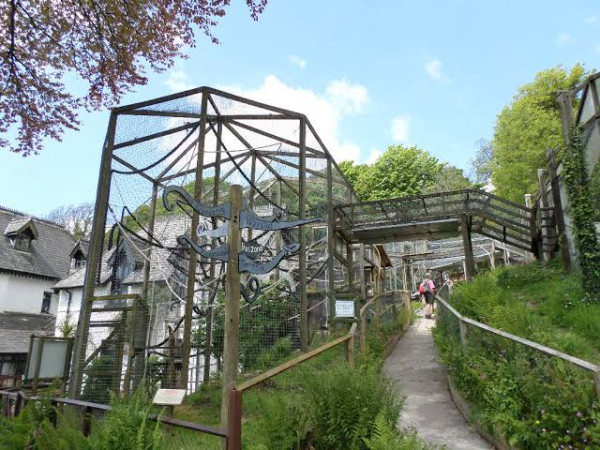
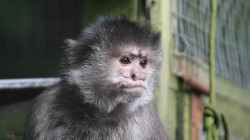
- Capuchin Woodland Habitats: Designed with natural ropes and trees, these leafy enclosures gave rescued capuchins space to forage and climb. They provided an educational view into individual rescue stories from the UK pet trade.
- The Visitor Centre and Exhibition Rooms: Packed with interactive displays, these rooms taught families about the illegal wildlife trade. Children and adults could learn why wild animals do not make suitable domestic pets.
- The Wildlife Gardens: Planted specifically to attract local biodiversity, these peaceful gardens offered quiet zones for families. They highlighted how British wildlife coexists alongside the sanctuary grounds.
- Guided Caretaker Talks: Expert staff previously delivered daily educational talks at key viewing windows. These sessions were popular for explaining the complex behavioral rehabilitation required for rescued primates.
Beyond the Main Attraction
- Looe Coastal Town: Explore the nearby historic fishing port featuring independent shops and traditional Cornish eateries.
- South West Coast Path: Access scenic walking trails along the dramatic south Cornish coastline near Seaton and Looe.
- Kilminorth Woods: A local nature reserve offering tranquil woodland walks alongside the West Looe River.
- Polperro Heritage Coast: A short drive away for scenic viewpoints, hidden coves, and family-friendly exploration.
What Visitors Loved:
- The deep passion, dedication, and expert knowledge demonstrated by the animal care staff.
- The intimate, highly educational nature of the guided talks and tours.
- The beautiful, tranquil coastal setting nestled into the Cornish hills.
- The clear focus on animal welfare and ethical rescue stories rather than commercial entertainment.
What Visitors Don't Like:
- The steep, hilly nature of the grounds, which could make walking challenging for visitors with pushchairs or mobility issues.
- Limited public transport links to the immediate rural location, requiring car travel.
- Seasonal visitor restrictions that previously limited access during winter months.
Attractions & Historical Exhibits
- Woolly Monkey Habitat: Specialized enclosures for the sanctuary's founding species.
- Capuchin Safe Havens: Wooded areas housing capuchins rescued from the British pet trade.
- Marmoset Enclosures: Intimate spaces tailored for smaller primate species.
- Macaque Group Area: Enclosures housing a small group of rescued macaques.
- The Cellar Bat Colony: A protected natural roost for rare lesser horseshoe bats beneath Murrayton House.
New for 2026
- Primate Rehoming Transition: The primary focus for 2026 is the safe, coordinated relocation of all resident monkeys to vetted specialist partner organizations.
- Emergency Welfare Appeal: Launch of targeted fundraising to cover specialized transport and ongoing care costs during the transition.
- Digital Campaign Hub: Expanded online resources focusing entirely on advocacy, educational outreach, and ending the primate pet trade.











 11.62 miles