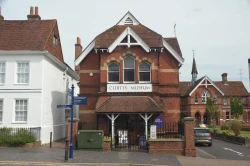
Basing House

Barton's Lane, Old Basing, Basingstoke, Hampshire, RG24 8AE, England
1-90 Years
Paid

Description

Basing House is a nationally important historic site near Basingstoke, set within the ruins and grounds of what was once the largest private house in Tudor England. The site tells the dramatic story of power, wealth, and destruction, most famously its role in the English Civil War and its downfall at the hands of Oliver Cromwell. Today, Basing House is a peaceful heritage attraction combining ruins, green spaces, and exhibitions, suitable for families, history lovers, and walkers.

Visitors begin at the Visitor Centre, which introduces the long history of Basing House, before exploring the 14 acres of grounds. Key highlights include the battle-scarred Great Barn (built in 1535), the remains of the medieval castle ringwork, original fishponds, and the ruins of the main Tudor and Jacobean house. Other attractions include the Basing House Museum, the Jacobean walled garden, viewing platforms with views over Basingstoke, the Basing Mouse children’s activity trail, picnic areas, dog-friendly walking routes, and volunteer-led walking tours held weekly during the open season. 

Admission prices are £11.00 for adults, £10.00 for concessions, and £8.00 for children aged 5–15, with children under 5 entering free. A family ticket (up to 5 people, maximum 2 adults) costs £36.75, offering good value for larger families.

Basing House offers a calm yet fascinating day out where visitors can explore history at their own pace. The combination of dramatic ruins, open green spaces, and hands-on learning makes it engaging for both adults and children. Whether you are interested in Tudor life, the Civil War, or simply enjoying a scenic walk with historical depth, Basing House is a rewarding and memorable place to visit.

Features

  • Paid
  • Host birthday parties: No

Features

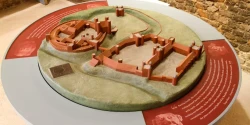
  • Basing House: Basing House today is a collection of banks and ditches, cellars and broken walls, with only the occasional surviving structure, such as the majestic Great Barn. The huge circular bank, or ringwork, and defensive ditches are all that remain of the castle built in the 1100s by the de Port family, who arrived with William the Conqueror in the Norman invasion of 1066. It was on top of these castle remains that Sir William Paulet, the first Marquess of Winchester and Lord Treasurer of England, chose to build his new house in 1535.
  • A once great house: Sir William succeeded in creating a fabulous castellated residence using his vast fortune amassed from a long life of service to the crown. He poured much of this into the expansion and elaboration of the property, which was said to be “larger than most of the King’s Palaces”. Sadly, in later years, the Paulets were unable to maintain this extravagant lifestyle and were forced to abandon areas of the house.
  • The English Civil War: When the English Civil War broke out in 1642, England was divided between the Royalist and often Catholic supporters of King Charles I and those who favoured a more powerful Parliament, mainly Protestants. At this time, Basing House was owned by John Paulet, the fifth Marquess of Winchester. He lived up to his family motto Aymez Loyaulte (Love Loyalty) and supported the king. There followed three chaotic years of intermittent fighting.
  • Under siege: Basing House was attacked by Parliamentary troops on three occasions. The final assault came in August 1645 when 800 men took up position around the walls. The garrison held out, despite further reinforcements to the attacking force, until Oliver Cromwell himself arrived with heavy artillery. By 13 October 1645, the walls of the house had been breached, Cromwell stormed the site and left it a burning ruin. Today, all that remains are the foundations of this once great property.
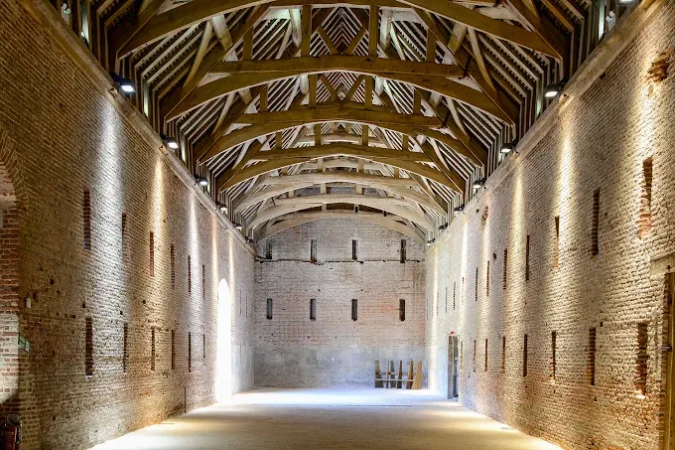
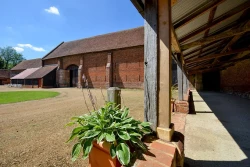
  • The Great Barn: Standing on the south side of the river Loddon was The Grange, a once bustling centre of food processing and storage for Basing House. The only visible surviving features are the Great Barn and fishponds. The Great Barn was built from over a million bricks and tiles and has a magnificent roof frame of quality oak.
  • Walled garden: No stately home would be complete without its formal gardens, a place for relaxation and entertainment and also a source of plants used in medicine. The walled garden reflects the final phase of Basing House as a great residence in the Jacobean period, 1600-1625. 
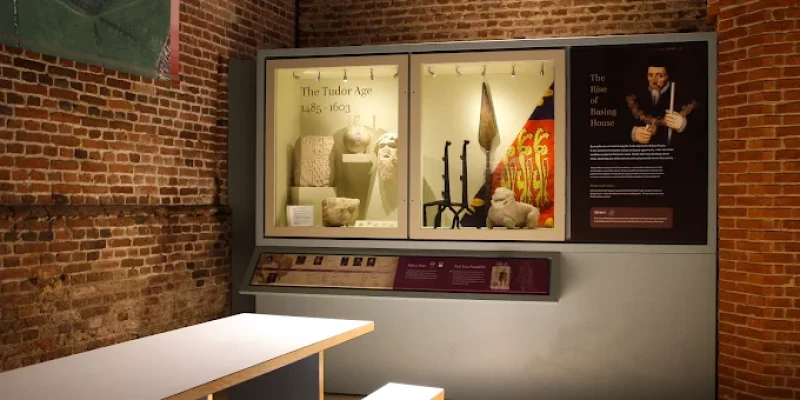
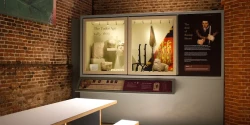
  • Museum: Basing House museum is situated in the walled garden area of the Basing House grounds and covers all aspects of its history, from Saxon times to the present day. The museum focuses particularly on the archaeology of Basing House, life at the house in its Tudor and Elizabethan heyday, the Civil War and eventual downfall of this once great house.

Facilities

  • Parking: Parking available. 
  • Food & Drinks: Snacks and refreshments are available at the visitor centre. Get 30p off your next hot drink when you bring your own reusable cup! 
  • Picnic: Picnics are welcome – there is plenty of space throughout the site to spread a rug and picnic benches are also available for you to use.
  • Toilets: Toilet with baby changing available. 

What to see

  • Discover the Great Barn and spot the artillery damage still visible on its walls
  • Explore the ruins and imagine what the house would have looked like from the viewing platforms
  • Visit the walled garden and learn about Basing House’s fascinating history in the museum
  • Walk your dog or find a picnic spot and enjoy the peace and tranquility of the vast grounds
  • Have a coffee or ice cream in the visitor centre.
  • Enjoy a walking tour with a volunteer guide each Wednesday (weather permitting) at 1.30pm

Price

Price: Paid

Price Details

  • Adult: £11.00
  • Child (5-15 years): £8.00
  • Under 5s: Free
  • Concessions: £10.00
  • Family ticket (up to 5 people, max. 2 adults): £36.75

Pricing URL: https://www.hampshireculture.org.uk/basing-house

Birthday Parties

Offer Birthday Parties: No

Please note that Basing House is now closed to the public until Spring 2026.

Address: Barton's Lane, Old Basing, Basingstoke, Hampshire, RG24 8AE, England

Post Code: RG24 8AE

Council: Basingstoke and Dean

County: Hampshire

  • By car: follow the brown signs to Basing House car park which is off Barton's Lane near the Millstone public house. Satnavs use postcode RG24 8AE. Please note there is no parking, except accessible parking, directly outside the visitor centre and we ask that our visitors do not park in the village.
  • By bus: take the No.10 bus from Basingstoke Bus Station to Park Lane/A30 junction, which takes approximately five minutes, then cross Basingstoke Common to Redbridge Lane. Go over the humpback bridge, turn left at the junction into Basing Road and right on to the footpath at the bridge over the River Loddon.
  • By rail: Basingstoke station is on the main network rail route to the south west, approximately 45 minutes from London Waterloo 
  • On foot: from Basingstoke railway station, follow the Basing Trail which passes through Eastrop Park. The route is on flat or nearly flat terrain and takes approximately 40 minutes at a steady pace. Information panels are located at intervals along the route. The first panel is opposite the main entrance to the station. 

5

0 Reviews

Rating breakdown

5
80% Complete (danger)
0
4
80% Complete (danger)
0
3
80% Complete (danger)
0
2
80% Complete (danger)
0
1
80% Complete (danger)
0

More Day Outs in Basingstoke and Deane

Get the best blog stories into your inbox!