St Briavels Castle

Description

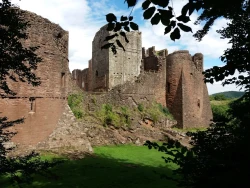
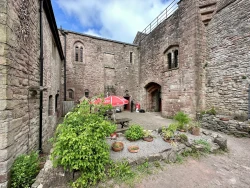
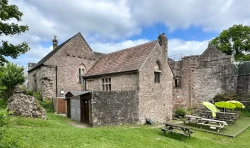
St Briavels Castle built in the early 12th century, St Briavel’s was an important royal castle on the frontier with Wales and the administrative and judicial centre of the Forest of Dean – a royal hunting ground where the game was protected and the king alone allowed to hunt.

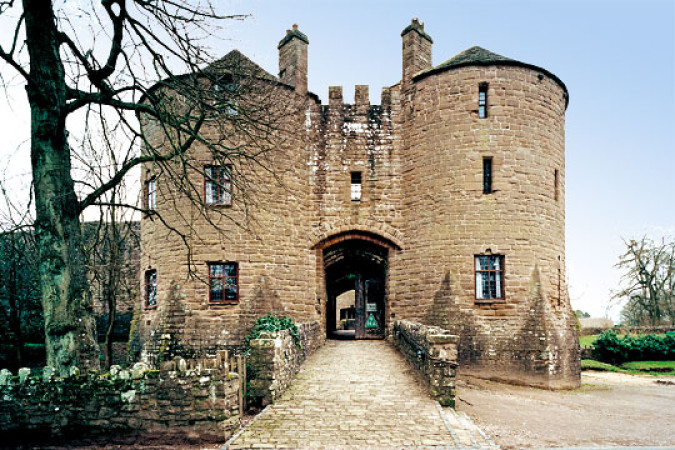
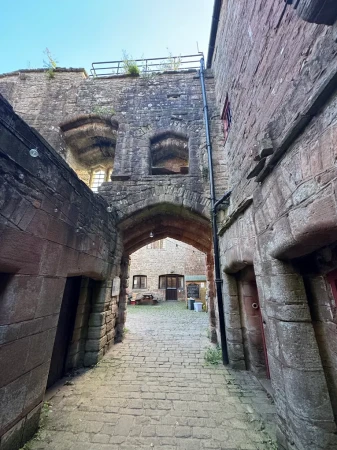
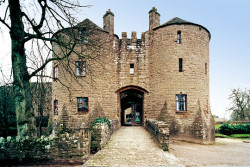
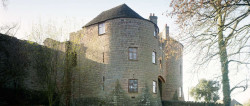
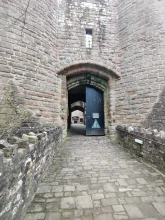
Edward I added a fine twin-towered gatehouse to St Briavel's in 1292. During his reign the castle was a crossbow bolt factory, using local Forest of Dean iron to produce weapons for his campaigns against the Welsh and Scots. After the conquest of Wales the gatehouse became a debtor's prison, and the castle is now a youth hostel, set in wonderful walking country. 

Free Entry. If you are looking for Best place for day out with kids and families then this is the perfect destination offering fun, adventure, and unforgettable memories for everyone.

Features

  • Free
  • Host birthday parties: No

Features

  • History of St Briavel’s Castle: St Briavel’s was an important royal castle on the frontier with Wales and the administrative and judicial centre of the Forest of Dean. Built in the early 12th century, it was the residence of the warden of the Forest of Dean – a royal hunting ground where the game was protected and the king alone allowed to hunt.
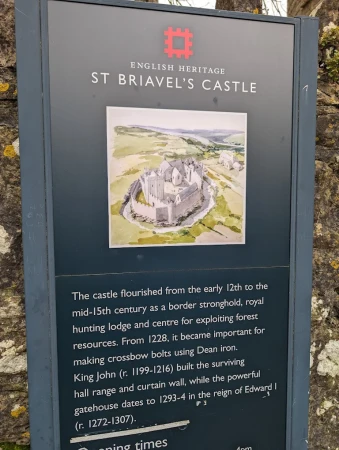
  • Early History: The castle was in royal possession by the 1160s and was rebuilt, with the small but impressive keep, by Henry II (r.1154–89). The Forest of Dean was important for another reason – it was one of the centres of the medieval iron industry, small scale by present day standards but a vital source of supply for the manufacture of weapons, especially crossbow bolts. The crossbow was the favourite weapon of the mercenaries who were employed in considerable numbers by Henry’s son, King John (r.1199–1216), who built a new hall (now vanished) and an elaborate chamber block at St Briavel’s.
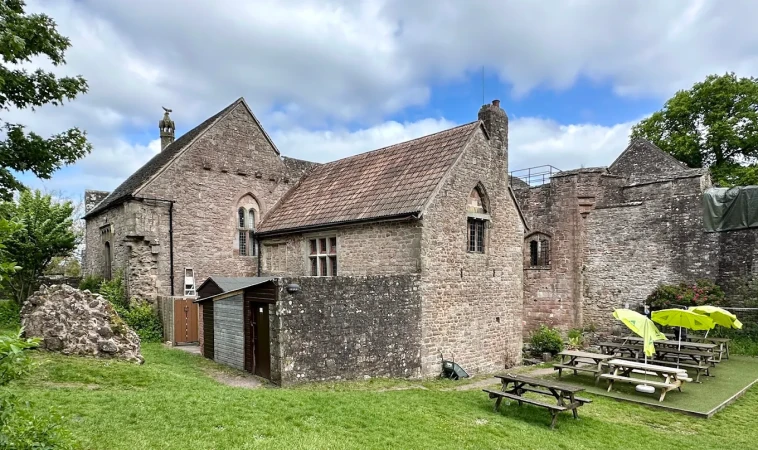
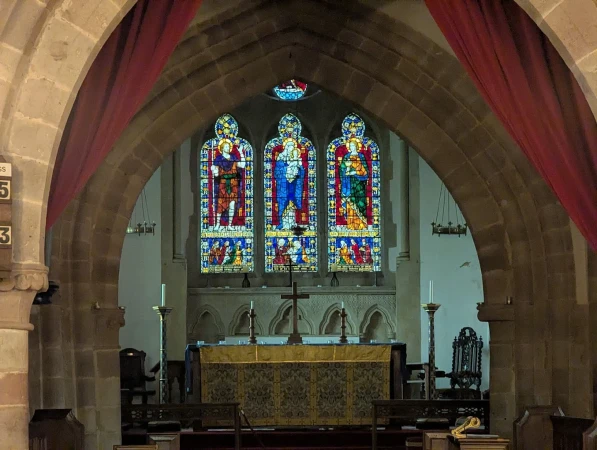
  • In spite of this, John only visited St Briavel’s five times in the course of seventeen years, staying no more than eleven days altogether. John’s son, Henry III, also visited the castle from time to time, adding a small chapel to his father’s house. By this time the castle was functioning more as an administrative headquarters and workshop than a stronghold.
  • Forest Prison: The gatehouse became a prison where those accused of committing offences within the forest area were held while awaiting trial.
  • A number of prisoners’ inscriptions remain which testify to the unwholesomeness of the gaol but the legend that criminals were hanged from the battlements seems unlikely. Fines were a far more profitable form of punishment – or mutilation, which served as a public reminder of the consequences of breaking the king’s law.
  • Later History: The keep collapsed in 1752, by which time the great hall had also been demolished, and the east tower collapsed in 1777 destroying the adjoining buildings.
  • The castle was still being used as a debtors’ prison until 1842. After centuries of neglect and decay, the surviving buildings were restored and rendered habitable at the turn of the 20th century.
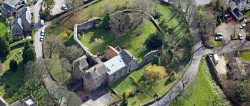
  • Description: The castle lies on the edge of a steep scarp above the river Wye. Its irregular plan has led to the suggestion that it lies on the site of an earlier earthwork – perhaps a Norman ‘motte and bailey’ arrangement. By the later 12th century, a square stone keep, said to have been over 100 feet (30 metres) high, was built on top of the castle motte and in the 13th century a curtain wall was added, enclosing an area of 1.5 acres (0.61 hectares).
  • Other alterations included the construction of a two-storey domestic range, thought to have been the ‘royal apartments’ mentioned in documents of 1227.

Facilities

  • Parking: Very limited free parking is available to the right of the entrance ramp.
  • Toilets: Toilets and refreshments are available to visitors during opening hours.
  • Dogs: Assistance dogs only.

Price

Price: Free

Birthday Parties

Offer Birthday Parties: No

The moat area is accessible any reasonable time during daylight hours.

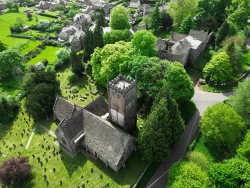
Address: Church Street, Saint Briavels, Lydney, UK

Post Code: GL15 6TA

Council: Forest of Dean

County: Gloucestershire

  • Road Access: In St Briavels; 7 miles north-east of Chepstow off B4228.
  • Bus Access: Forest Community Transport service 701 or 707 (Tue, Thu, Fri only) and Geoff Willetts Coaches Monday service 787.
  • Train Access: Chepstow 8 miles.
  • Bicycle Access: Find this site on The National Cycle Network.
  • Parking: Very limited free parking is available to the right of the entrance ramp.

0

0 Reviews

Rating breakdown

5
80% Complete (danger)
0
4
80% Complete (danger)
0
3
80% Complete (danger)
0
2
80% Complete (danger)
0
1
80% Complete (danger)
0

Get the best blog stories into your inbox!