Description
Planning the best things to do with kids in Greenwich brings you to Greenwich Peninsula Ecology Park, a stunning four-acre urban wetland set along the Thames Path. Home to a diverse range of wildlife, this protected nature reserve combines freshwater lakes, reed beds, and wildflower meadows to create a peaceful haven for local animals and families alike. Visitors can spend hours spotting dragonflies, feeding wetland birds, and exploring timber boardwalks.
Admission to the ecology park is completely free for all visitors, making it an exceptionally budget-friendly destination for families seeking an outdoor nature escape. There are no entry fees or hidden ticket costs required to access the main reserve during regular opening hours.
If you are looking for the best place for a day out with family and kids that pairs environmental education with tranquil nature walks, this reserve offers brilliant value. Its mix of bird hides, dipping ponds, and central London positioning makes it a top choice for a relaxing afternoon outdoors.
Beyond the Main Attraction:
- Thames Path: A scenic riverside walking and cycling route running right past the park entrance.
- Greenwich Peninsula Golf Driving Range: A nearby modern sports and entertainment facility.
- The O2 Arena Area: A bustling entertainment district offering restaurants, retail outlets, and cable car rides a short walk away.
What Visitors Love:
- Families frequently praise the serene, natural atmosphere that feels miles away from the bustling city center.
- The free admission makes it an affordable and stress-free destination for a quick weekend family walk.
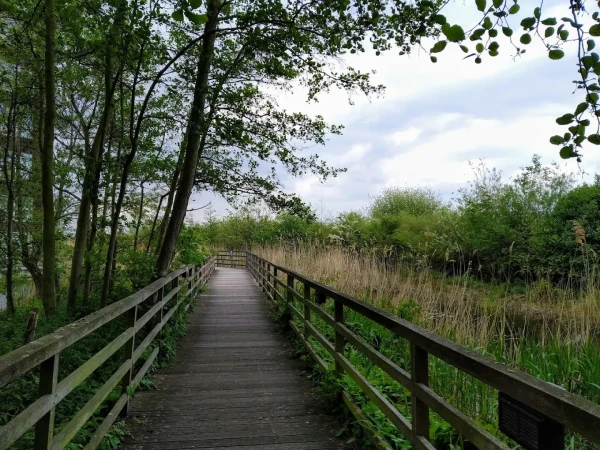
- Children thoroughly enjoy spotting frogs, dragonflies, and various water birds from the safety of the wooden boardwalks.
- The compact park size is ideal for toddlers with shorter legs who might struggle on massive hiking trails.
What Visitors Don't Like:
- Some reviews note that restricted opening days (closed Mondays and Tuesdays) require careful planning before visiting.
- The narrow boardwalk sections can occasionally make passing other pushchairs tricky during busy periods.
- A few guests mention that on-site parking is unavailable directly at the gate, requiring visitors to use nearby public car parks.
- Limited food options inside the immediate reserve mean families need to walk further toward the main peninsula for extensive dining choices.
Park Attractions and Habitats:
- Freshwater Lakes: Two water bodies filled via an underground chalk borehole.
- East Bird Hide: Quiet indoor viewing shelter overlooking the main water habitat.
- West Bird Hide: Secondary observation post for tracking seasonal birds.
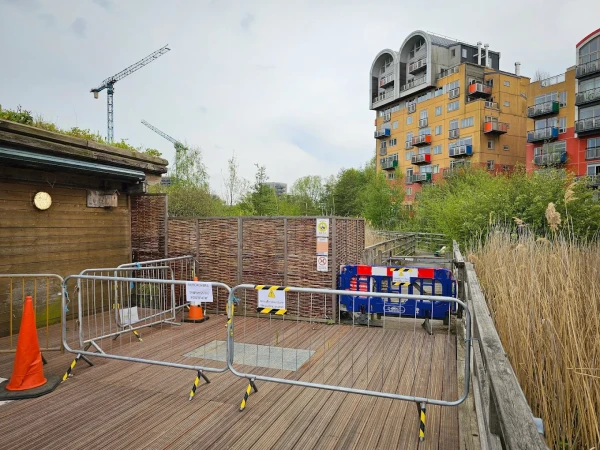
- Marshland Boardwalks: Elevated pathways winding through reed beds and alder carr.
- Wildflower Meadow Trails: Open grassy areas rich in pollinators and native plants.
- The Mary Mills Classroom: Educational facility used for school visits and family workshops.
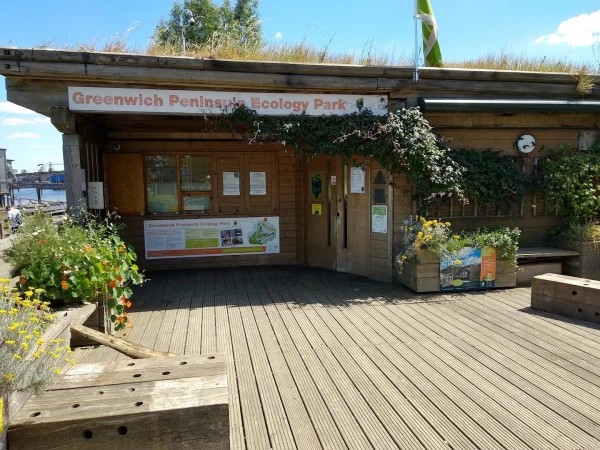
- Gatehouse Reception: Information hub with maps and wildlife checklists.
- Shingle Beach Areas: Specialized shoreline habitats designed for nesting invertebrates and birds.
- Willow Carr Woodlands: Mature tree zones helping remediate the historic industrial soil.
- Family Discovery Days: Periodic weekend events featuring guided nature trails and bug hunting.
New for 2026:
- Digital Wildlife Spotting Guides: Upgraded interactive mobile guides help families identify seasonal birds, wetland plants, and insects across the reserve.
- Enhanced Boardwalk Accessibility Ramps: Newly improved timber entry ramps ensure smoother pushchair and wheelchair navigation across the inner wetland paths.
- Expanded Community Conservation Plots: Newly planted native wildflower zones provide increased foraging grounds for local bees and butterflies.











 2.15 miles